

Photo 1 of 1
Galicia Tour
Or pick the individual days and attractions below — mix them with other inspirations from anywhere on the site.
Join us for on an unforgettable 11-day journey through the magical region of Old Galicia, where history, culture, and the breathtaking Carpathian landscapes come together. This adventure takes you from the grandeur of royal palaces to the charm of traditional highland villages, uncovering the authentic beauty of southern and southeastern Poland.
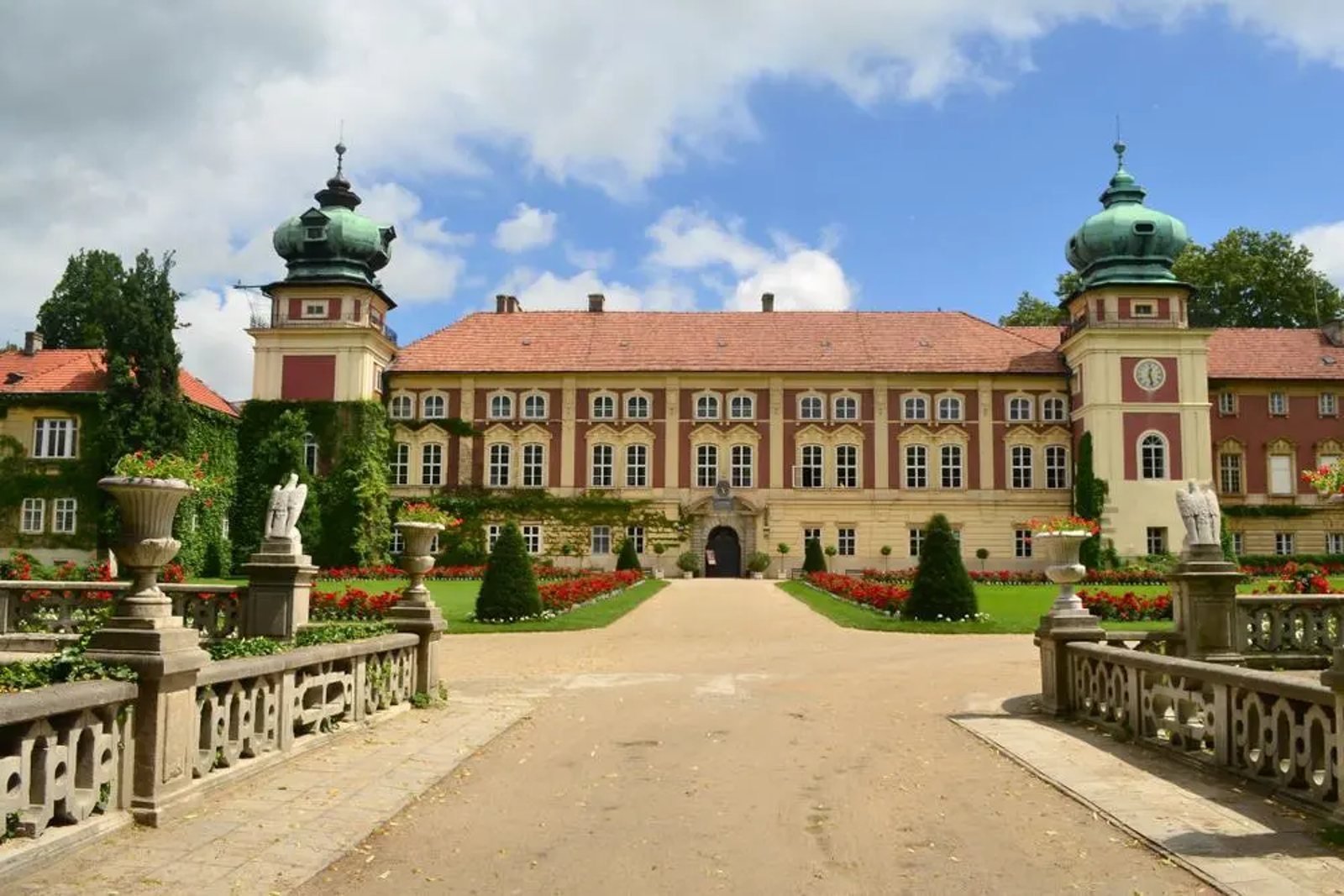
Your journey begins in Kraków before heading to Krosno, the “City of Glass.” On Your Ancestors Day, we’ll visit Sanok, home to Poland’s largest open-air museum, where you can step back in time and experience the lives of our ancestors. That evening, enjoy an old-style country party with music and dance with a local folk group. Next, on Nobility Day, we’ll explore the magnificent Łańcut Castle, a stunning example of aristocratic elegance, and visit a traditional nobleman’s manor house to get a glimpse of life in old Poland.
As we journey through the stunning Carpathians, we’ll visit the “Carpathian Troy” Museum, which shares a fascinating 3,500-year-old story. From there, we continue to Zakopane, the vibrant heart of Poland’s Tatra Mountains. Immerse yourself in highlander traditions, take in breathtaking views, and enjoy a delicious dinner with lively local music. This part of the adventure wraps up with a serene raft ride on Czorsztyn Lake and a visit to the enchanting medieval Niedzica Castle.
Back in Kraków, we’ll uncover the city’s rich history with visits to Wawel Castle, the vibrant Jewish district of Kazimierz, and the underground museum beneath the Main Square, where medieval secrets await. On the final day, explore the quite recent communist-era history of Nowa Huta and the moving exhibits at the Schindler Museum.
This is an example journey from a previous guest — not a group tour. There are no fixed dates or prices: take it as it is, or use it as a starting point and we'll build your trip around you.
Tour Itinerary
Explore our day-by-day journey through Poland's most captivating destinations. Each day is thoughtfully crafted to provide an immersive cultural experience.
You can add individual days or single attractions to your journey from here, mix them with other inspirations, and reorder everything to taste.
Day 1: Meeting in Kraków and Travel to Krosno
Your journey begins in Kraków, where you’ll be picked up from the airport or your hotel if you arrive earlier. From there, you’ll travel to the charming town of Krosno. After checking in at an elegant hotel that once was a palace, you’ll have time to relax and unwind.
Day 2: The Lives of Our Ancestors - Sanok and Galician Traditions
2 attractions to visit
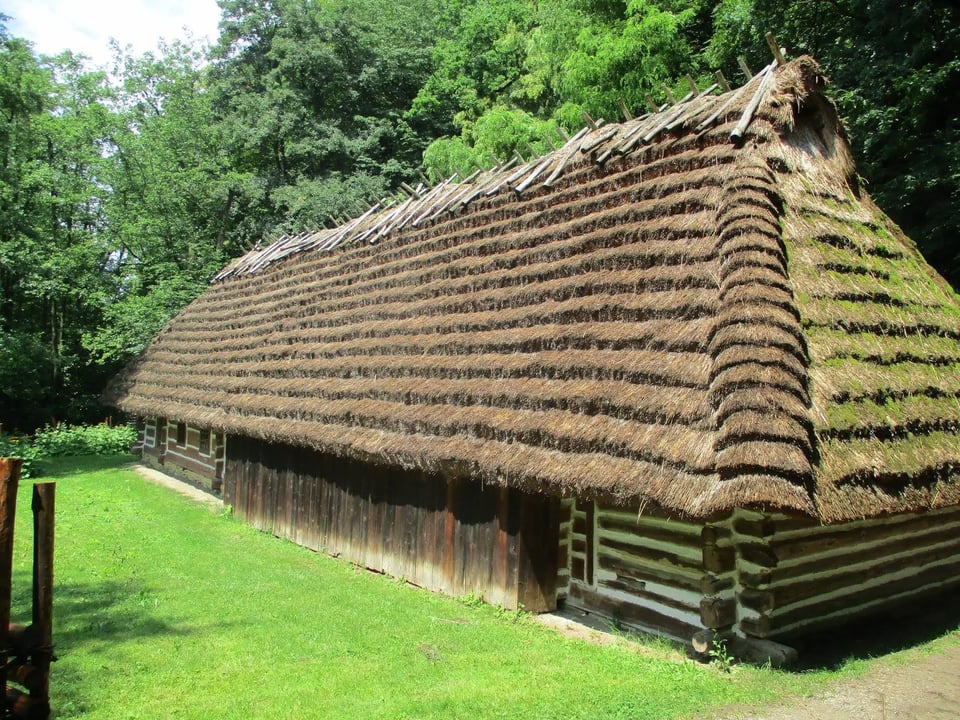
On this day, we’ll explore the Open-Air Museum in Sanok, Poland’s largest ethnographic museum. Step back in time to the world of traditional Galician villages and towns and discover how our ancestors lived. Later, we’ll visit Sanok’s charming historic market square and end the day with an evening of lively folk music and traditional dances.
Places you'll visit
Open-Air Museum in Sanok
The Open-Air Museum in Sanok is one of the largest ethnographic parks in Poland and one of the most important museums dedicated to traditional rural culture in Central Europe.
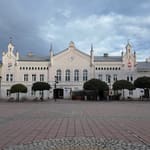
Sanok Market Square
The historic market square in Sanok reflects the long history of this small town located near the foothills of the Carpathian Mountains. Sanok developed as a regional administrative and trade center during the Middle Ages, particularly after receiving town rights under Polish rule in the 14th century.
Day 3: The Nobility Day - Łańcut Castle and a Manor House
3 attractions to visit
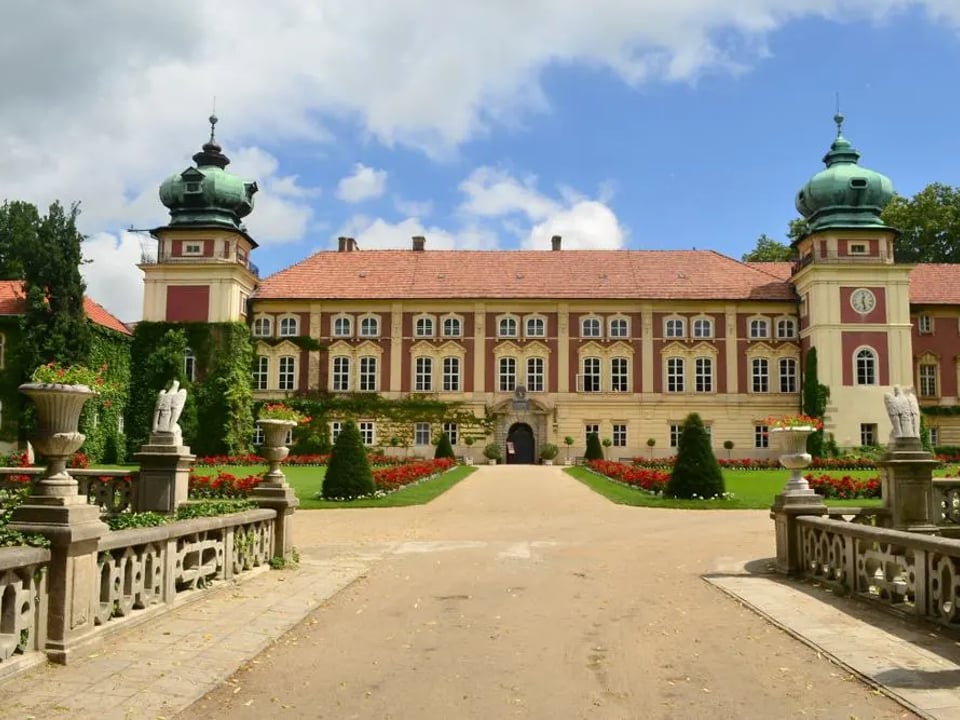
We’ll start the day with a visit to Łańcut Castle, an impressive residence surrounded by beautiful gardens. Next, we’ll go to the synagogue in Łańcut, a testament to Galicia’s multicultural heritage. In the afternoon, we’ll explore a private museum of noble culture in Kopytowa, where time seems to have stopped in the era of manorial estates.
Places you'll visit
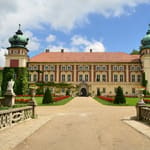
Łańcut Castle
Łańcut Castle is one of the most impressive aristocratic residences in Poland. The castle was originally built in the 17th century and later transformed into a luxurious palace by the powerful Lubomirski and Potocki families. Over time the complex became famous for its refined interiors and extensive art collections.
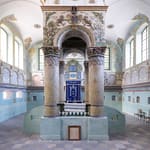
Łańcut Synagogue
The synagogue in Łańcut is one of the best preserved examples of Baroque synagogue architecture in Poland. Built in the 18th century, it served as the religious center for a once thriving Jewish community that played an important role in the town’s economic and cultural life.
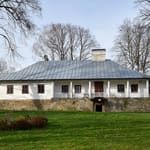
Museum of Noble Culture in Kopytowa
The private museum in Kopytowa is dedicated to the traditions and culture of the Polish nobility, known historically as the szlachta. For several centuries the nobility played a central role in the political system of the Polish–Lithuanian Commonwealth.
Day 4: Through the Carpathians to Podhale
1 attraction to visit
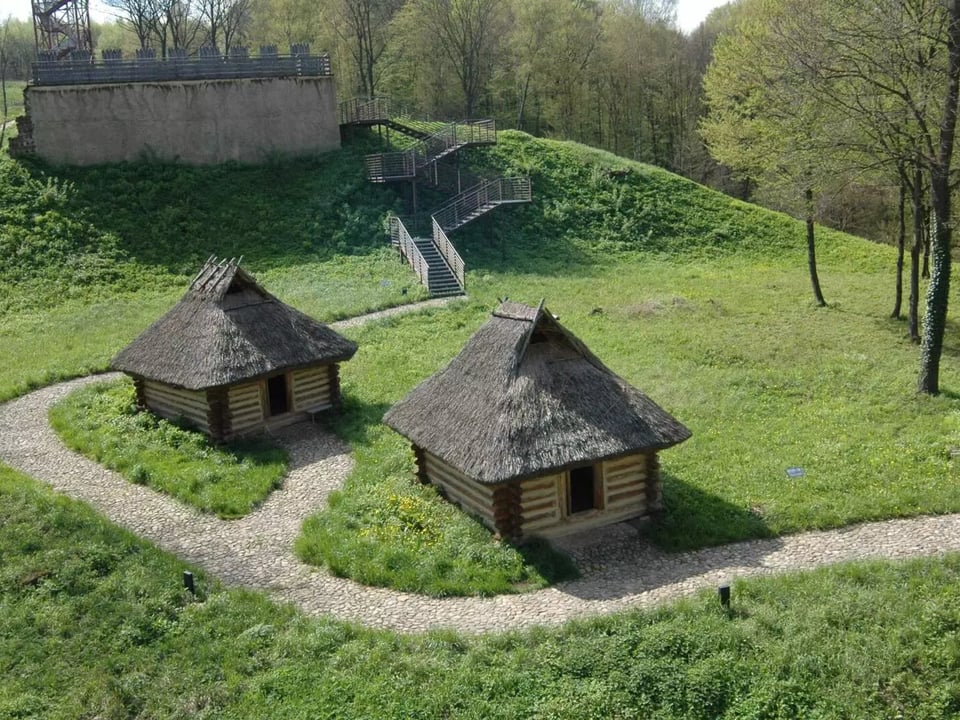
Leaving Krosno, we’ll head to the Podhale region. Along the way, we’ll stop at the “Carpathian Troy” Museum in Trzcinica to uncover the secrets of ancient Carpathian settlements. We’ll drive through the picturesque Beskidy Mountains, enjoying views of the Tatras. In the evening, we’ll check in to a hotel with mountain views.
Places you'll visit
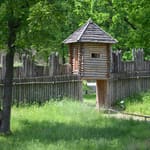
“Carpathian Troy” Archaeological Museum
The archaeological site in Trzcinica, often called “Carpathian Troy,” is one of the most important prehistoric discoveries in Poland. Excavations revealed the remains of fortified settlements dating back nearly four thousand years, including structures connected with the Bronze Age Otomani culture and later Slavic.
Day 5: Zakopane - The Heart of the Polish Tatras
4 attractions to visit
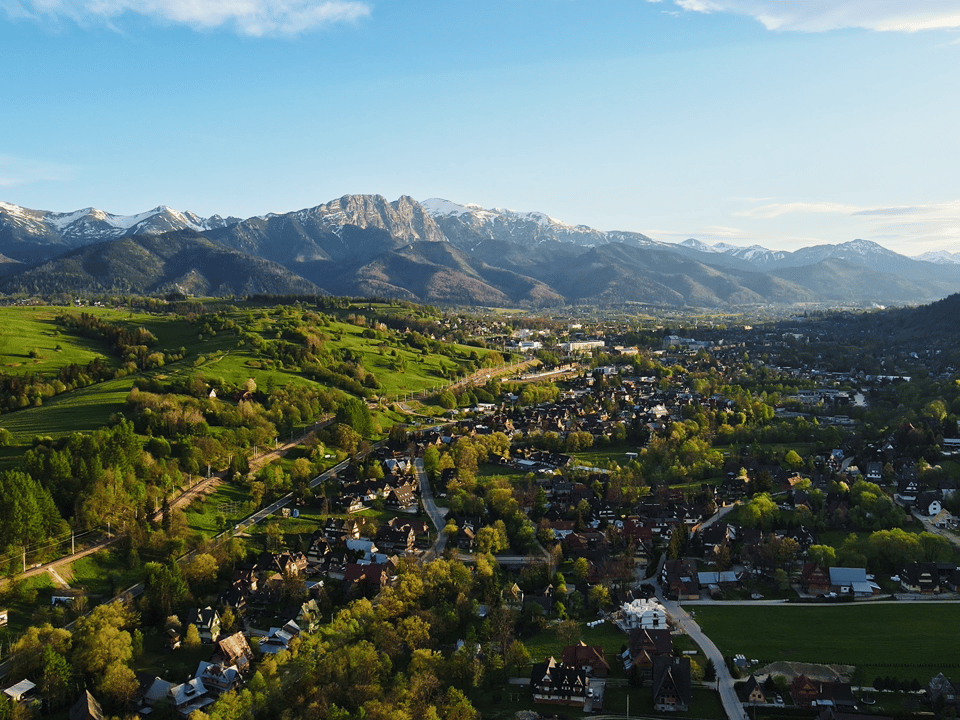
Zakopane will enchant you with its unique architecture and highlander traditions. We’ll visit the cemetery at Pęksowy Brzyzek and the wooden chapel at Jaszczurówka. Then, we’ll ascend Gubałówka or Głodówka to admire panoramic views of the Tatras. The day will end in Chochołów, where we’ll visit a local sculptor’s workshop and enjoy dinner accompanied by highlander music.
Places you'll visit
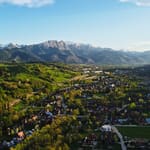
Zakopane
Zakopane developed in the 19th century as a mountain resort at the foot of the Tatra Mountains. During this period the town became popular among artists, writers, and intellectuals who were drawn by the landscape and the unique culture of the local highlanders known as the Górale.
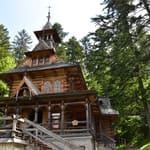
Wooden Chapel at Jaszczurówka
The chapel of the Sacred Heart of Jesus in Jaszczurówka is one of the finest examples of the Zakopane architectural style. Designed at the beginning of the 20th century by the Polish architect Stanisław Witkiewicz.
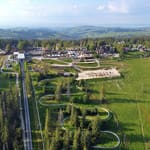
Gubałówka
Gubałówka is a mountain ridge overlooking Zakopane and the Tatra Mountains. In the early twentieth century the area became accessible thanks to the construction of a funicular railway, which helped transform Zakopane into a major tourist destination.
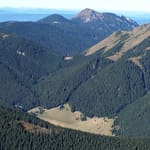
Chochołowska Valley
Chochołowska Valley is the largest valley in the Polish part of the Tatra Mountains. For centuries the valley was used for seasonal shepherding and traditional mountain agriculture, activities that shaped the cultural landscape of the region.
Day 6: Dunajec and Niedzica - History and Nature
3 attractions to visit
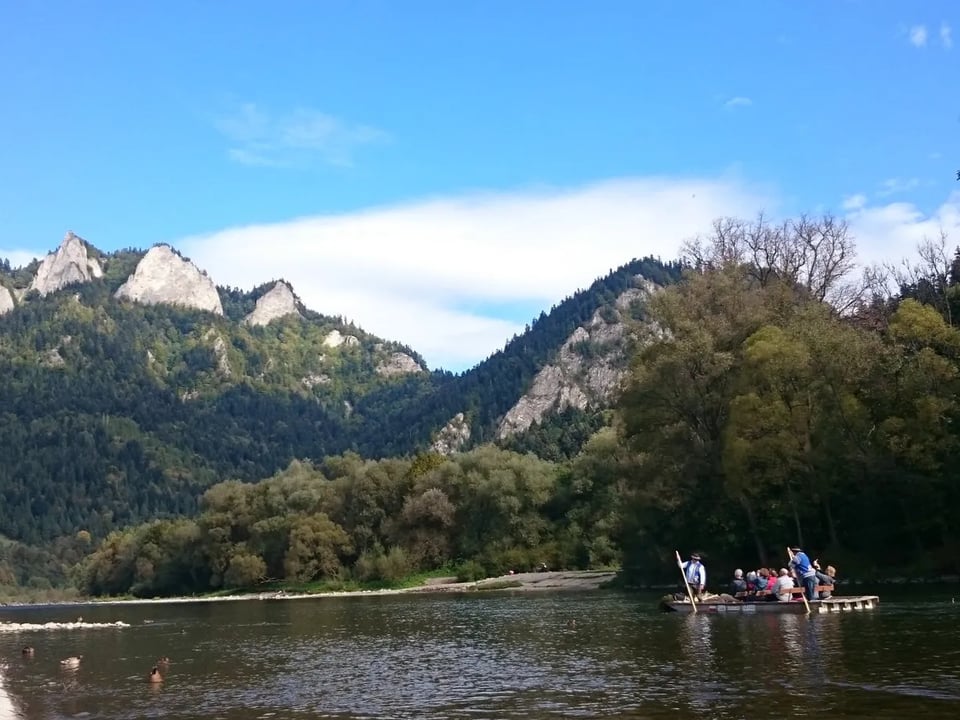
In the morning, enjoy a traditional raft trip down the Dunajec River or a boat ride on Czorsztyn Lake, depending on the weather. In the afternoon, we’ll visit Niedzica Castle, a historic gem where Polish and Hungarian cultures meet. We’ll end the day with dinner surrounded by the stunning beauty of the Pieniny Mountains.
Places you'll visit
Dunajec River Rafting
Rafting on the Dunajec River is one of the oldest tourist traditions in Poland. The route passes through the Pieniny Mountains, where the river cuts through steep limestone cliffs that form a dramatic natural gorge.
Czorsztyn Lake
Czorsztyn Lake is an artificial reservoir created in the 1990s by the construction of a dam on the Dunajec River. The project was intended to control flooding in the region and produce hydroelectric power.
Niedzica Castle
Niedzica Castle stands on a hill above the Dunajec River and dates back to the 14th century. The fortress was originally built by Hungarian nobles to guard an important trade route along the border between the Kingdom of Hungary and Poland.
Day 7: Zakopane - Kraków
3 attractions to visit
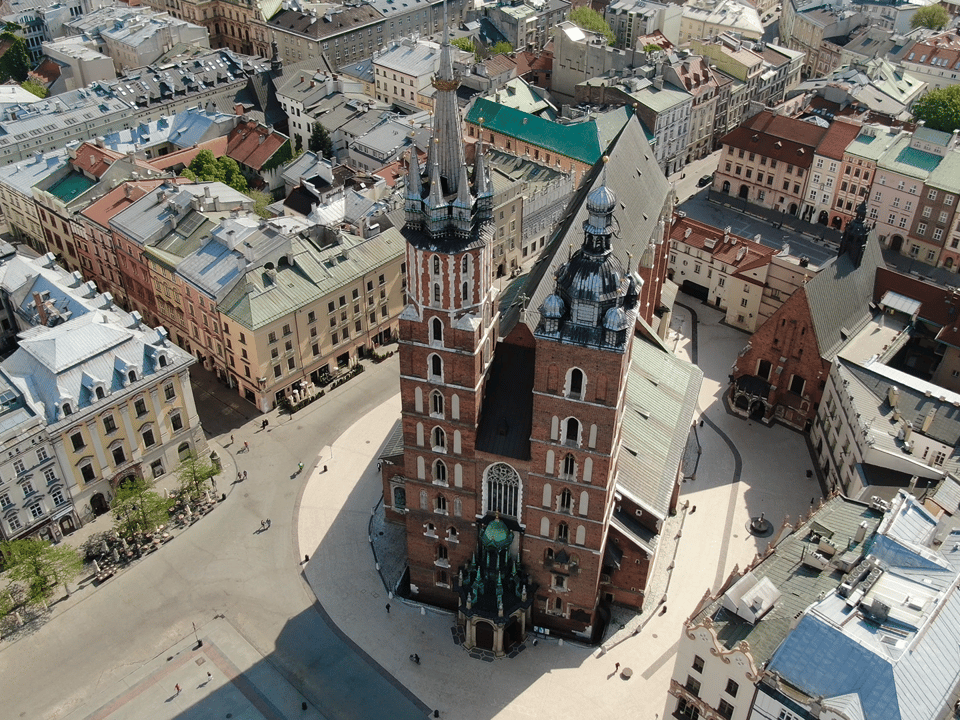
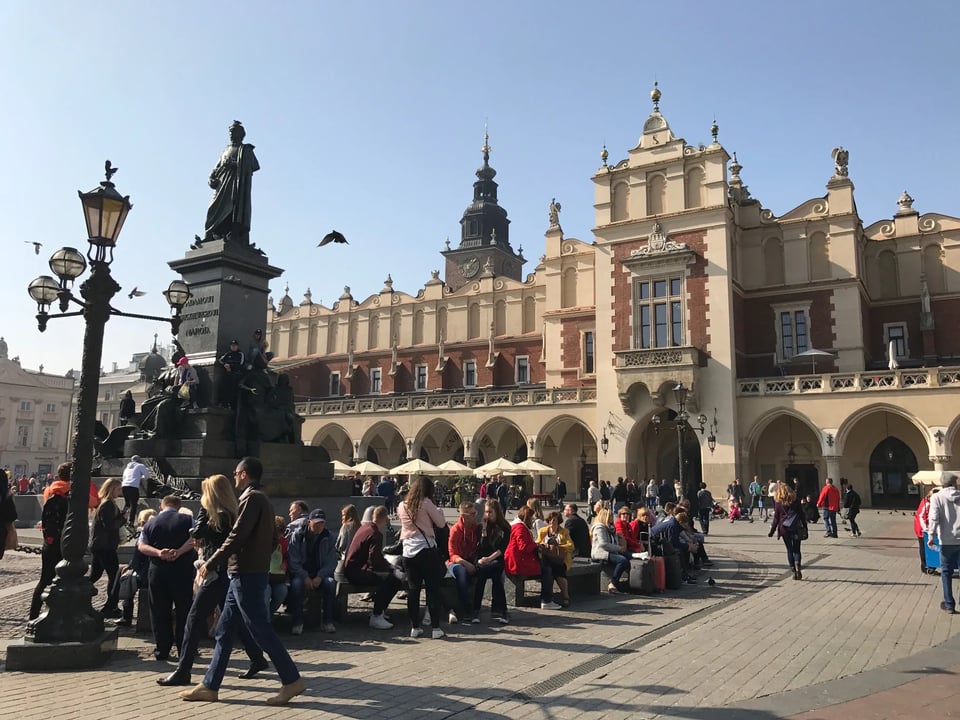
After breakfast, we’ll head to Kraków, where we’ll explore the UNESCO-listed Old Town. Highlights include Wawel Castle, the Main Market Square, and the Cloth Hall. In the afternoon, you’ll have free time to wander the city at your own pace. In the evening, enjoy dinner at a charming restaurant in the heart of Kraków.
Places you'll visit
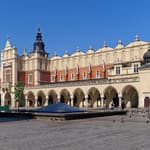
Kraków Old Town
Kraków’s Old Town is one of the most historically important urban centers in Poland. For centuries Kraków served as the royal capital of the Polish Kingdom and the residence of Polish kings. The city flourished especially during the Middle Ages and the Renaissance when Poland was one of the largest states in Europe.
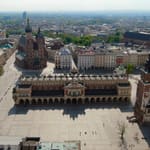
Cloth Hall (Sukiennice)
The Cloth Hall stands in the center of Kraków’s Main Market Square and has been one of the most recognizable symbols of the city for centuries. The original trading hall was established in the 13th century when Kraków was an important commercial center connecting trade routes between Eastern and Western Europe.
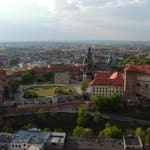
Wawel Hill
Wawel Hill rises above the Vistula River and has been the political and symbolic heart of Poland for centuries. According to legend it is also the place where the mythical Wawel Dragon once lived.
Day 8: Kazimierz and Auschwitz
2 attractions to visit
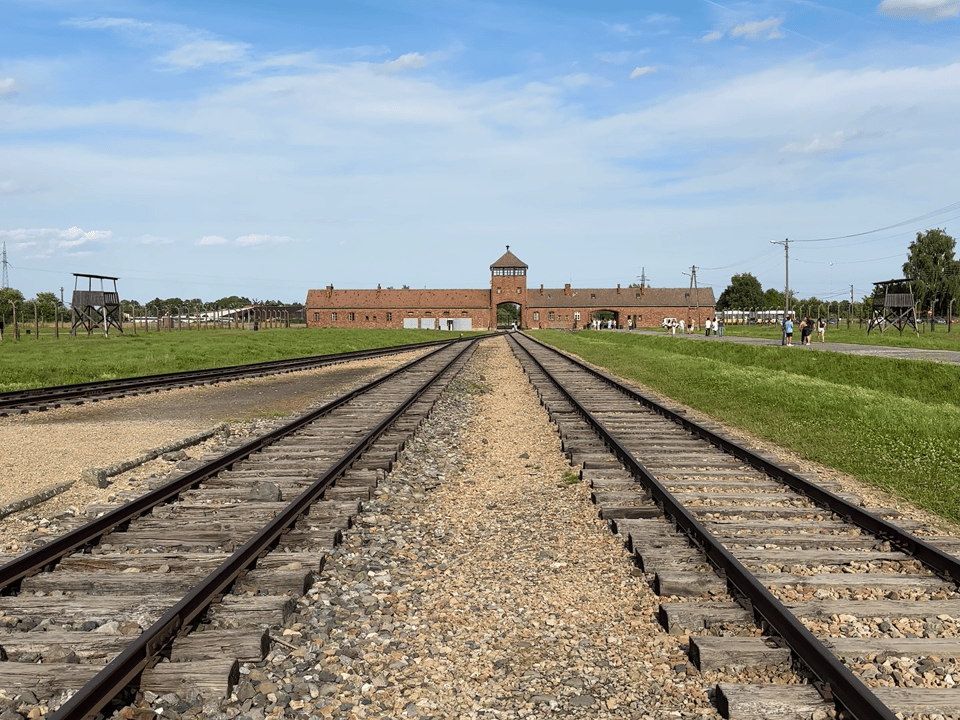
In the morning, we’ll visit Kazimierz, Kraków’s former Jewish district, known for its atmospheric alleys and historic buildings. Later, we’ll travel to Auschwitz-Birkenau to learn about the tragic history of Holocaust. After a reflective day, we’ll return to the hotel for dinner.
Places you'll visit
Kazimierz District
Kazimierz was founded in the 14th century as a separate town by King Casimir III the Great. Over time it became the center of Jewish life in Kraków, particularly after Jewish communities were encouraged to settle there in the late Middle Ages.
Auschwitz-Birkenau Museum
Auschwitz-Birkenau is the largest Nazi concentration and extermination camp established by Germany during the Second World War. Located near the town of Oświęcim in occupied Poland, the camp became the central site of the Holocaust. More than one million people, were murdered here between 1940 and 1945.
Day 9: Wieliczka and Kraków’s Underground Museum
2 attractions to visit
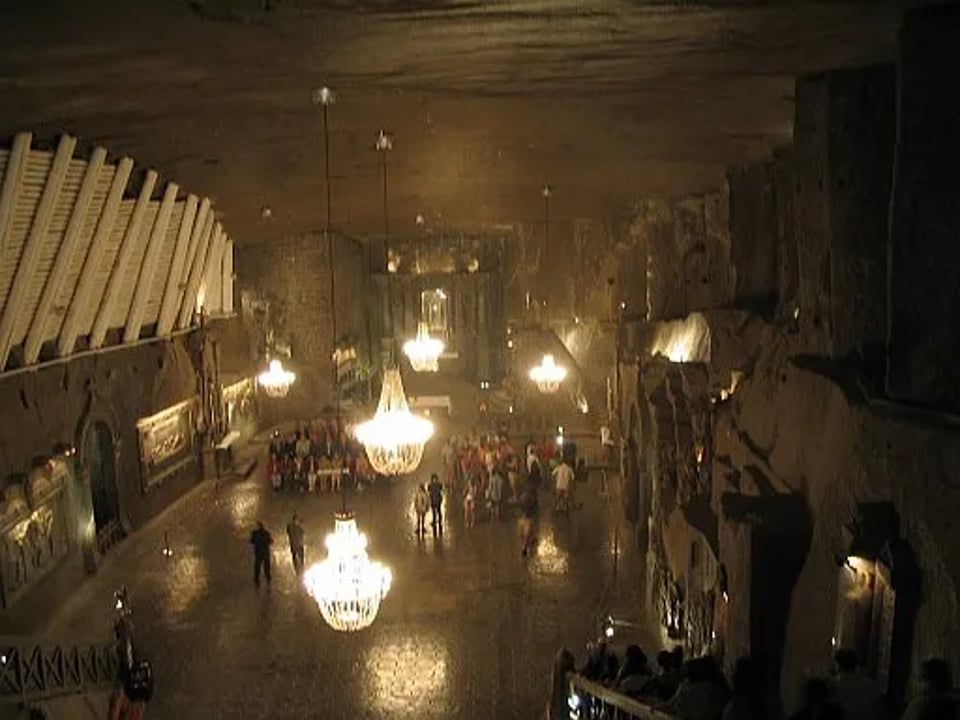
In the morning, we’ll visit the Underground Museum beneath the Main Market Square, revealing Kraków’s medieval history. In the afternoon, we’ll tour the UNESCO-listed Wieliczka Salt Mine, descending into its extraordinary subterranean world.
Places you'll visit
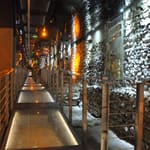
Rynek Underground Museum
The Rynek Underground Museum is located beneath Kraków’s main market square and reveals the archaeological remains of the medieval city. Excavations carried out in the early twenty first century uncovered streets, buildings, and everyday objects dating back several centuries.
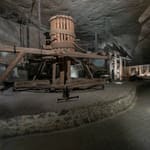
Wieliczka Salt Mine
The Wieliczka Salt Mine near Kraków has been in operation since the 13th century and for many centuries was one of the most important sources of wealth for the Polish Kingdom. Salt was once a highly valuable commodity, and the mine played a crucial role in the economy of medieval Poland.
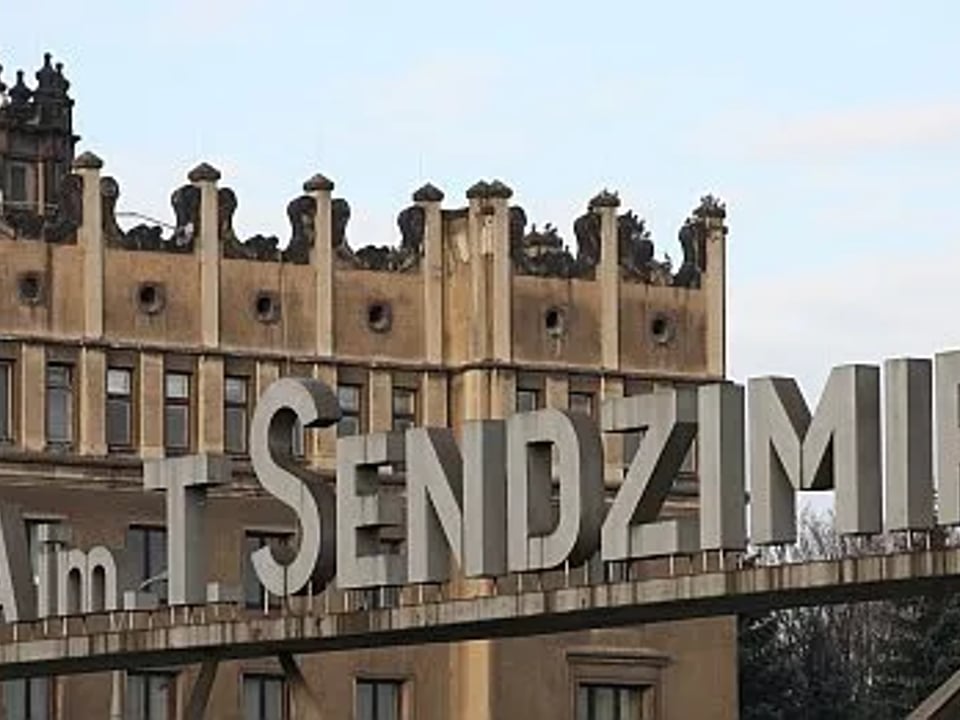
Day 10: Nowa Huta and Farewell to Kraków
2 attractions to visit
The day starts with a visit to Nowa Huta, a district from the communist era, followed by a tour of the famous Schindler Museum. In the evening, we’ll gather for a farewell dinner to wrap up our journey.
Places you'll visit
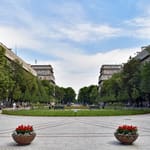
Nowa Huta
Nowa Huta was built after the Second World War as a model socialist city during the communist period in Poland. Construction began in the late 1940s, when the authorities of the Polish People’s Republic decided to build a large industrial district centered around a massive steelworks.
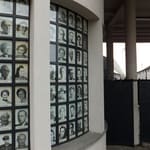
Oskar Schindler Museum
The Oskar Schindler Museum is located in the former enamel factory owned by the German industrialist Oskar Schindler during the Second World War. Schindler employed Jewish workers in his factory and managed to save more than one thousand people from deportation to Nazi concentration camps.
Day 11: Kraków - departure
After last common breakfast in the hotel, we will transfer you to the Krakow Airport. For people interested in flying back from Rzeszow we can organize transfer to the Rzeszow Airport.
Share this tour
Know someone who would love this journey?