

Photo 1 of 2
North-South Inspiration
Or pick the individual days and attractions below — mix them with other inspirations from anywhere on the site.
Discover the authentic beauty of Poland.
11 – day grand tour through the central, northern and southern Poland.
The North-South Poland Tour is the result of over a decade of experience in organizing hundreds of private and group tours focused on genealogy, culture, and history in Poland and other Central and Eastern European countries.
Experience the full splendor of Poland on our North-South Tour. Over 11 unforgettable days, explore the country’s most fascinating destinations, from the vibrant city of Warsaw to the charming streets of Krakow, the seaside beauty of Gdańsk, the majestic Teutonic Castle in Malbork, the historic town of Toruń, and the sacred Częstochowa fortress.
We begin in Warsaw, where you’ll find a blend of modernity and history. Next, we’ll discover Polish traditions with a visit to the ethnographic park in Olsztynek, where you’ll experience the rich customs of a traditional village.
Our journey then leads us north - discover the beauty of Gdańsk with its rich maritime history, the monumental Malbork Castle, and the charming streets of Toruń, the city of Nicolaus Copernicus and gingerbread. We’ll then head south to witness the significance of Częstochowa, the spiritual capital of Poland, finally reaching Krakow.
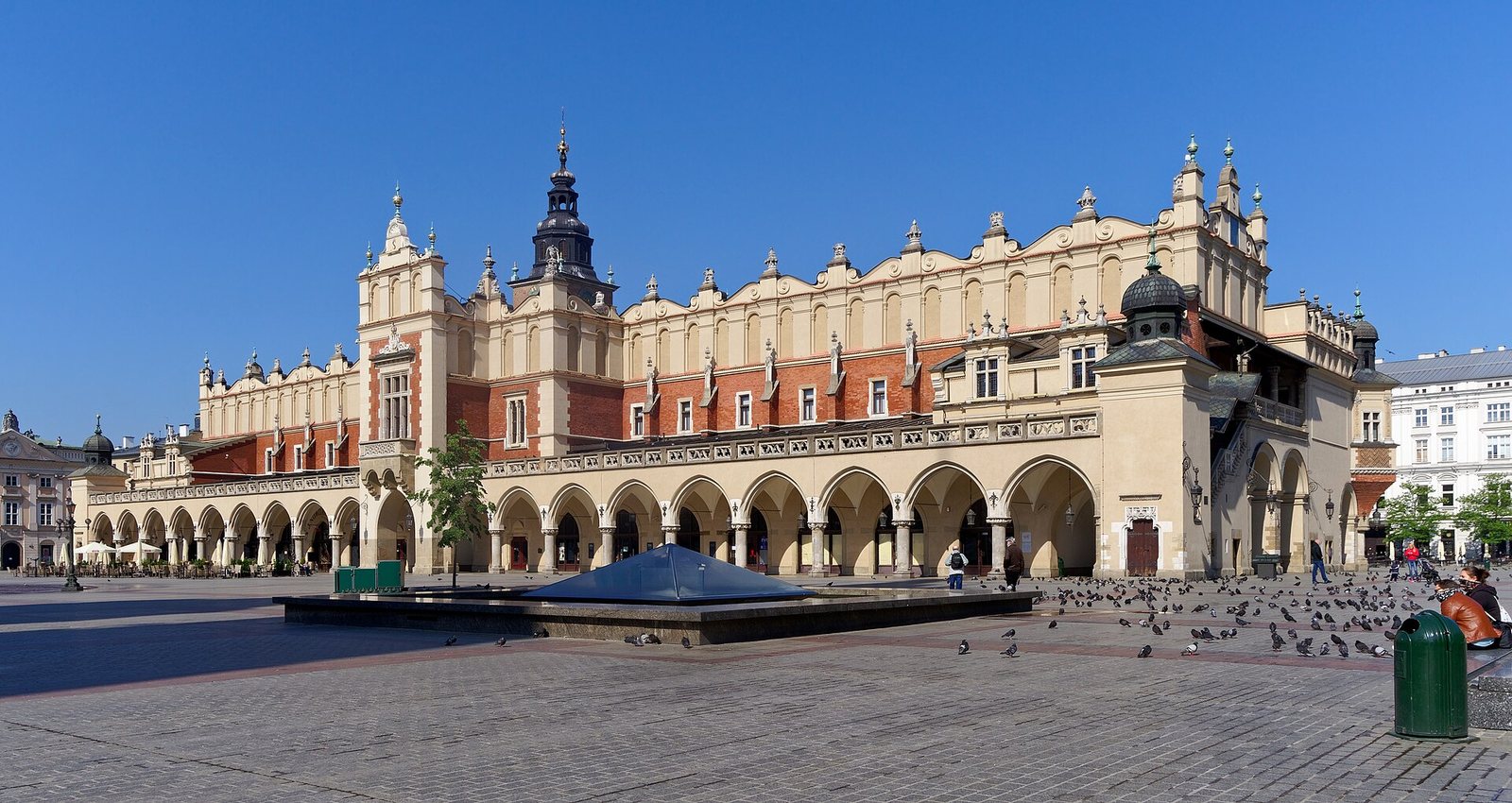
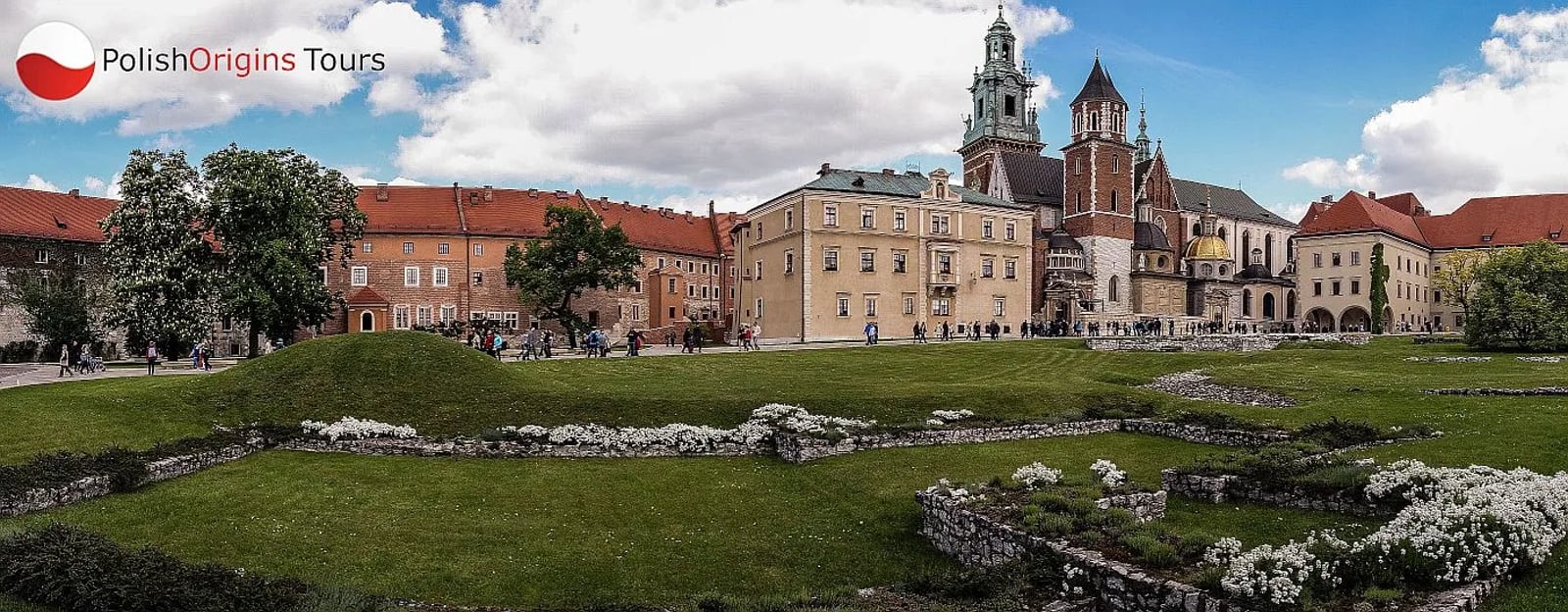
Krakow is the climax of our journey: Wawel Castle, Main Market Square, Cloth Hall - all surrounded by an artistic ambiance and cultural richness. Additionally, optional visits to Auschwitz or the Wieliczka Salt Mine provide an even deeper historical perspective.
Why join us? Our tour is not just sightseeing - it’s a chance to understand the Polish spirit and traditions, meet locals, taste regional cuisine, and experience authentic Polish hospitality. It’s the perfect opportunity to feel the real Poland, full of diversity, history, and unforgettable moments.
Join us to uncover authentic Poland!
This is an example journey from a previous guest — not a group tour. There are no fixed dates or prices: take it as it is, or use it as a starting point and we'll build your trip around you.
Tour Itinerary
Explore our day-by-day journey through Poland's most captivating destinations. Each day is thoughtfully crafted to provide an immersive cultural experience.
You can add individual days or single attractions to your journey from here, mix them with other inspirations, and reorder everything to taste.
Day 1: Warsaw – Arrival and Welcome!
Welcome to the heart of Poland! Upon arrival in Warsaw, you will be transferred to a comfortable hotel in the city center. In the evening, join us for a welcome meeting with your tour leader, where you’ll learn what awaits you in the coming days of the journey. We’ll end the day with dinner at a Warsaw restaurant serving local delicacies.
Day 2: Discovering the Capital
2 attractions to visit
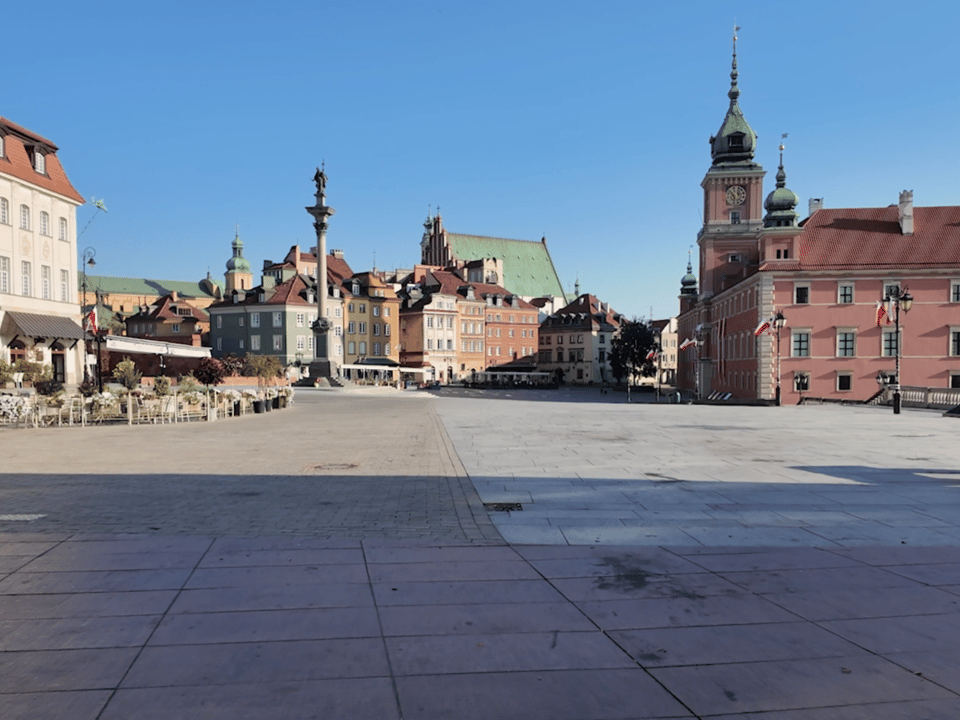
Today, immerse yourself in Warsaw’s rich history as you explore the historic Old Town, painstakingly rebuilt after World War II. This remarkable reconstruction showcases nearly eight centuries of history, from the 13th to the 20th century, earning its place on the UNESCO World Heritage List. Then, visit POLIN, one of the most innovative museums in Europe, which tells the thousand-year history of Jews in Poland.
Places you'll visit
Warsaw Old Town
The Old Town was rebuilt during the early years of the Polish People's Republic - a period of Soviet occupation that lasted until 1989. The Old Town was completely destroyed, but using pre-war photographs and engravings, its medieval layout and Baroque architecture were faithfully restored.
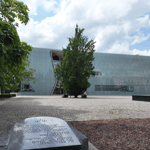
POLIN Museum of the History of Polish Jews
The POLIN Museum of the History of Polish Jews tells the story of one thousand years of Jewish life in Poland. It stands in Warsaw’s former Jewish district, on the site of the Warsaw Ghetto, where during the German occupation Jews were imprisoned and later deported to extermination camps during the Second World War.
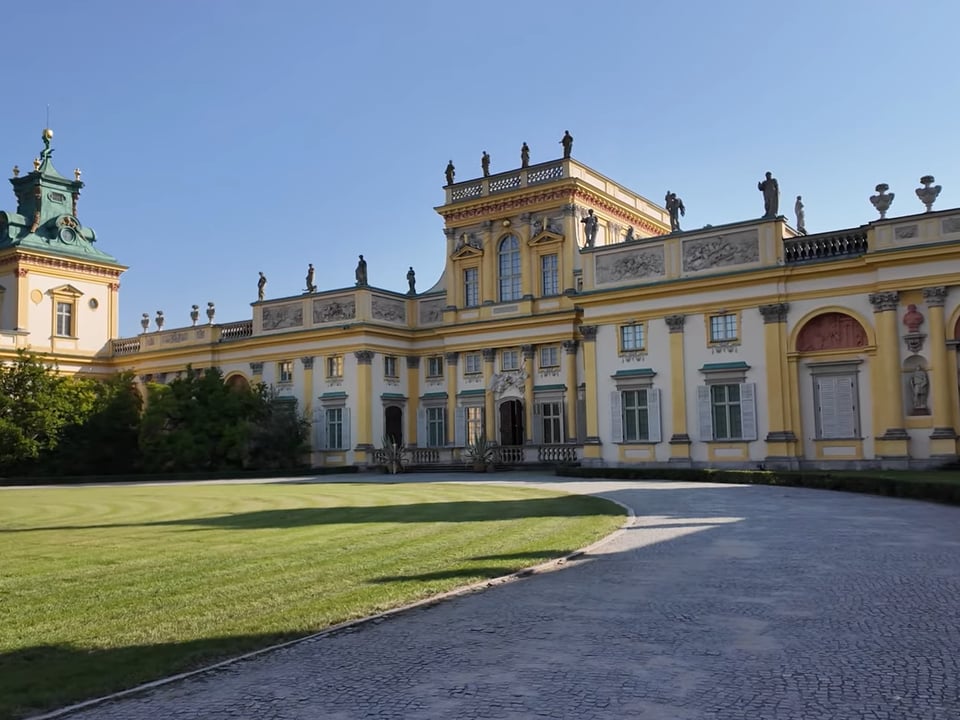
Day 3: Wilanów Palace and Łazienki Park
2 attractions to visit
We’re heading south to visit the Baroque Wilanów Palace, the former residence of King Jan III Sobieski. As you stroll through the beautiful palace gardens, you’ll feel like part of the royal court. On the way back from Wilanów you will visit Łazienki Park. The afternoon is reserved for relaxation.
Places you'll visit
Wilanów Palace
Wilanów Palace was built at the end of the 17th century for King Jan III Sobieski, the Polish ruler famous for his victory over the Ottoman army at the Battle of Vienna in 1683.
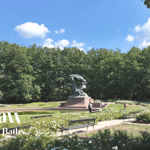
Łazienki Royal Park
Łazienki Royal Park is one of the most beautiful parks in Warsaw. Created in the 18th century at the request of King Stanisław August Poniatowski.
Day 4: On the Way to Gdańsk – Stopover in Olsztynek
1 attraction to visit
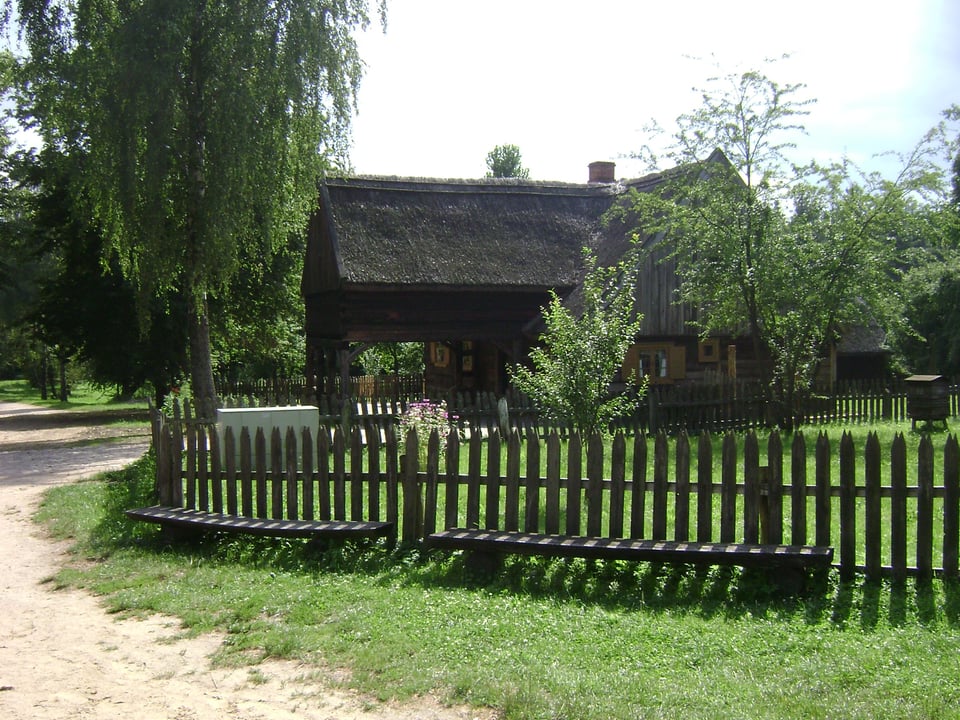
We’re on our way to Gdańsk, with a stop in Olsztynek to visit an open-air museum. Here, you’ll see traditional buildings and the tools used by the people of Warmia, Masuria, Powisle and Little Lithuania in the 19th and 20th centuries. In the evening, we’ll arrive in Gdańsk.
Places you'll visit
Olsztynek Ethnographic Park
The Ethnographic Park in Olsztynek is one of the oldest open air museums in Poland. The museum was established in the early twentieth century to preserve traditional architecture from the regions of Warmia, Masuria, and surrounding areas that historically formed a borderland between Polish and German cultural influence
Day 5: The Charm of Gdańsk – History and Modernity
2 attractions to visit
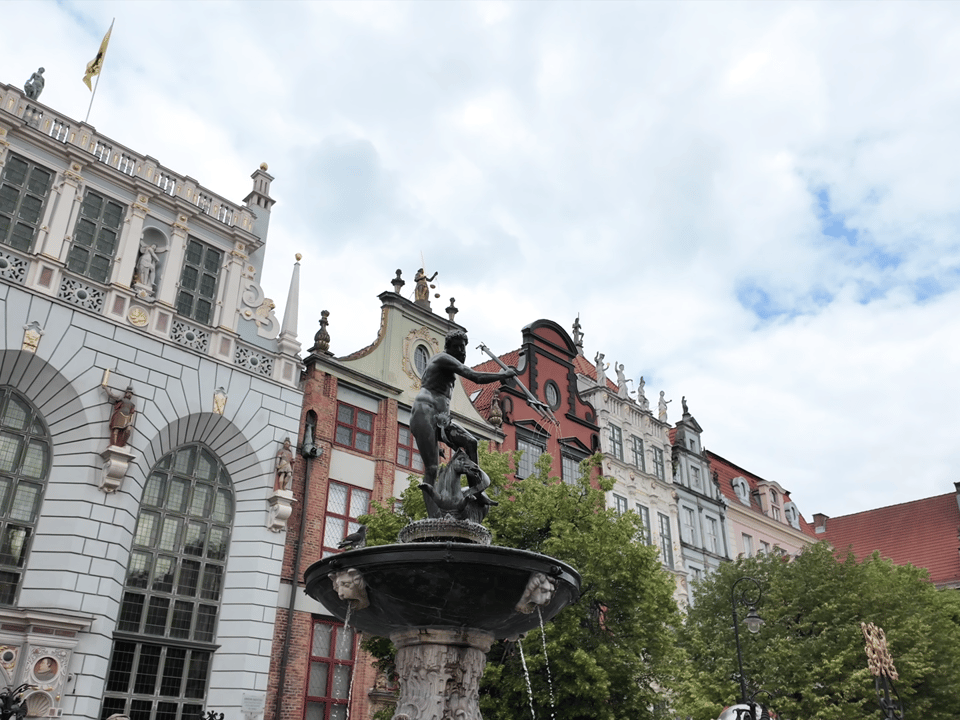
Today, discover Gdańsk - a city with a rich history and a former Hanseatic League member. We’ll visit the historical district, the majestic St. Mary’s Church, and Neptune’s Fountain. In the afternoon, explore the European Solidarity Centre, a symbol of the struggle for freedom.
Places you'll visit
Gdańsk Old Town
The historic center of Gdańsk reflects centuries of trade, political conflict, and cultural exchange on the Baltic Sea. The city became one of the most important ports of the Hanseatic League and later a key trading center of the Polish–Lithuanian Commonwealth.
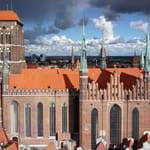
St. Mary’s Church
St. Mary’s Church in Gdańsk is one of the largest brick churches in the world and one of the most impressive examples of Gothic architecture in the Baltic region. Construction began in the 14th century when Gdańsk was a wealthy trading city connected with the Hanseatic League.
Day 6: Gdynia, Westerplatte and amber
2 attractions to visit
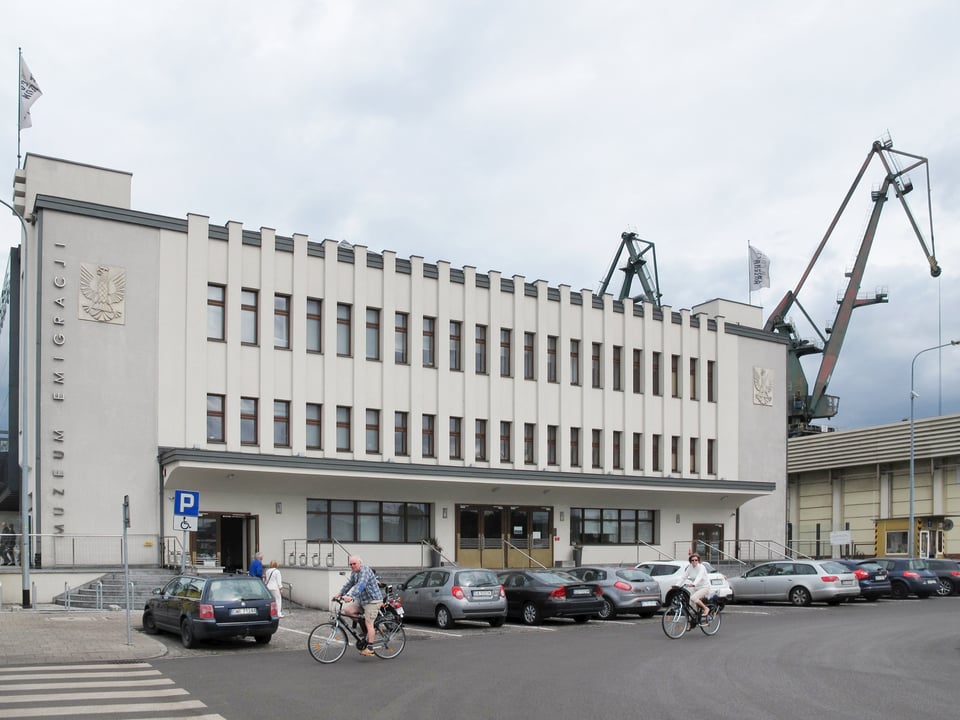
We’re heading to Gdynia to visit the Emigration Museum where we will uncover the reasons behind emigration and and explore the stories of those who journeyed across the globe. On the way, we’ll stop at Westerplatte, the site where World War II began. In Gdańsk, we’ll meet an amber craftsman who will reveal the secrets of working with this unique stone.
Places you'll visit
Emigration Museum
The Emigration Museum in Gdynia tells the story of millions of people who left Poland in search of a new life abroad. In the late nineteenth and early twentieth centuries large waves of Polish emigrants traveled to the United States, Canada, and South America.
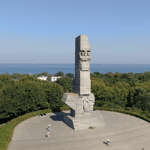
Westerplatte
Westerplatte is a small peninsula in the port of Gdańsk where the Second World War began. On 1 September 1939 the German battleship Schleswig-Holstein opened fire on the Polish military depot located there. The small Polish garrison defended the position for seven days despite overwhelming German forces.
Day 7: Malbork and Toruń – Castles and Gingerbread Legend
1 attraction to visit
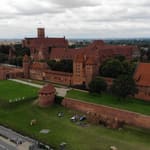
In the morning, we’ll head to Malbork to tour the world’s largest castle measured by land area and a UNESCO World Heritage Site. After lunch, we’ll drive to Toruń, a city that enchants with its medieval architecture and atmosphere. The evening will be spent relaxing in picturesque Toruń.
Places you'll visit
Malbork Castle
The Teutonic Castle in Malbork is one of the largest and best-preserved examples of Gothic architecture in Europe. Inscribed on the UNESCO World Heritage List
Day 8: Toruń – City of Copernicus and Gingerbread
2 attractions to visit
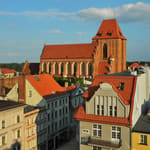
Get to know Toruń, where Nicolaus Copernicus was born. It’s a historic trading city that preserves to a remarkable extent its original street pattern and outstanding early buildings, and which provides an exceptionally complete picture of the medieval way of life. You’ll stroll through its charming streets and see the main monuments of this UNESCO-listed city. At the gingerbread museum, you’ll even have the chance to make your own traditional gingerbread.
Places you'll visit
Toruń Old Town
Toruń is one of the best preserved medieval cities in Central Europe. Founded in the 13th century by the Teutonic Order, it quickly became an important member of the Hanseatic League and a major trading center on the Vistula River. The city later became part of the Polish Kingdom.
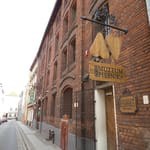
Gingerbread Museum
Toruń has been famous for gingerbread for several centuries. The tradition dates back to the Middle Ages, when the city’s location on major trade routes allowed merchants to obtain exotic spices such as cinnamon, cloves, and ginger. These ingredients were used to create the distinctive gingerbread.
Day 9: Częstochowa – Poland’s Spiritual Capital
1 attraction to visit
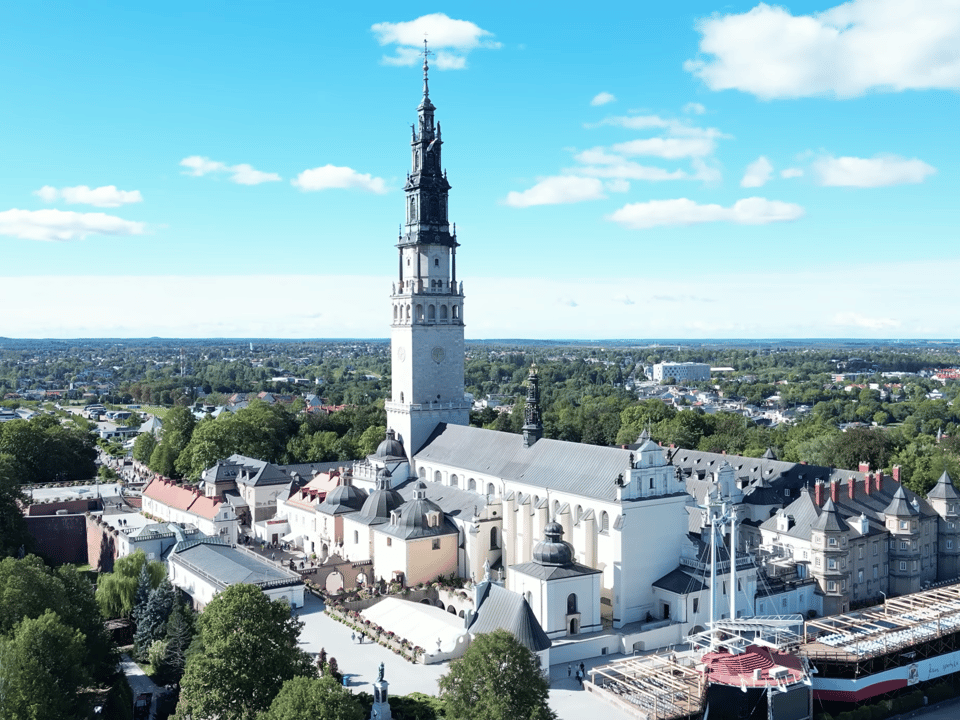
Today, we will visit Jasna Góra in Częstochowa, home to the famous icon of the Black Madonna. The place is important for the Polish people not only from the perspective of the Catholic religion, but also because of the significant role it played in the history of the nation. Then, we will travel to Kraków, passing castles along the Eagle’s Nests Trail that stand proudly over the picturesque valleys of the Kraków-Częstochowa Upland.
Places you'll visit
Jasna Góra Monastery
Jasna Góra in Częstochowa is one of the most important religious sites in Poland and the country’s main center of Catholic pilgrimage. The monastery was founded in the 14th century by the Pauline monks and became famous for the icon of the Black Madonna, which is believed by many believers to possess miraculous powers.
Day 10: Kraków. Auschwitz or Wieliczka half-day trip.
3 attractions to visit
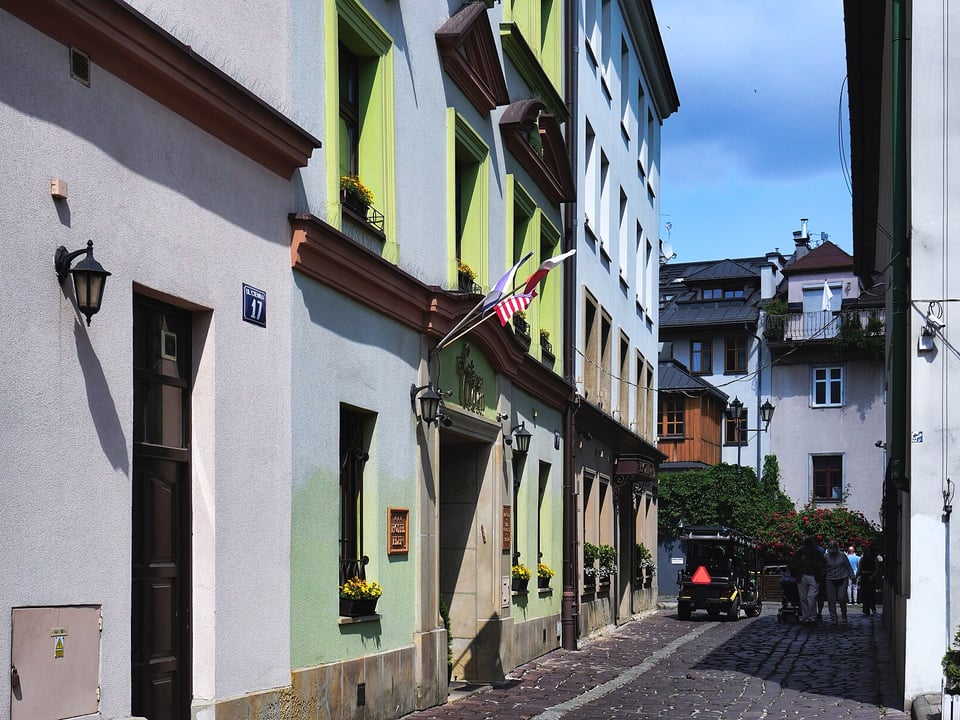
In the morning, we’ll explore Kazimierz, Kraków’s former Jewish district, filled with charming cafes and antique shops. In the afternoon, you’ll have 3 options to choose from (the group will be divided according to the participants’ choices):
1. Travel to Oświęcim (about 1h 10 min drive) and visit the Auschwitz-Birkenau (UNESCO list) museum with a regular English tour.
2. Visit the Wieliczka Salt Mine (about 30 min drive from Kraków), one of Polish National Monuments, a mine that was opened in the XIII century (UNESCO list). We will arrange for you the regular tour in English. Please note: there are about 800 steps down (an elevator takes tourists up).
3. Free time in Kraków.
Places you'll visit
Kazimierz District
Kazimierz was founded in the 14th century as a separate town by King Casimir III the Great. Over time it became the center of Jewish life in Kraków, particularly after Jewish communities were encouraged to settle there in the late Middle Ages.
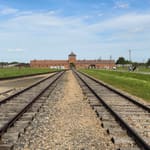
Auschwitz-Birkenau Museum
Auschwitz-Birkenau is the largest Nazi concentration and extermination camp established by Germany during the Second World War. Located near the town of Oświęcim in occupied Poland, the camp became the central site of the Holocaust. More than one million people, were murdered here between 1940 and 1945.
Wieliczka Salt Mine
The Wieliczka Salt Mine near Kraków has been in operation since the 13th century and for many centuries was one of the most important sources of wealth for the Polish Kingdom. Salt was once a highly valuable commodity, and the mine played a crucial role in the economy of medieval Poland.
Day 11: Magical Kraków
5 attractions to visit
Today, explore the Old Town – oldest district of Kraków, dating to XI century, one of the first sites chosen for the UNESCO’s World Heritage List, and Wawel Hill – located at the left bank of Vistula river, this architectural complex with its castle was the official seat of Polish monarchs until 1611. You’ll visit the Main Market Square, the famous St. Mary’s Basilica, and the remarkable Underground Museum – an excavation site turned into a museum. Located underneath the Market Square, it is dedicated to showing Kraków’s history from the Middle Ages with the use of modern technology and artifacts from the past.
Places you'll visit
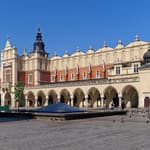
Kraków Old Town
Kraków’s Old Town is one of the most historically important urban centers in Poland. For centuries Kraków served as the royal capital of the Polish Kingdom and the residence of Polish kings. The city flourished especially during the Middle Ages and the Renaissance when Poland was one of the largest states in Europe.
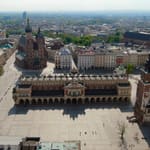
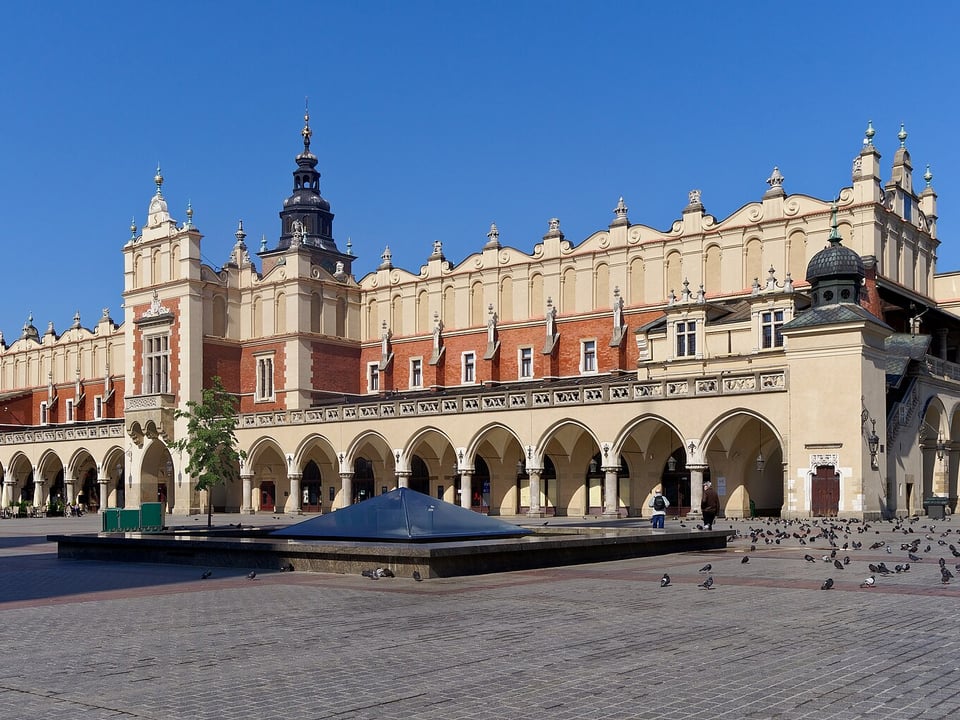
Cloth Hall (Sukiennice)
The Cloth Hall stands in the center of Kraków’s Main Market Square and has been one of the most recognizable symbols of the city for centuries. The original trading hall was established in the 13th century when Kraków was an important commercial center connecting trade routes between Eastern and Western Europe.
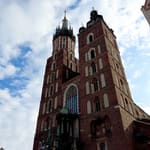
St. Mary’s Basilica
St. Mary’s Basilica stands on the main square of Kraków and is one of the city’s most recognizable landmarks. The Gothic church was built between the 13th and 15th centuries and became closely connected with the religious life of the city.
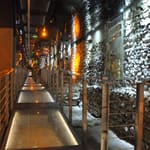
Rynek Underground Museum
The Rynek Underground Museum is located beneath Kraków’s main market square and reveals the archaeological remains of the medieval city. Excavations carried out in the early twenty first century uncovered streets, buildings, and everyday objects dating back several centuries.
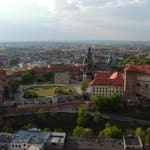
Wawel Hill
Wawel Hill rises above the Vistula River and has been the political and symbolic heart of Poland for centuries. According to legend it is also the place where the mythical Wawel Dragon once lived.
Day 12: Farewell to Poland
After breakfast, our journey comes to an end. We arrange individual transfers to the Krakow airpot. For those interested, transports to the Warsaw airport are available.
Share this tour
Know someone who would love this journey?