

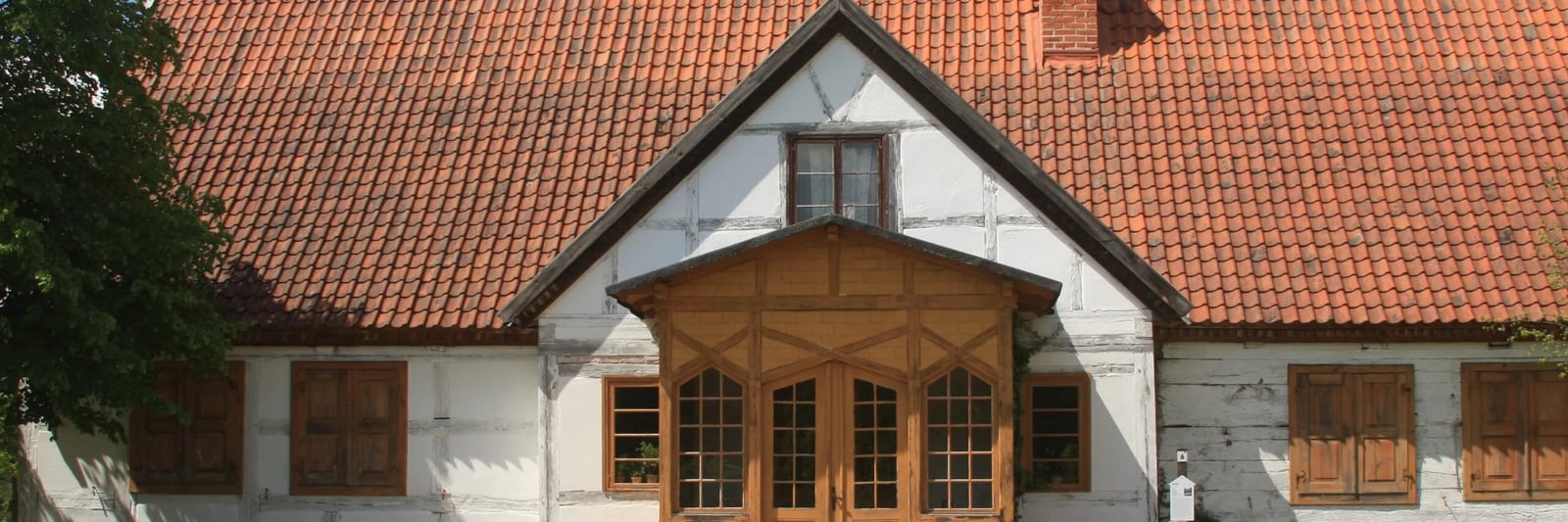
Photo 1 of 1
Prussian Poland Tour
Or pick the individual days and attractions below — mix them with other inspirations from anywhere on the site.
11 - day tour through today’s Greater Poland, Masuria and Pomerania and the lands that were part of the Prussian partition of Poland.
Based on our many years of experience in providing Genealogy Tours and other historical and cultural tours in Poland, as a complement to our tours to the former Austrian and Russian partitions of Poland, we present the Prussian Poland Tour.
This is an example journey from a previous guest — not a group tour. There are no fixed dates or prices: take it as it is, or use it as a starting point and we'll build your trip around you.
Tour Itinerary
Explore our day-by-day journey through Poland's most captivating destinations. Each day is thoughtfully crafted to provide an immersive cultural experience.
You can add individual days or single attractions to your journey from here, mix them with other inspirations, and reorder everything to taste.
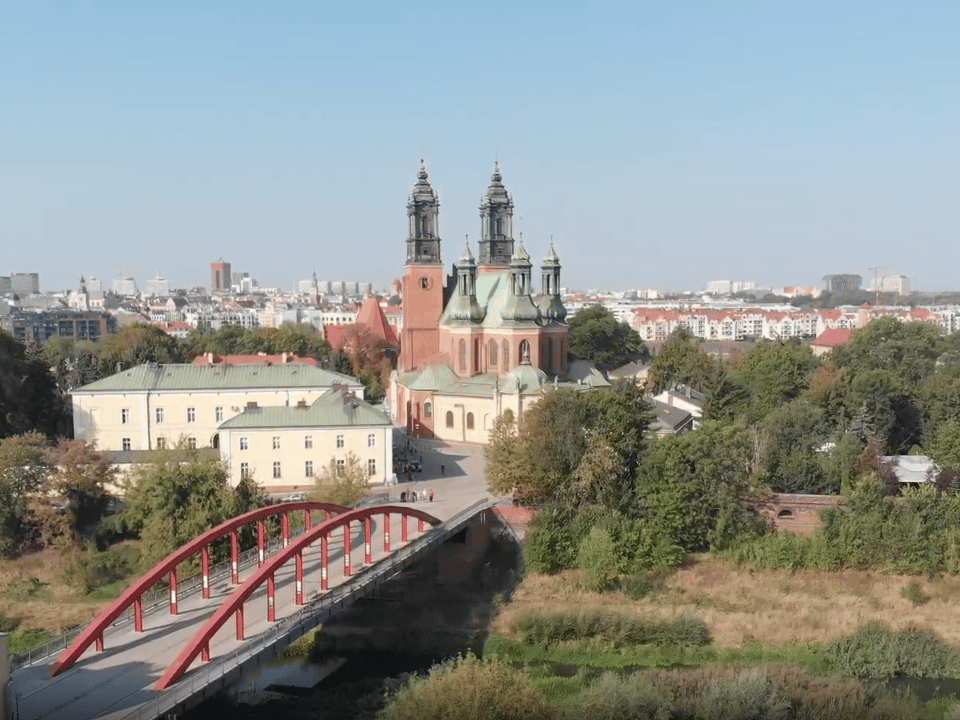
Day 1: Poznań - Meeting Day
Your arrival. Airport pickup and transfer to the hotel. Time to rest after the journey.
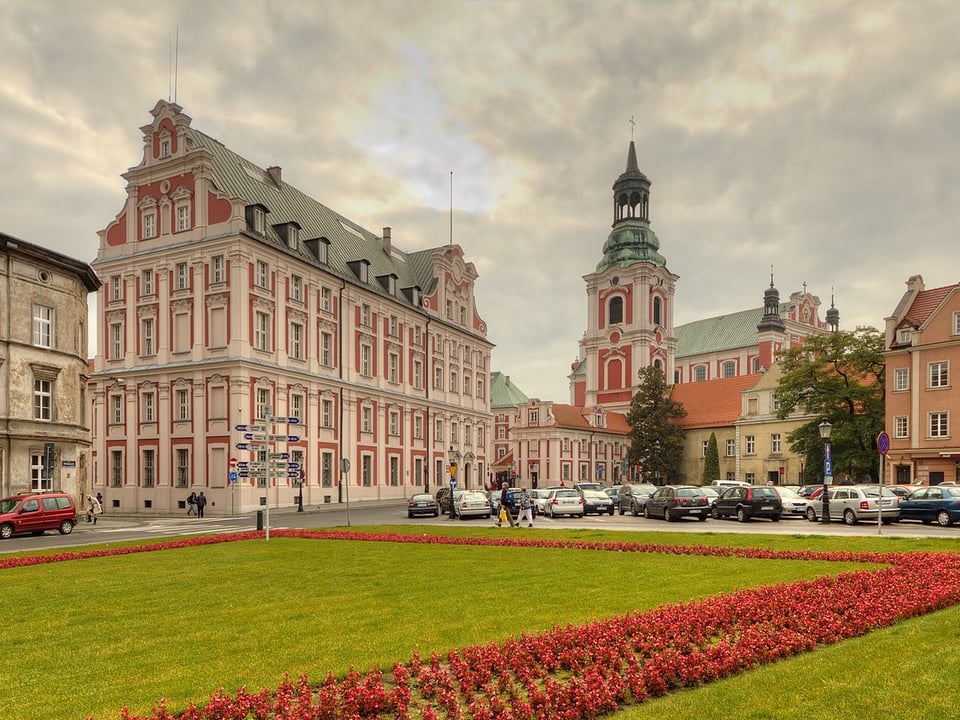
Day 2: Poznań - The historical capital of Greater Poland
2 attractions to visit
Poznań is among the oldest cities of Poland and was one of the most important centers in the early Polish state in the 10th and 11th centuries. After the partitions, Poznań became an imperial residence city, with landmarks such as the Imperial Castle, Opera House, and Imperial District still visible today.
The city is known for its Renaissance Old Town, Ostrów Tumski Cathedral, and the famous mechanical goats’ butting display. Optional activities include visiting Wilson’s Park and Palm House, Citadel Park, and Stary Browar Shopping and Arts Center.
Places you'll visit
Poznań Old Town
Poznań is one of the oldest cities in Poland and played an important role in the early formation of the Polish state. The city developed along trade routes connecting Western and Eastern Europe and became an important economic center during the Middle Ages.
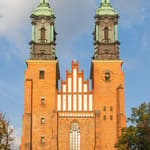
Poznań Cathedral (Ostrów Tumski)
The cathedral on Ostrów Tumski Island in Poznań is one of the oldest churches in Poland. It is closely connected with the beginnings of the Polish state, as the first historical ruler of Poland, Mieszko I, was baptized in this region in 966, an event considered the symbolic start of Christian Poland.
Day 3: From the beginnings of the Polish state to Copernicus times
3 attractions to visit
After breakfast, check out and leave Poznań. Stop in Gród Pobiedziska, a reconstruction of a wooden fortress from the early Polish State. Visit Gniezno Cathedral, site of Polish royal coronations. Continue to Biskupin, a Bronze Age Slavic settlement. Evening arrival in Toruń, the hometown of Copernicus.
Places you'll visit
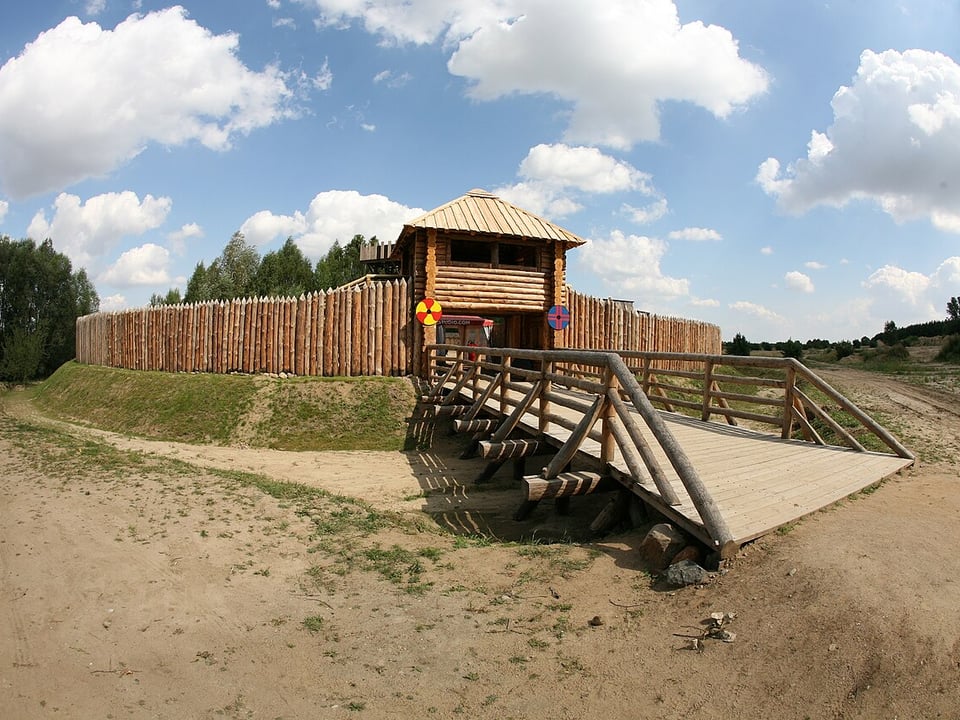
Gród Pobiedziska
Gród Pobiedziska is a modern reconstruction of an early medieval wooden fortress similar to those used during the first centuries of the Polish state. Such strongholds played an important role in defending territories and served as administrative centers for early rulers.
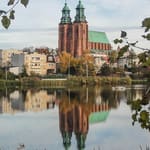
Gniezno Cathedral
Gniezno Cathedral is one of the most historically important churches in Poland. In the early Middle Ages Gniezno served as the first capital of the Polish state and the seat of the archbishop, making it a major religious center.
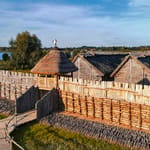
Biskupin Archaeological Park
Biskupin is one of the most famous archaeological sites in Poland and represents a well preserved settlement from the Iron Age. The site dates back to around the 8th century BCE and belonged to the Lusatian culture, a prehistoric community that inhabited parts of Central Europe.
Day 4: The triumph of the Polish army and everyday life in old Prussia
1 attraction to visit
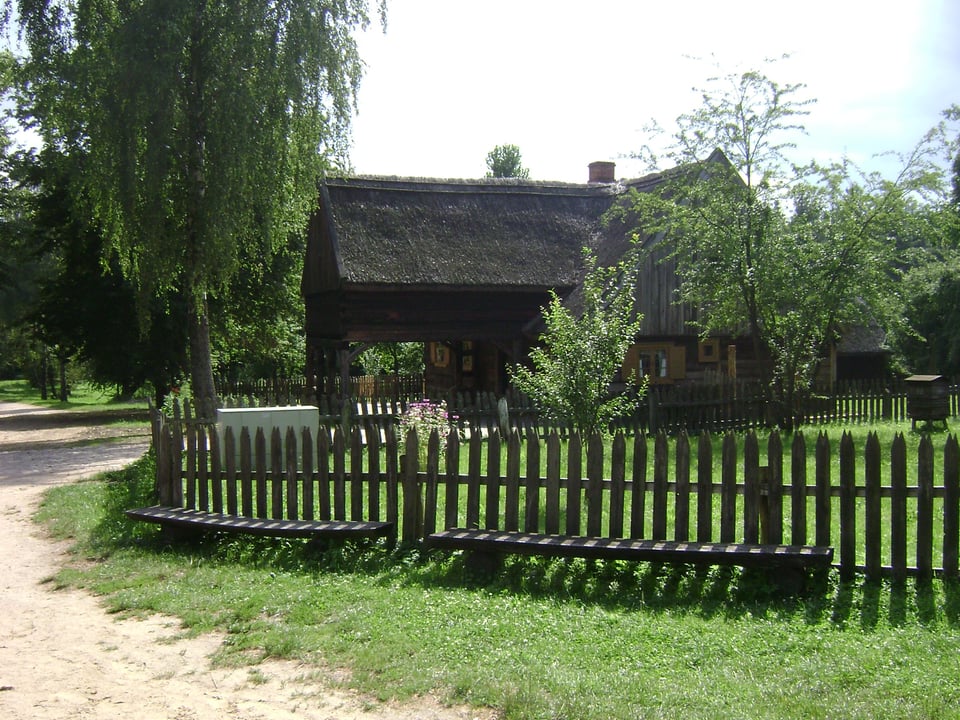
Visit the Battle of Grunwald Museum, one of Europe’s largest medieval battles. In the afternoon, explore the Ethnographic Park in Olsztynek for insight into 18th–19th century East Prussian village life.
Places you'll visit
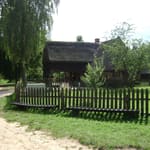
Olsztynek Ethnographic Park
The Ethnographic Park in Olsztynek is one of the oldest open air museums in Poland. The museum was established in the early twentieth century to preserve traditional architecture from the regions of Warmia, Masuria, and surrounding areas that historically formed a borderland between Polish and German cultural influence
Day 5: Masurian Lakes District - Nature and Wildlife
1 attraction to visit
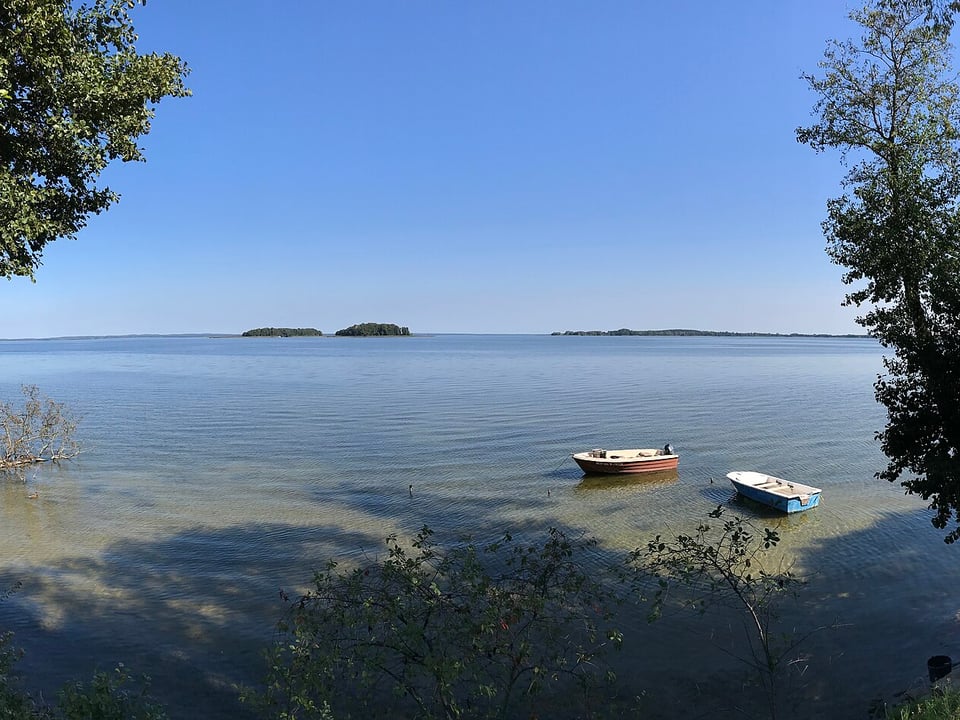
Morning travel to the heart of the Masurian Lakes District. Optional visit to Wild Animals Park in Kadzidłowo. Later, visit Mikołajki and take a cruise on Śniardwy Lake, Poland’s largest.
Places you'll visit
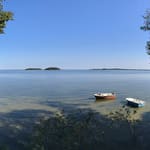
Cruise on Śniardwy Lake
Śniardwy Lake is the largest lake in Poland and lies in the Masurian Lake District, a region known for its vast system of interconnected lakes and forests. For centuries the area remained relatively remote and was shaped by fishing, sailing, and small scale agriculture.
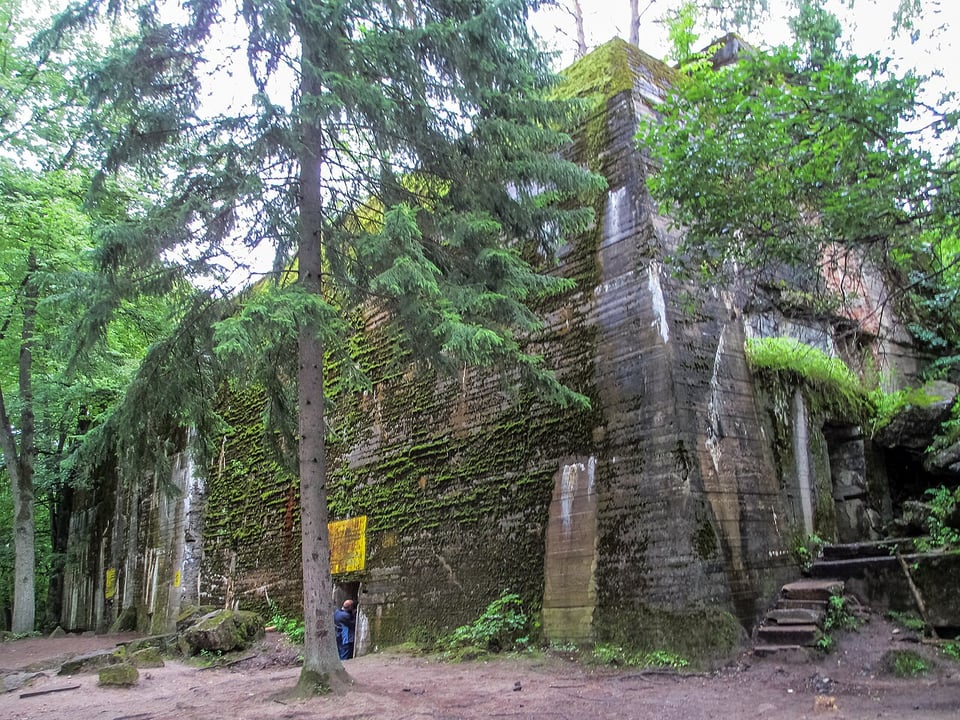
Day 6: The Wolf’s Lair, Reszel, and Święta Lipka Sanctuary
3 attractions to visit
Visit Gierłoż, site of Hitler’s Eastern Front headquarters. Stops in Reszel (Gothic Castle) and Święta Lipka Sanctuary, a baroque masterpiece.
Places you'll visit
Wolf’s Lair
The Wolf’s Lair near the village of Gierłoż was Adolf Hitler’s main military headquarters on the Eastern Front during the Second World War. The complex was built in a heavily forested area of what was then East Prussia and consisted of bunkers, command buildings, and military infrastructure.
Reszel Castle
The Gothic castle in Reszel was built in the 14th century by the bishops of Warmia. During the Middle Ages the bishops ruled this region with considerable independence, and the castle served both as a residence and as a defensive stronghold.
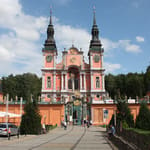
Święta Lipka Sanctuary
The sanctuary of Święta Lipka is one of the most famous pilgrimage churches in northern Poland. The present Baroque church was built in the 17th century during the Counter Reformation, when the Catholic Church strengthened its presence in the region of Warmia.
Day 7: From East Prussia to Pomerania
1 attraction to visit
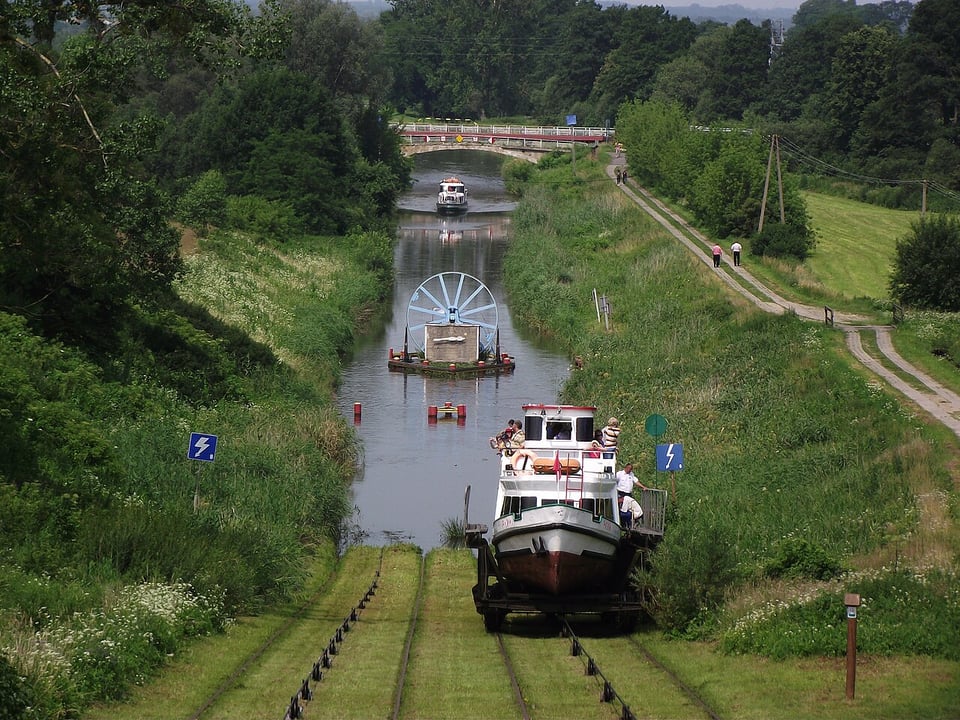
Morning drive to Pomerania. Depending on conditions, cruise the Elbląg Canal, a UNESCO-listed engineering marvel. Arrival in Gdańsk.
Places you'll visit
Elbląg Canal Cruise
The Elbląg Canal is one of the most unusual engineering projects in Europe. Built in the 19th century, the canal was designed to connect inland lakes with the Baltic Sea and allow goods to be transported between them.
Day 8: The mysteries of Teutonic Prussia
1 attraction to visit
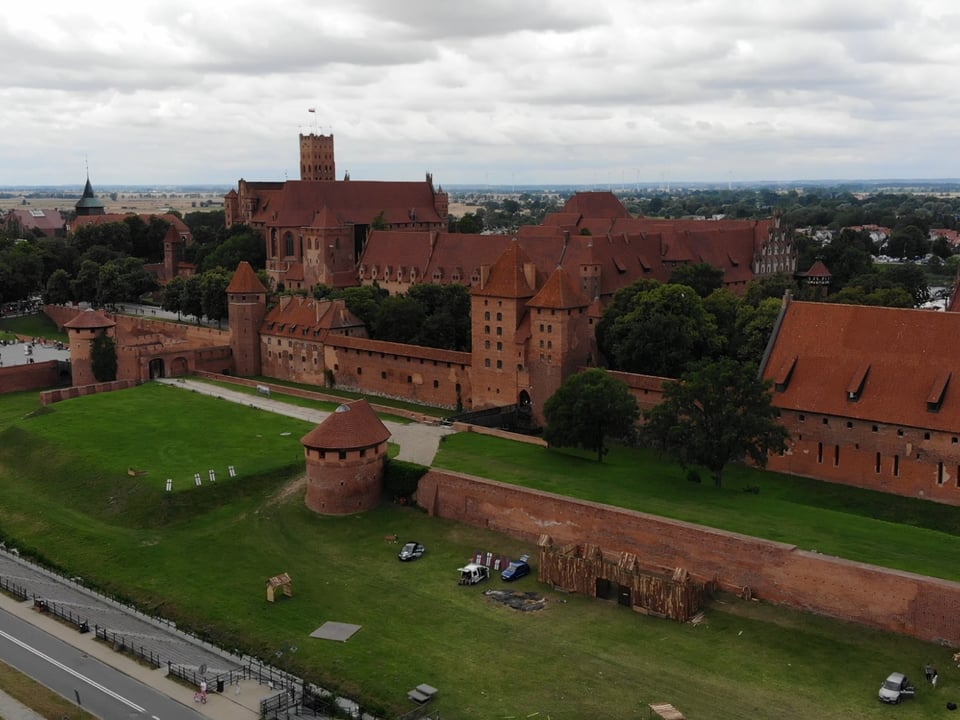
Morning drive to Malbork Castle, the largest Teutonic castle in Poland. Afternoon free in Gdańsk.
Places you'll visit
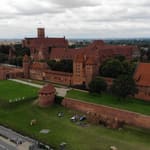
Malbork Castle
The Teutonic Castle in Malbork is one of the largest and best-preserved examples of Gothic architecture in Europe. Inscribed on the UNESCO World Heritage List
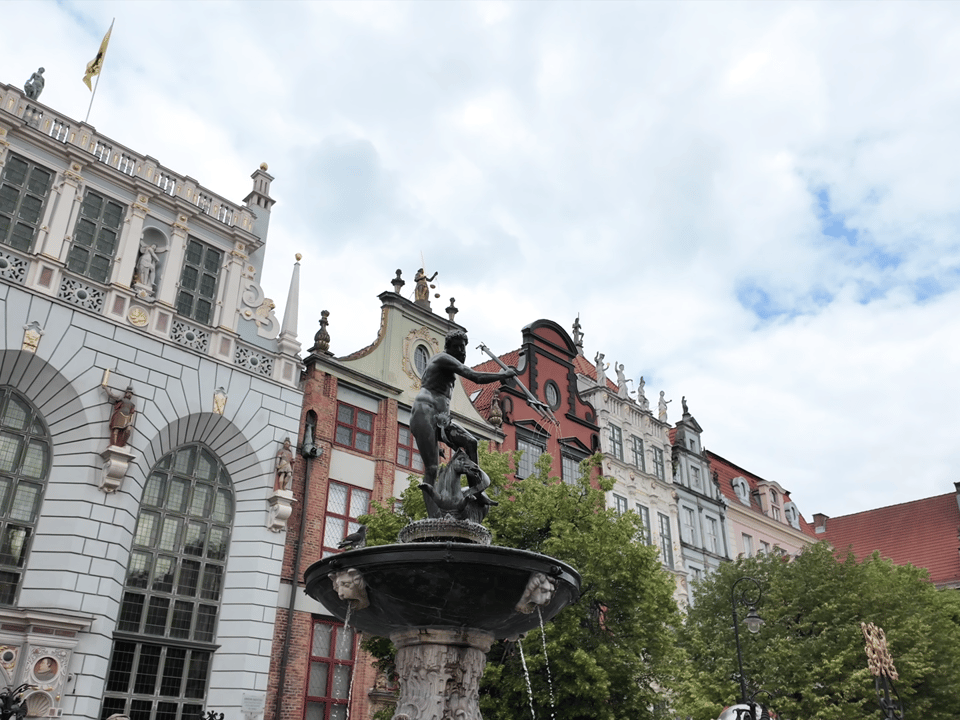
Day 9: From the Hanseatic League to the trans-Atlantic era
3 attractions to visit
Guided tour of Gdańsk’s historic Hanseatic heritage. Afternoon visit to Gdynia’s Emigration Museum, telling the story of millions of Poles who left their homeland.
Places you'll visit
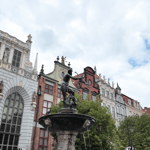
Gdańsk Old Town
The historic center of Gdańsk reflects centuries of trade, political conflict, and cultural exchange on the Baltic Sea. The city became one of the most important ports of the Hanseatic League and later a key trading center of the Polish–Lithuanian Commonwealth.
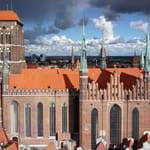
St. Mary’s Church
St. Mary’s Church in Gdańsk is one of the largest brick churches in the world and one of the most impressive examples of Gothic architecture in the Baltic region. Construction began in the 14th century when Gdańsk was a wealthy trading city connected with the Hanseatic League.
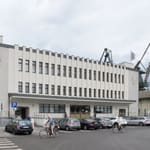
Emigration Museum
The Emigration Museum in Gdynia tells the story of millions of people who left Poland in search of a new life abroad. In the late nineteenth and early twentieth centuries large waves of Polish emigrants traveled to the United States, Canada, and South America.
Day 10: Gdańsk - The free city
1 attraction to visit
Visit Westerplatte, site of the first battle of WWII, and Stutthof concentration camp. Explore the Solidarity Movement at the European Solidarity Centre.
Places you'll visit
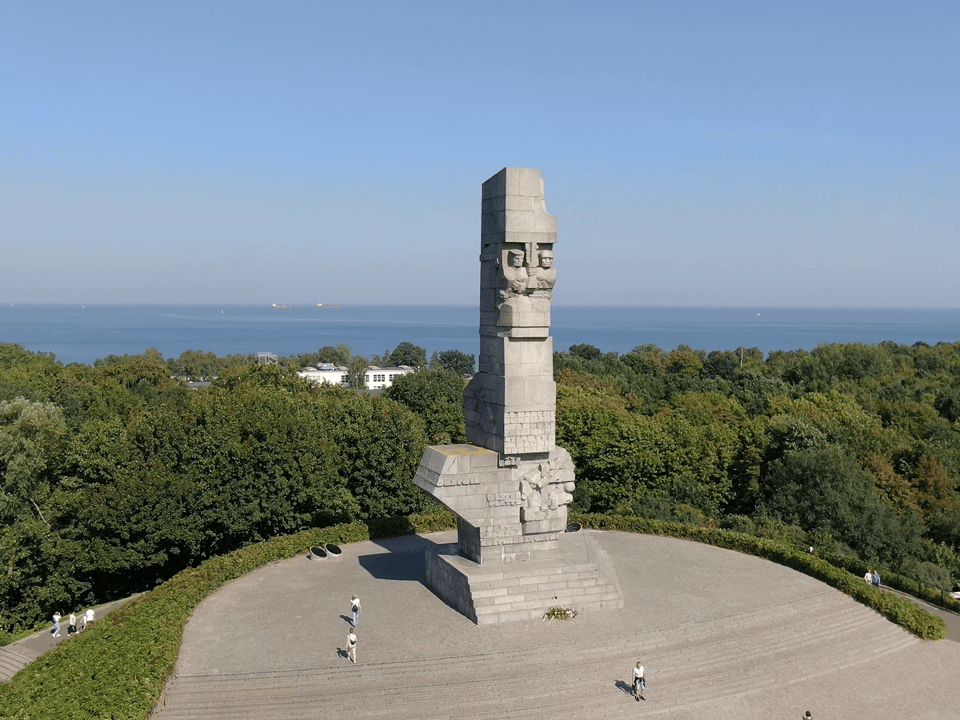
Westerplatte
Westerplatte is a small peninsula in the port of Gdańsk where the Second World War began. On 1 September 1939 the German battleship Schleswig-Holstein opened fire on the Polish military depot located there. The small Polish garrison defended the position for seven days despite overwhelming German forces.
Day 11: Departure
Flights from Gdańsk (airport transfers included), travel back to Poznań, or onward to Warsaw (train arrangements available).
Share this tour
Know someone who would love this journey?