

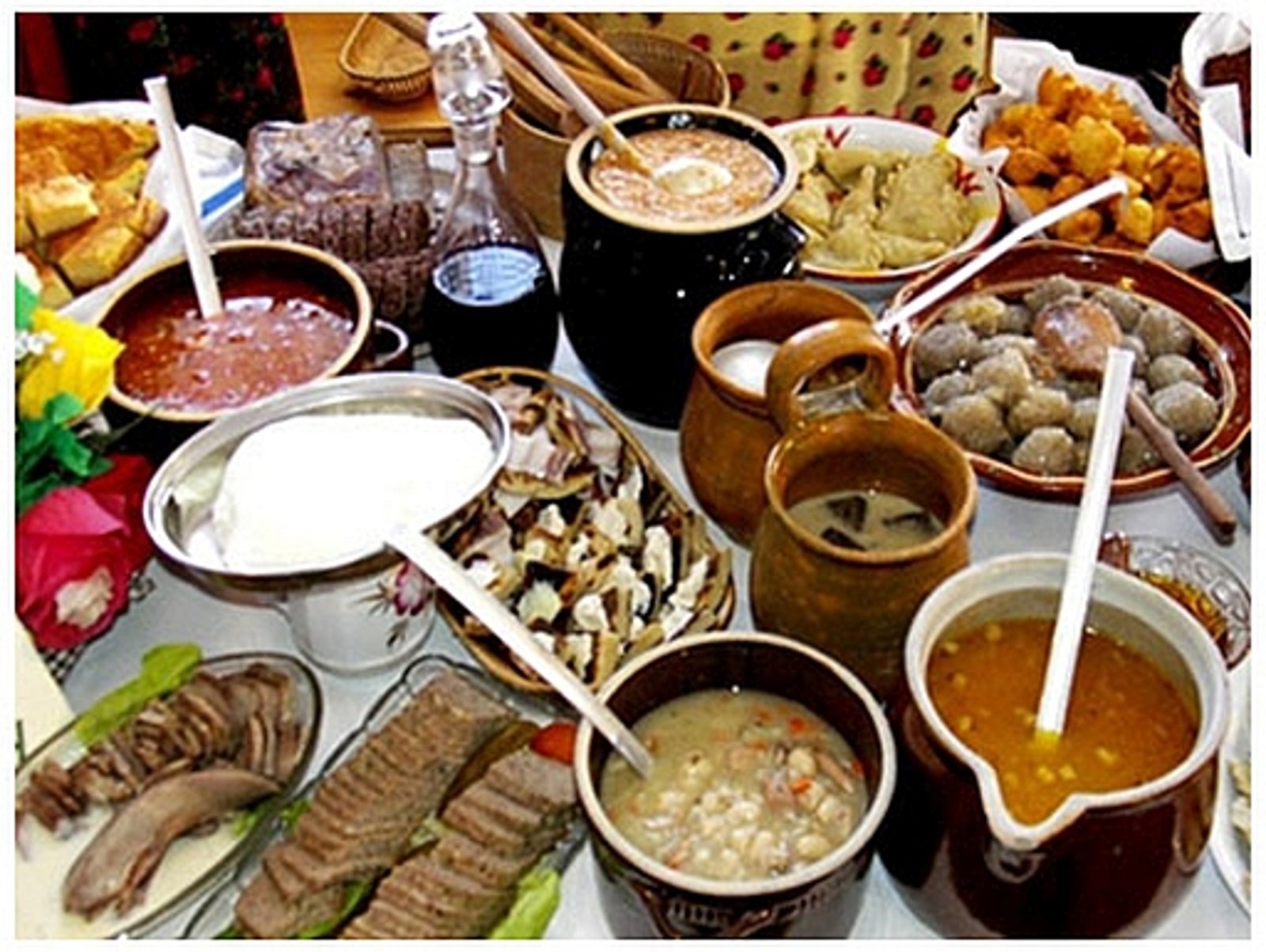
Photo 1 of 1
Tastes of Krakow
Or pick the individual days and attractions below — mix them with other inspirations from anywhere on the site.
Discover Lesser Poland through its food, traditions, and local communities. This small-group journey takes you beyond restaurants and tourist attractions, offering an introduction to the region’s culinary heritage and the people who continue to preserve it today.
Travel from the historic streets of Kraków to the mountain villages of Podhale, tasting regional specialties, visiting local producers, and learning about the traditions behind some of Poland’s most recognizable foods. Along the way, enjoy opportunities to sample traditional cheeses, breads, pastries, wines, and home-cooked dishes while exploring the cultural and historical landmarks that have shaped the region.
The itinerary combines food experiences with visits to places such as Zakopane, Wadowice, and the UNESCO-listed Wieliczka Salt Mine, providing a broader understanding of Lesser Poland’s history, culture, and way of life.
Designed for travelers who enjoy authentic experiences and meaningful connections with local culture, this tour offers a unique way to explore one of Poland’s most diverse and historically rich regions.
This is an example journey from a previous guest — not a group tour. There are no fixed dates or prices: take it as it is, or use it as a starting point and we'll build your trip around you.
Tour Itinerary
Explore our day-by-day journey through Poland's most captivating destinations. Each day is thoughtfully crafted to provide an immersive cultural experience.
You can add individual days or single attractions to your journey from here, mix them with other inspirations, and reorder everything to taste.
Day 1: Discover the Flavors of Kraków
2 attractions to visit
This is the first day of your culinary journey. You will experience many new and wonderful flavors of Polish food. The main attractions which our guide will show you today is the Old Kleparz – this is the oldest, continuously active market in Kraków, which attracts not only the local people but also it is a tourist attraction for visitors. You will also have the opportunity to learn more about the history of Krakow and taste Krakow’s delights.
Places you'll visit
Kazimierz District
Kazimierz was founded in the 14th century as a separate town by King Casimir III the Great. Over time it became the center of Jewish life in Kraków, particularly after Jewish communities were encouraged to settle there in the late Middle Ages.
Kraków Old Town
Kraków’s Old Town is one of the most historically important urban centers in Poland. For centuries Kraków served as the royal capital of the Polish Kingdom and the residence of Polish kings. The city flourished especially during the Middle Ages and the Renaissance when Poland was one of the largest states in Europe.
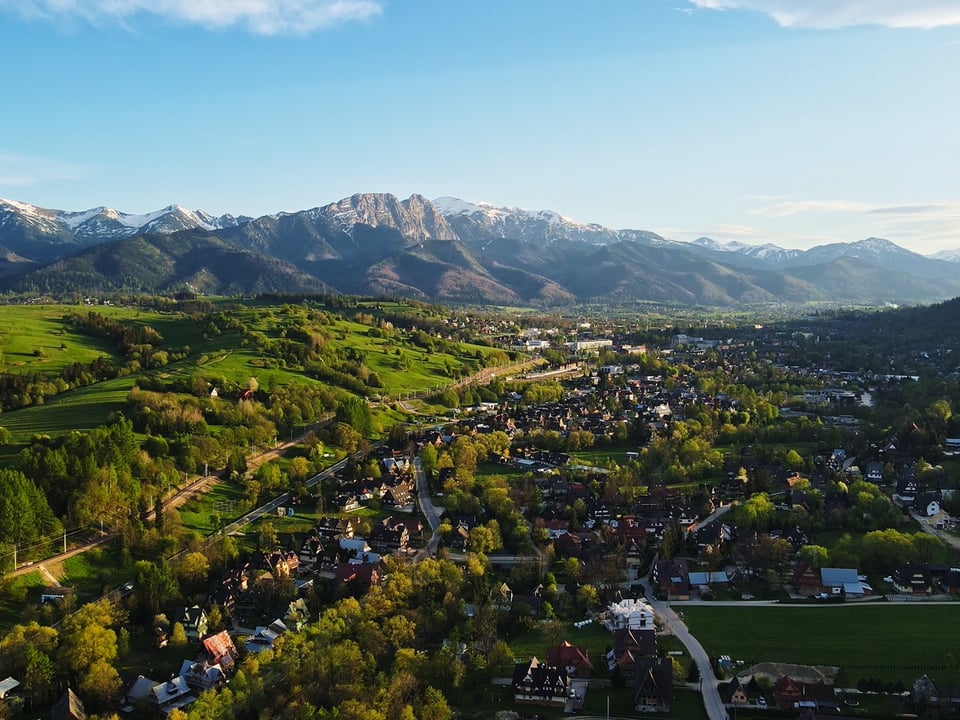
Day 2: Highland Traditions in Zakopane
2 attractions to visit
Today you will be traveling to see the Podhale Region with the most recognized places in Poland – Zakopane – here you will taste smoked cheese (oscypek) made from sheep’s milk, using the same process as a hundred years ago. We will also try to show you the beautiful surroundings – sightseeing in the oldest part of Zakopane, visit in the old cemetery in which almost all tombs are unique works of art, made of wood, metal or stone, and the oldest wooden church Matki Boskiej Częstochowskiej.
Places you'll visit
Gubałówka
Gubałówka is a mountain ridge overlooking Zakopane and the Tatra Mountains. In the early twentieth century the area became accessible thanks to the construction of a funicular railway, which helped transform Zakopane into a major tourist destination.
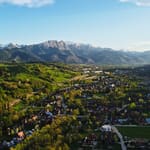
Zakopane
Zakopane developed in the 19th century as a mountain resort at the foot of the Tatra Mountains. During this period the town became popular among artists, writers, and intellectuals who were drawn by the landscape and the unique culture of the local highlanders known as the Górale.
Day 3: From Farm to Table
2 attractions to visit
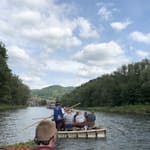
Today you will visit the Dunajec Castle and you will have the opportunity experience Dunajec river rafting on traditional wooden rafts. The rafting trip is one of the best-known attractions of this region. The daily raft trips have been organized by ‘gorale’, the highlanders since the early 19th century. You will have some Free Time in Zakopane to go for shopping – locally made handicrafts and go for a walk on Krupowki street – the main street in Zakopane. To celebrate the next day in beautiful Lesser Poland, you will enjoy a traditional highlanders dinner, in one of the local Zakopane restaurants, along with live Gorals band music.
Places you'll visit
Dunajec River Rafting
Rafting on the Dunajec River is one of the oldest tourist traditions in Poland. The route passes through the Pieniny Mountains, where the river cuts through steep limestone cliffs that form a dramatic natural gorge.
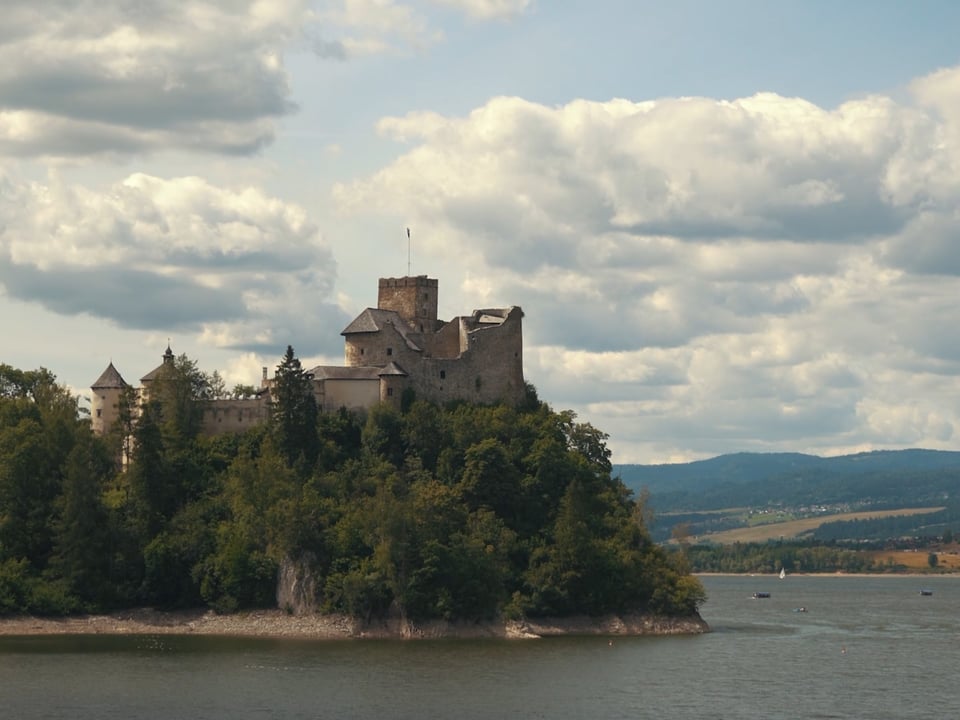
Niedzica Castle
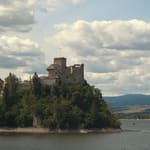
Niedzica Castle stands on a hill above the Dunajec River and dates back to the 14th century. The fortress was originally built by Hungarian nobles to guard an important trade route along the border between the Kingdom of Hungary and Poland.
Day 4: Vineyards and Regional Specialties
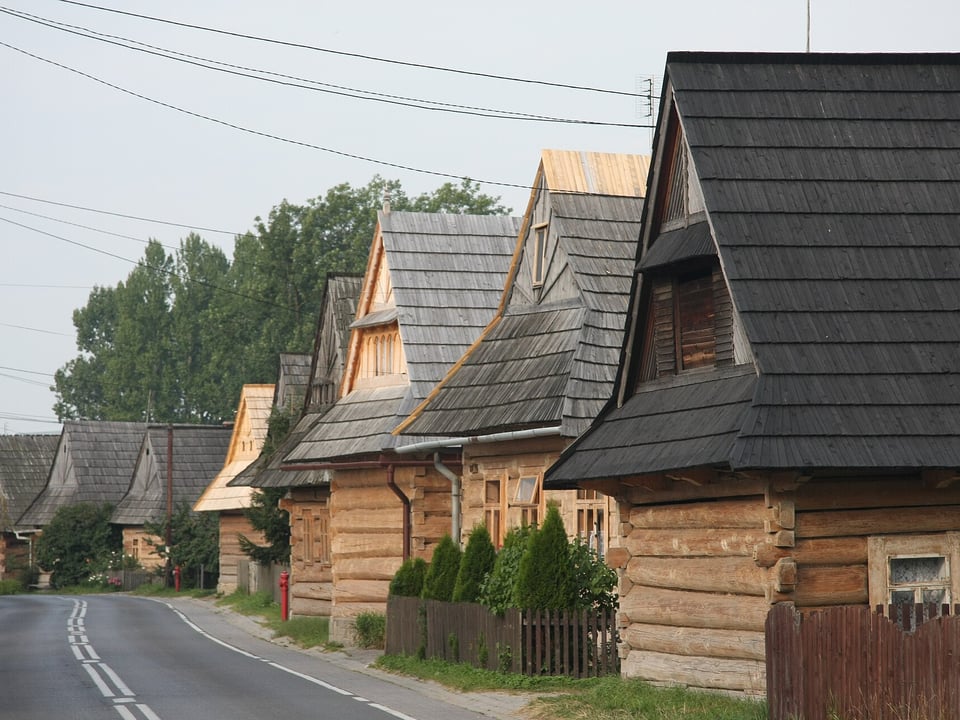
Today, we will attend a cooking class in one of the highlander villages in the Podhale region. We will organize a short ride to Chocholow, which is comprised almost exclusively of the original Polish Góral highlanders’ wooden houses, and visit a local folk sculptor and his private folk art museum. We will then sit down to a homemade lunch at a typical highlander ‘agrotourism farm’.
Day 5: Bread, Beer, and Sweet Traditions
Today we will give you the possibility to choose one of the attractions, among other places that we planned for you to see:
Brewery in Żywiec or
Family Home of John Paul II
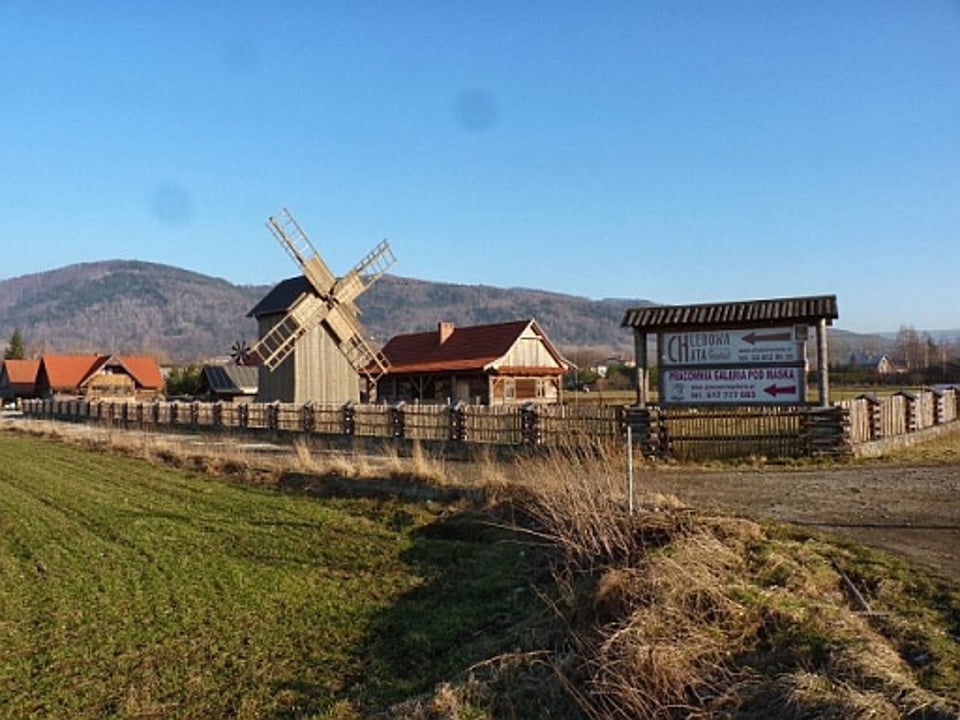
After breakfast, we will leave Lesser Poland for a moment to visit Bread Cottage in Silesia region (about 2 hours? and 30 minutes? drive from your hotel). On the way, you will have the opportunity to visit the Brewery in Żywiec, which is one of the most famous breweries in all Europe. After the visit, we will go to the aforementioned Bread Cottage in Górki Małe, which will take you back in time to show how your ancestors were preparing ‘podpłomyki’ – the most primitive form of bread are flour cakes baked in the ashes on hot stones, and later also on the grates and plates. When you already know the secrets of baking bread and have tried it’s delicious taste, we will take you to Wadowice (about 1-hour drive). There we can visit the Family Home of Pope John Paul II -who was a lover of cream cakes called ‘Kremówki papieskie’.
Day 6: Salt, History, and a Polish Farewell
2 attractions to visit
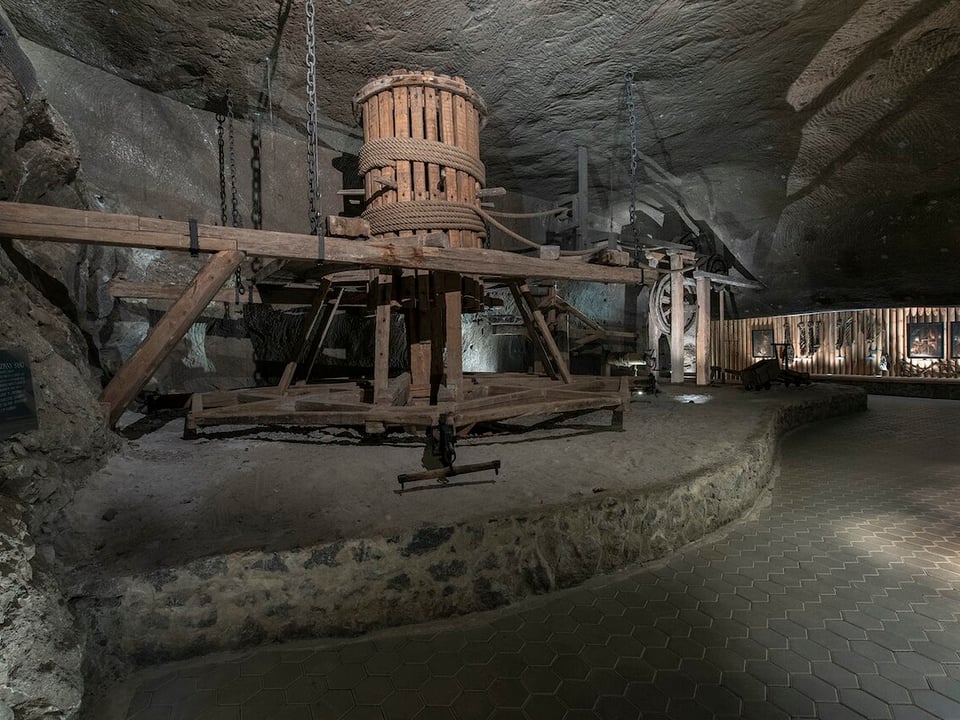
Today we will travel to the Wieliczka Salt Mine, to explore a wonderful underground world of salt chambers and sculptures. The Wieliczka salt mine has been producing table salt since the 13th century. It was one of the world’s oldest operating salt mines.
Morning travel to Wieliczka Salt Mine with your guide (about 30 minutes? drive)
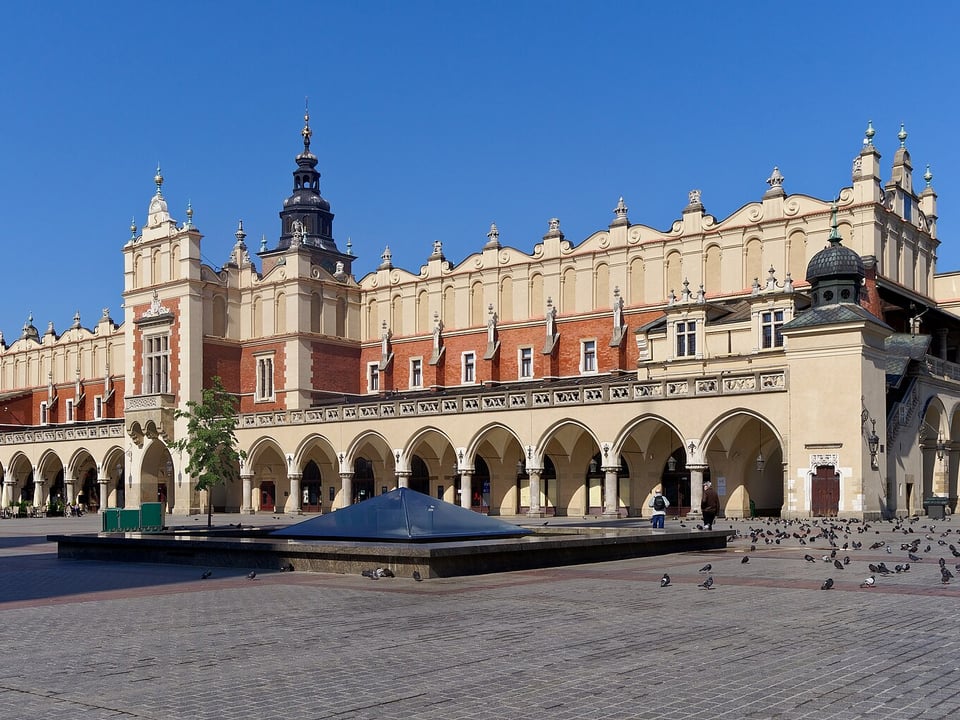
After your visit in Wieliczka, you will spend a free time in the Old Town of Kraków to enjoy the sights and shops of the city. We recommend seeing Kraków Cloth Hall (Sukiennice) which is the most recognizable icons of the city. It is the central feature of the main market square in the Kraków Old Town.
Places you'll visit
Wieliczka Salt Mine
The Wieliczka Salt Mine near Kraków has been in operation since the 13th century and for many centuries was one of the most important sources of wealth for the Polish Kingdom. Salt was once a highly valuable commodity, and the mine played a crucial role in the economy of medieval Poland.
Kraków Old Town
Kraków’s Old Town is one of the most historically important urban centers in Poland. For centuries Kraków served as the royal capital of the Polish Kingdom and the residence of Polish kings. The city flourished especially during the Middle Ages and the Renaissance when Poland was one of the largest states in Europe.
Share this tour
Know someone who would love this journey?