

Photo 1 of 4
Dobšinská Ice Cave
- Slovakia
- About 4 hours
- Cave
- Geology
- Nature
- UNESCO World Heritage List
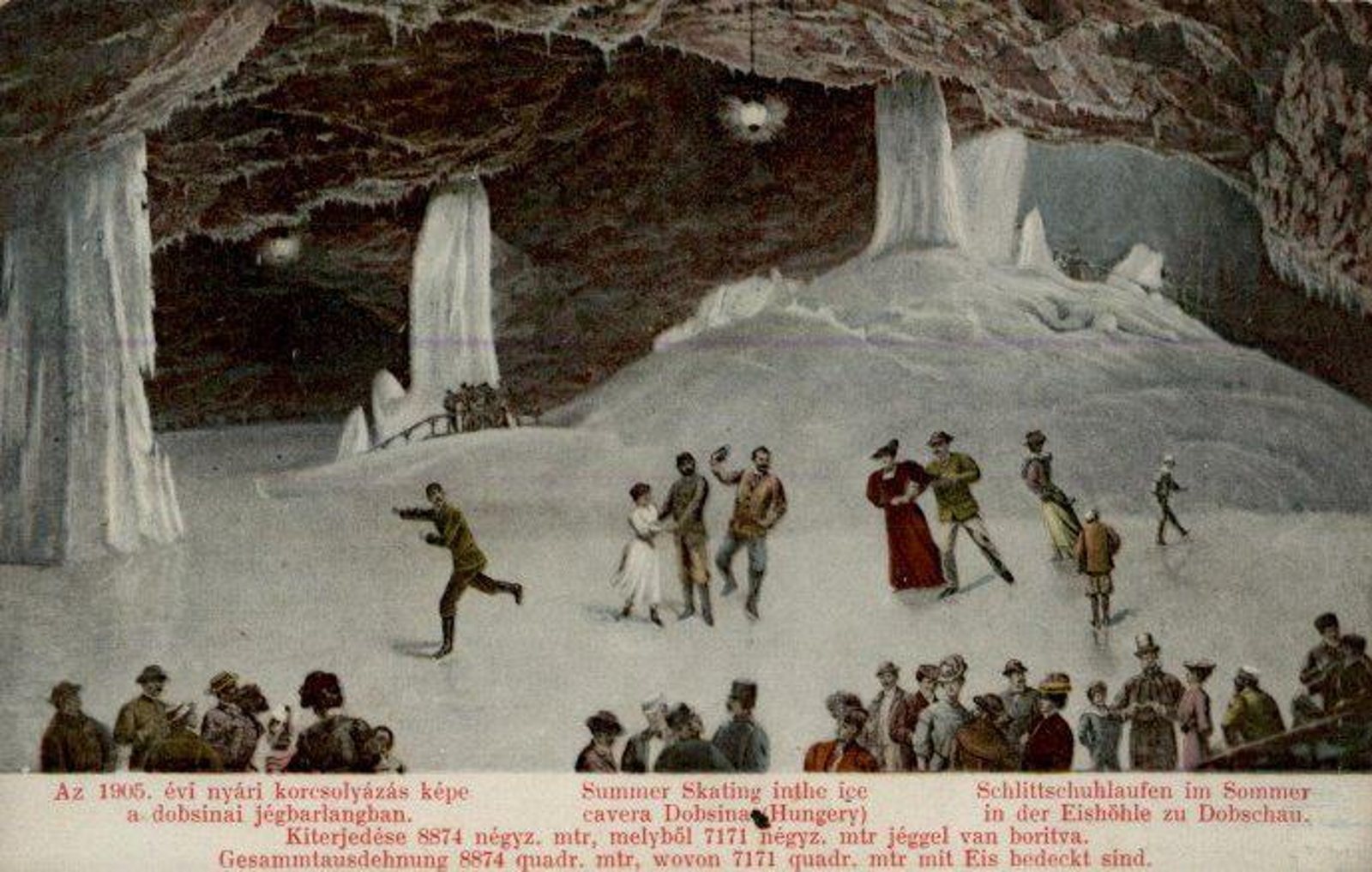
Discovered in 1870 by the mineralogist Eugen Ruffinyi, the Dobšinská Ice Cave was opened to the public just a year later and was among the first caves in Europe to be lit with electric light, in 1887. It belongs to the UNESCO-listed Caves of Aggtelek Karst and Slovak Karst.
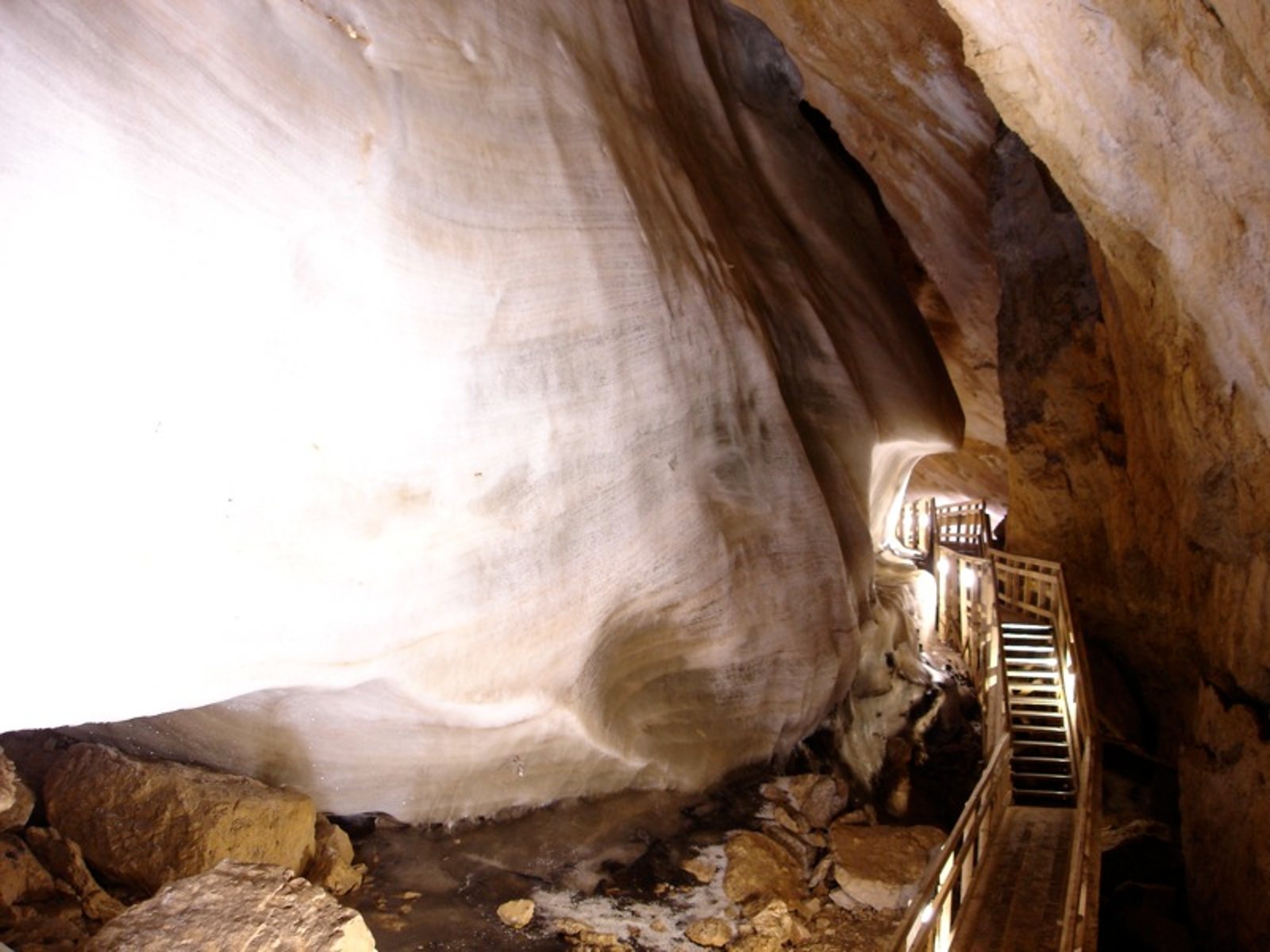
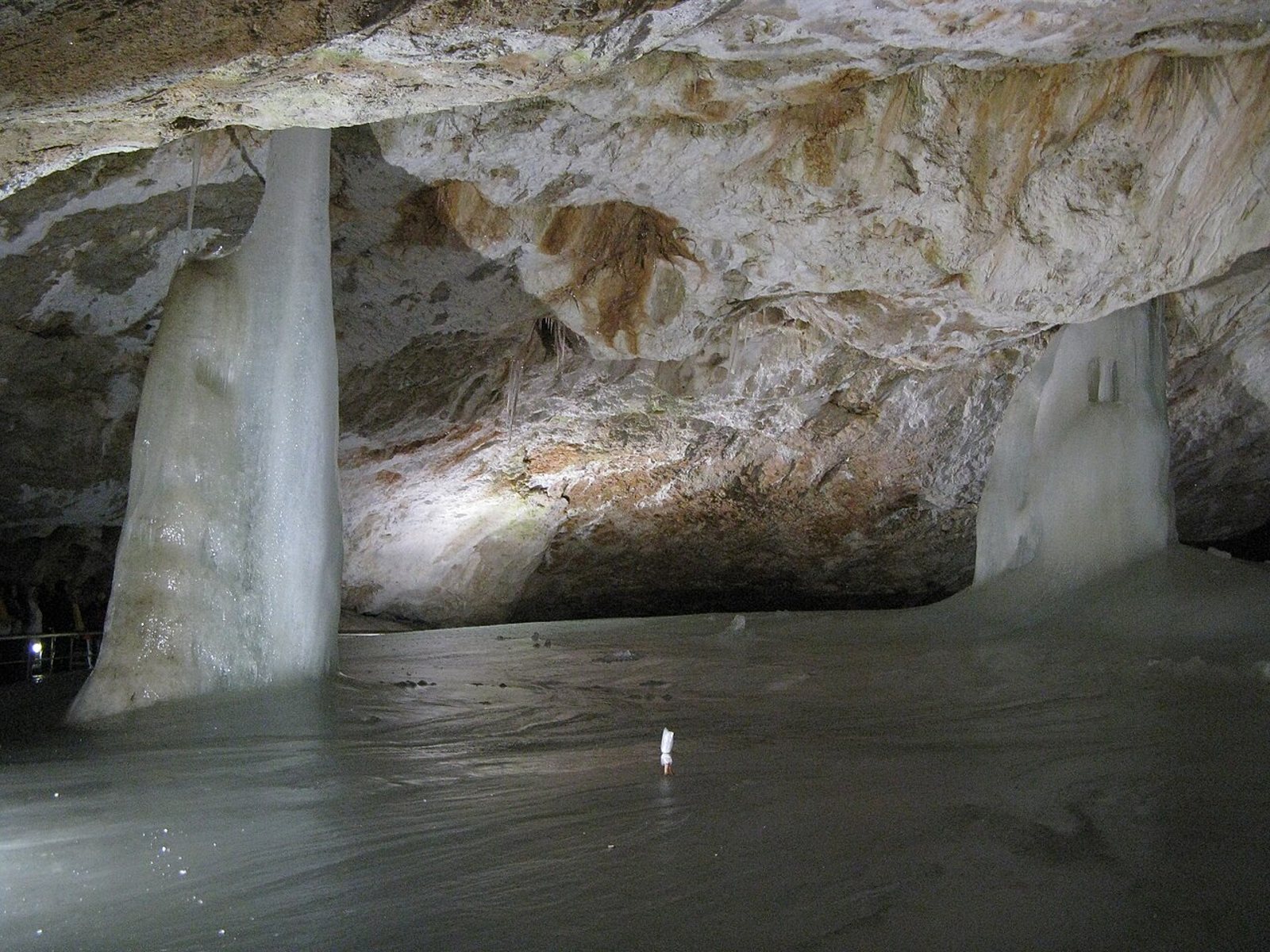
The cave is one of the world's most important ice caves, and its frozen halls hold a massive ice filling that has remained for thousands of years. Visitors descend on a well-built walkway through chambers of glittering ice columns and frozen waterfalls. The temperature is close to freezing, so warm clothing is essential, and the cave is open only in the warmer part of the year.
Plan a journey around Dobšinská Ice Cave
Tell us what else you'd like to see. Your Tour Manager plans a private route around this place, at your pace, and looks after every detail.
More places nearby
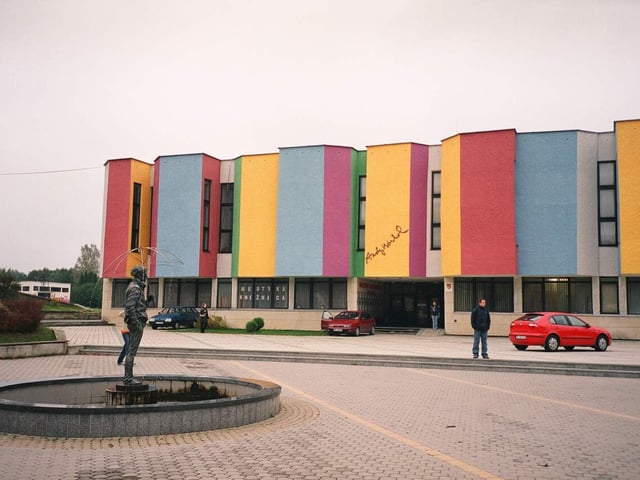 Andy Warhol Museum of Modern Art in Medzilaborce Slovakia
Andy Warhol, one of the most famous figures of American pop art, was born in Pittsburgh in 1928 to a family of Rusyn immigrants from the village of Miková in what is now eastern Slovakia.
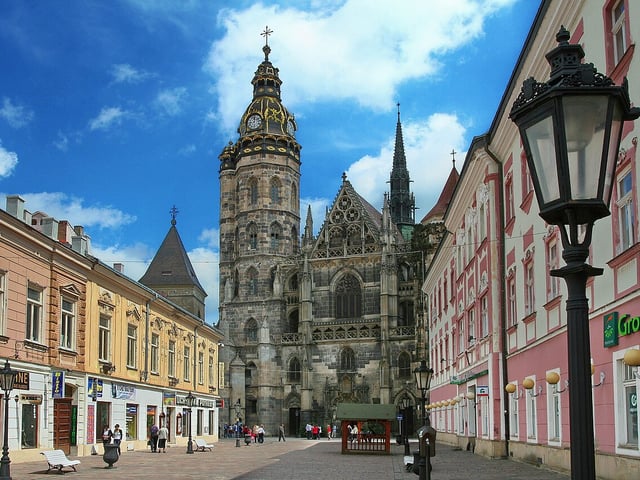 Košice Slovakia
Košice was one of the most important cities of the medieval Kingdom of Hungary and in 1369 became the first city in Europe to receive its own coat of arms. Its great landmark is the Cathedral of St.
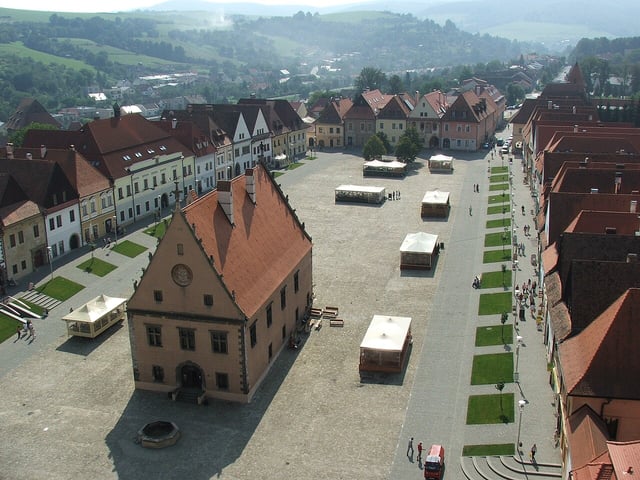 Bardejov Slovakia
Bardejov was granted the status of a royal free town in the 14th century and prospered thanks to the linen trade with Poland, which connected it to cities such as Kraków. The wealth of its merchants is visible in the Gothic Basilica of St.
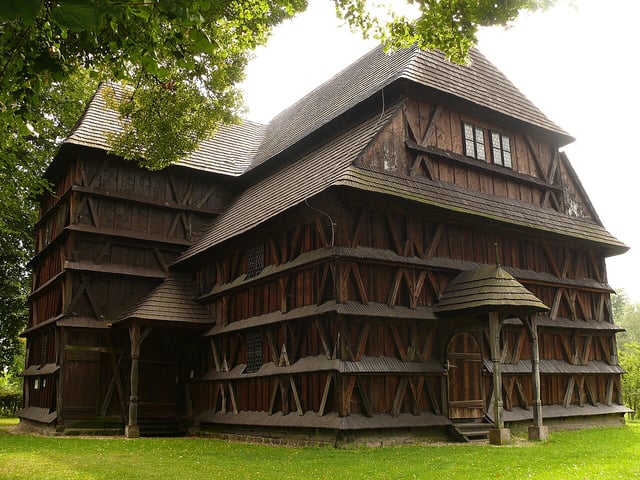 Wooden Churches of the Slovak Carpathians Slovakia
Between the 16th and 18th centuries, villagers of the Carpathian region built remarkable wooden churches for Catholic, Lutheran, Greek Catholic, and Orthodox communities, each reflecting the traditions of its faith.
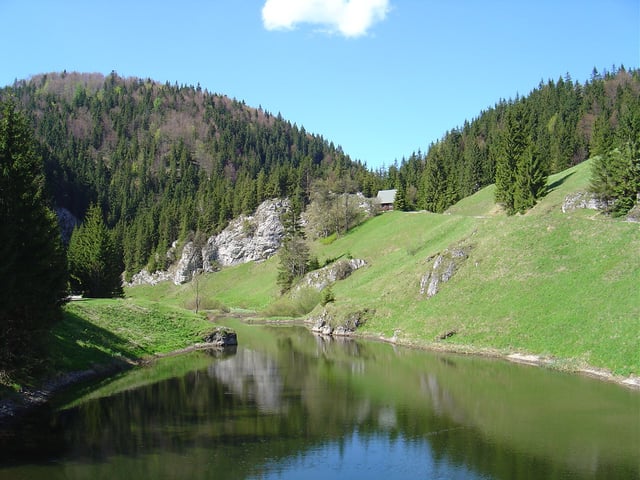 Slovak Paradise Slovakia
The Slovak Paradise is a national park formed by countless gorges, canyons, and waterfalls that the Hornád River and its tributaries carved into the limestone over millions of years.
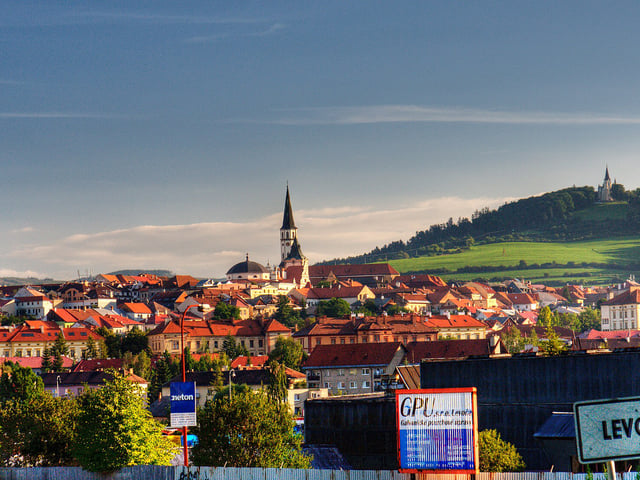 Levoča Slovakia
Levoča was founded in the 13th century by German settlers, the Spiš Saxons, after the Mongol invasion devastated the region. The town grew wealthy thanks to trade and was protected by extensive walls, which still surround its historic core.