
Places we love
102 places across Poland and Central and Eastern Europe, each one worth a journey of its own. Open any of them to see what it feels like, which tours include it, and what else is close by. Then browse ready-made inspirations or craft your own journey.
Poland
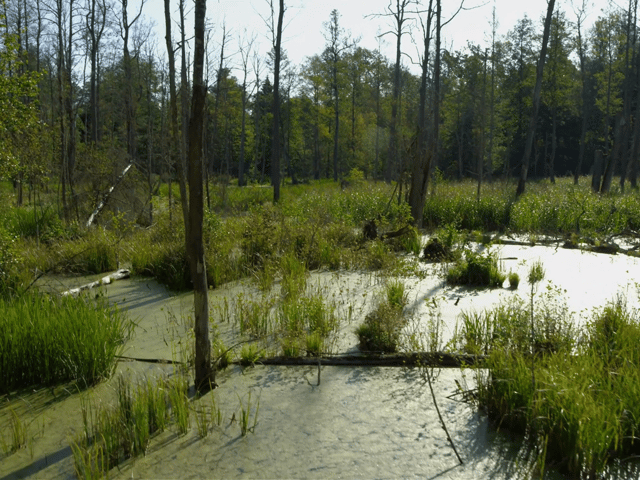 Białowieża Białowieża Forest
Białowieża Forest is one of the last remaining fragments of the primeval forests that once covered much of Europe. For centuries the forest was protected as a royal hunting ground by Polish kings and later by Russian tsars when the region was under imperial rule.
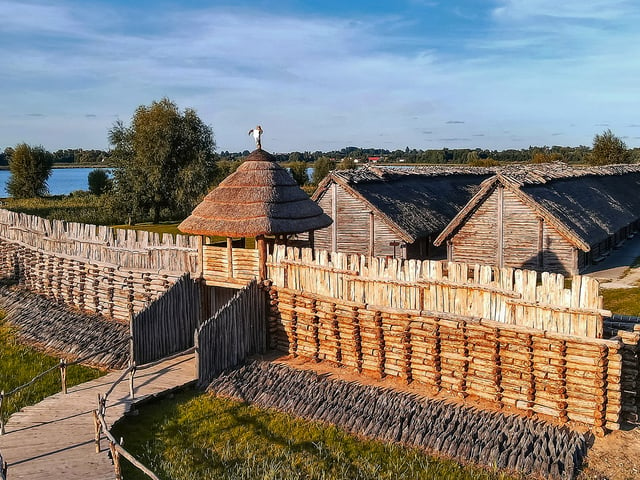 Biskupin Biskupin Archaeological Park
Biskupin is one of the most famous archaeological sites in Poland and represents a well preserved settlement from the Iron Age. The site dates back to around the 8th century BCE and belonged to the Lusatian culture, a prehistoric community that inhabited parts of Central Europe.
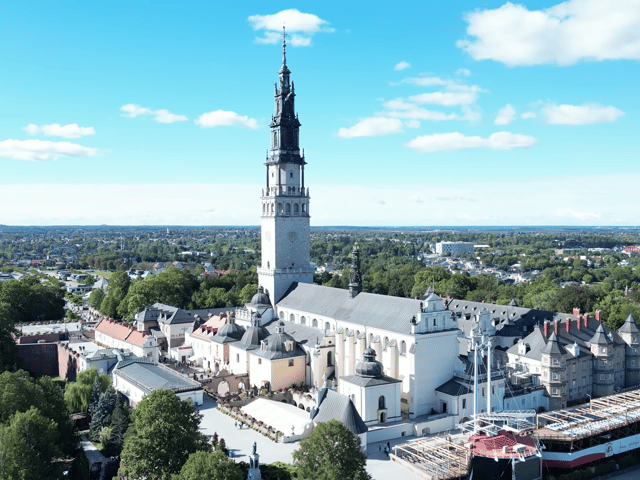 Częstochowa Jasna Góra Monastery
Jasna Góra in Częstochowa is one of the most important religious sites in Poland and the country’s main center of Catholic pilgrimage. The monastery was founded in the 14th century by the Pauline monks and became famous for the icon of the Black Madonna, which is believed by many believers to possess miraculous powers.
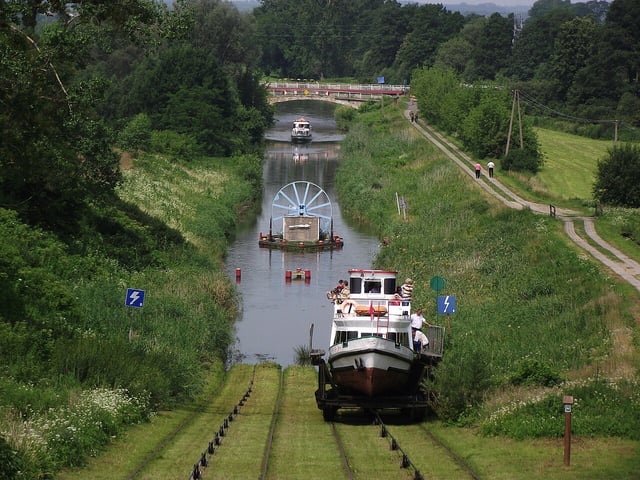 Elbląg Canal Elbląg Canal Cruise
The Elbląg Canal is one of the most unusual engineering projects in Europe. Built in the 19th century, the canal was designed to connect inland lakes with the Baltic Sea and allow goods to be transported between them.
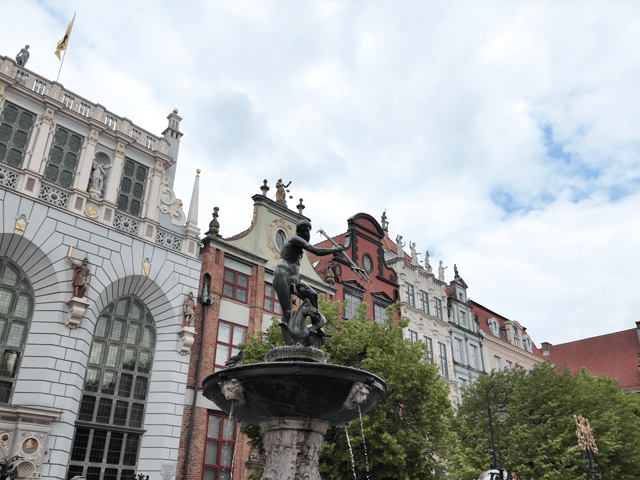 Gdańsk Gdańsk Old Town
The historic center of Gdańsk reflects centuries of trade, political conflict, and cultural exchange on the Baltic Sea. The city became one of the most important ports of the Hanseatic League and later a key trading center of the Polish–Lithuanian Commonwealth.
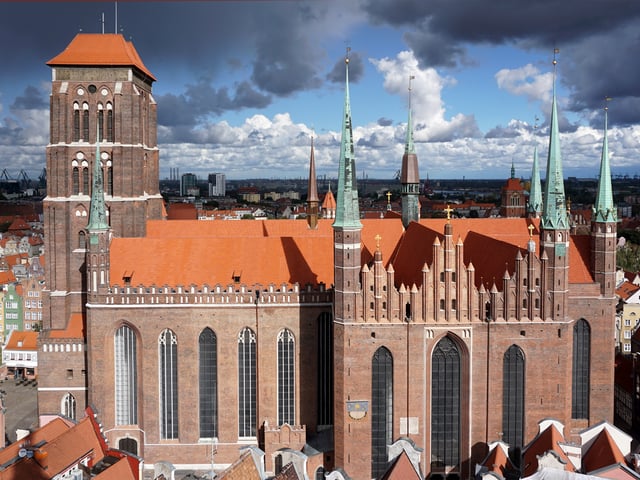 Gdańsk St. Mary’s Church
St. Mary’s Church in Gdańsk is one of the largest brick churches in the world and one of the most impressive examples of Gothic architecture in the Baltic region. Construction began in the 14th century when Gdańsk was a wealthy trading city connected with the Hanseatic League.
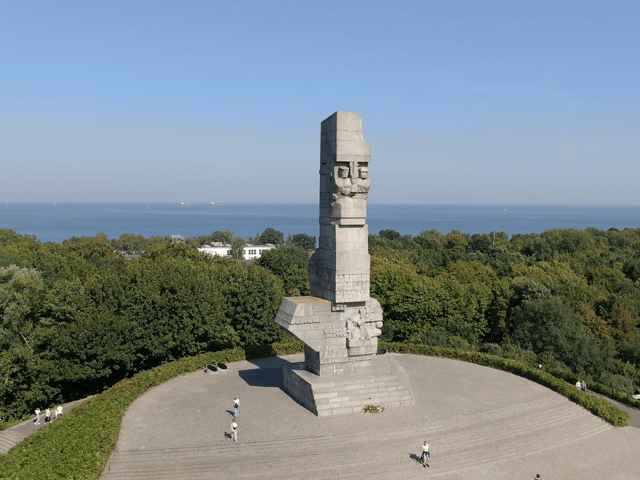 Gdańsk Westerplatte
Westerplatte is a small peninsula in the port of Gdańsk where the Second World War began. On 1 September 1939 the German battleship Schleswig-Holstein opened fire on the Polish military depot located there. The small Polish garrison defended the position for seven days despite overwhelming German forces.
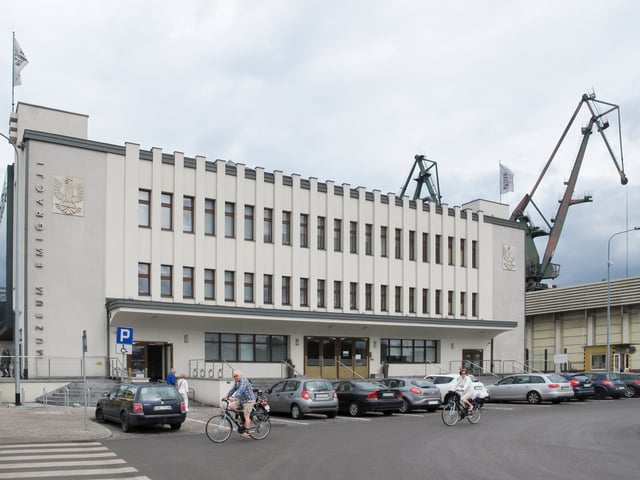 Gdynia Emigration Museum
The Emigration Museum in Gdynia tells the story of millions of people who left Poland in search of a new life abroad. In the late nineteenth and early twentieth centuries large waves of Polish emigrants traveled to the United States, Canada, and South America.
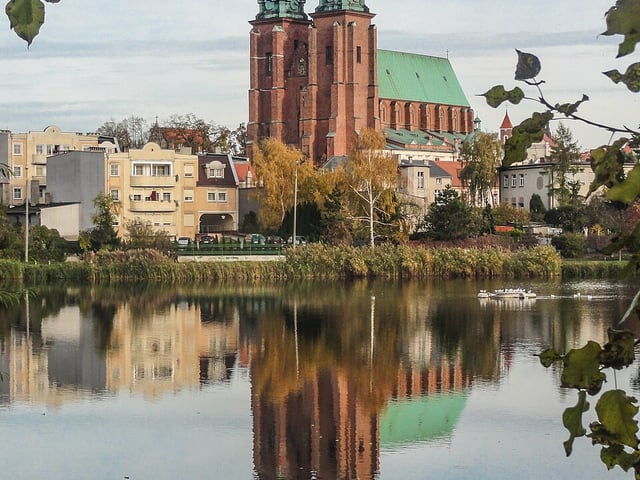 Gniezno Gniezno Cathedral
Gniezno Cathedral is one of the most historically important churches in Poland. In the early Middle Ages Gniezno served as the first capital of the Polish state and the seat of the archbishop, making it a major religious center.
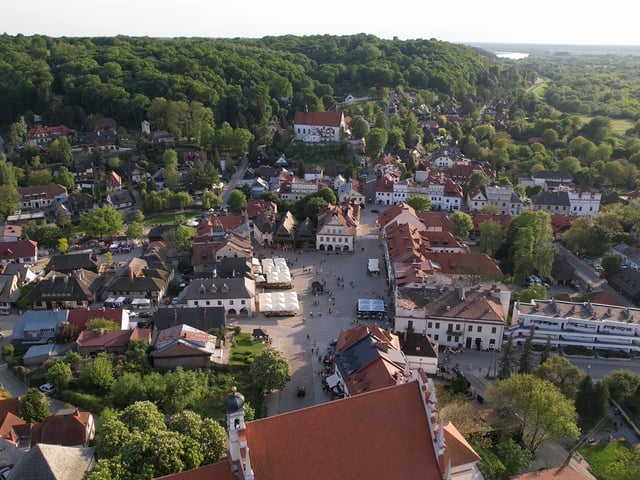 Kazimierz Dolny Kazimierz Dolny
Kazimierz Dolny is one of the most picturesque towns in Poland, located on the banks of the Vistula River. During the 16th and 17th centuries the town prospered as an important trading port where grain from the interior of the Polish–Lithuanian Commonwealth was shipped down the river toward the Baltic Sea.
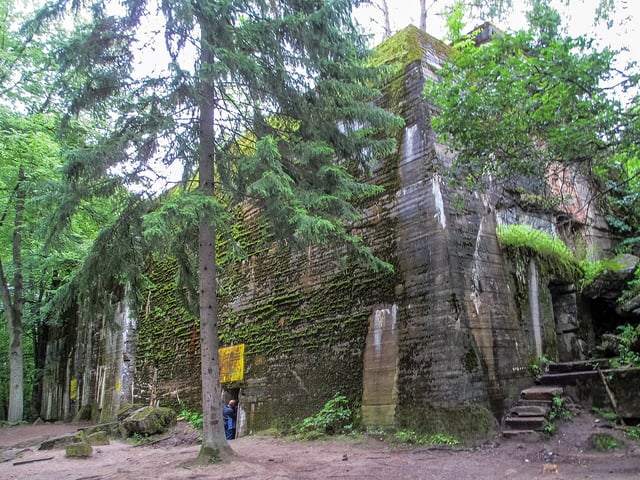 Kętrzyn Wolf’s Lair
The Wolf’s Lair near the village of Gierłoż was Adolf Hitler’s main military headquarters on the Eastern Front during the Second World War. The complex was built in a heavily forested area of what was then East Prussia and consisted of bunkers, command buildings, and military infrastructure.
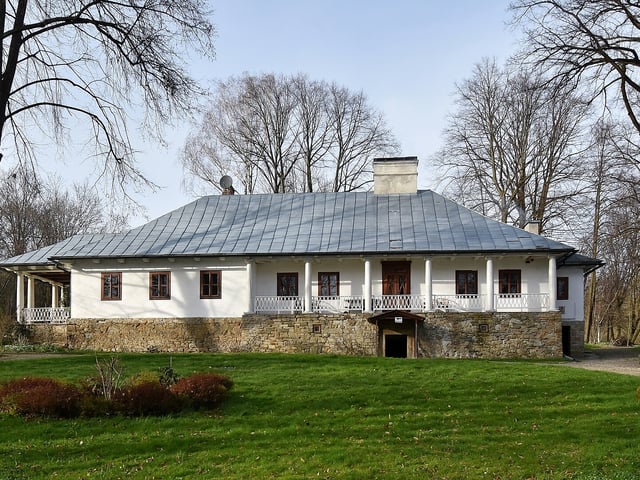 Kopytowa Museum of Noble Culture in Kopytowa
The private museum in Kopytowa is dedicated to the traditions and culture of the Polish nobility, known historically as the szlachta. For several centuries the nobility played a central role in the political system of the Polish–Lithuanian Commonwealth.
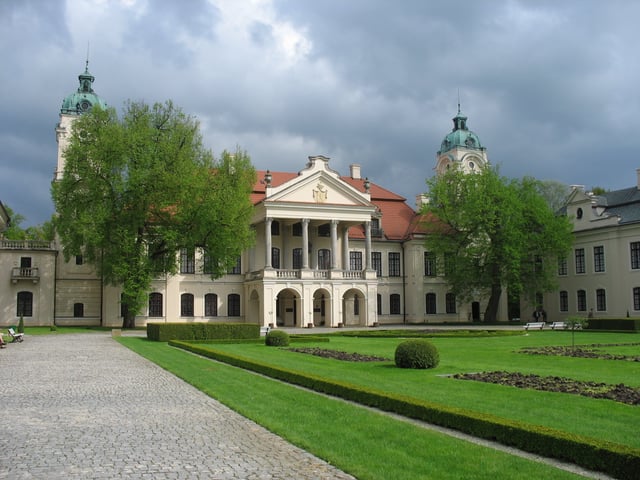 Kozłówka Kozłówka Palace (Zamoyski Residence)
The palace in Kozłówka was built in the 18th century and later became the residence of the aristocratic Zamoyski family, one of the most influential noble families in Poland.
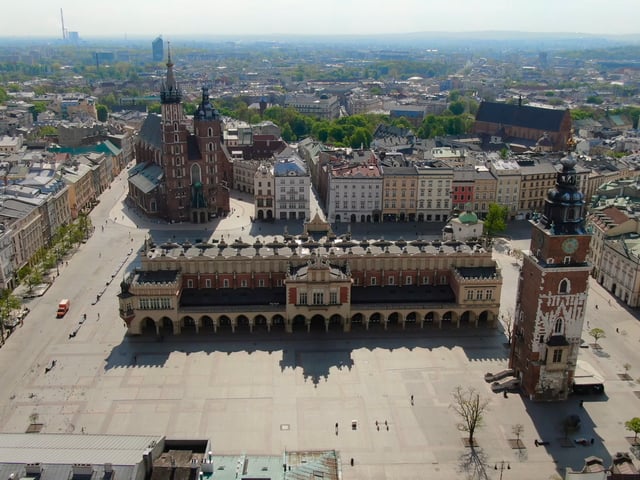 Krakow Cloth Hall (Sukiennice)
The Cloth Hall stands in the center of Kraków’s Main Market Square and has been one of the most recognizable symbols of the city for centuries. The original trading hall was established in the 13th century when Kraków was an important commercial center connecting trade routes between Eastern and Western Europe.
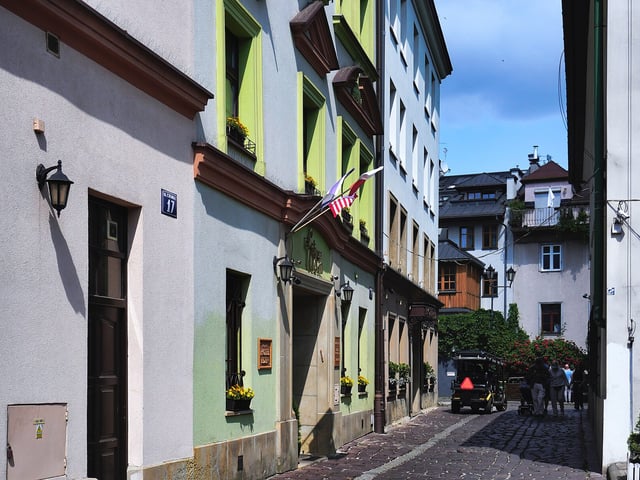 Krakow Kazimierz District
Kazimierz was founded in the 14th century as a separate town by King Casimir III the Great. Over time it became the center of Jewish life in Kraków, particularly after Jewish communities were encouraged to settle there in the late Middle Ages.
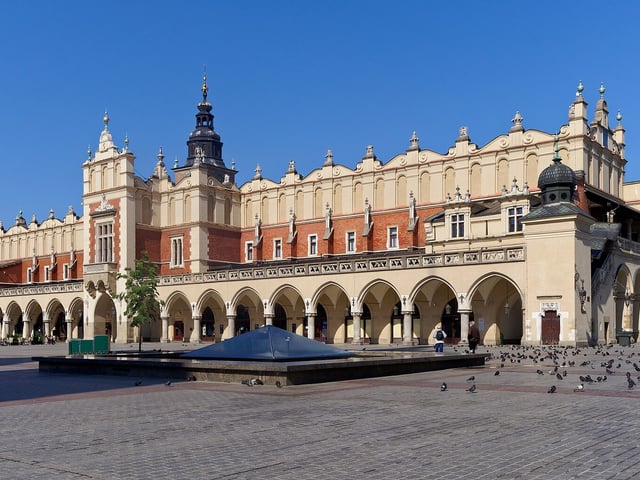 Krakow Kraków Old Town
Kraków’s Old Town is one of the most historically important urban centers in Poland. For centuries Kraków served as the royal capital of the Polish Kingdom and the residence of Polish kings. The city flourished especially during the Middle Ages and the Renaissance when Poland was one of the largest states in Europe.
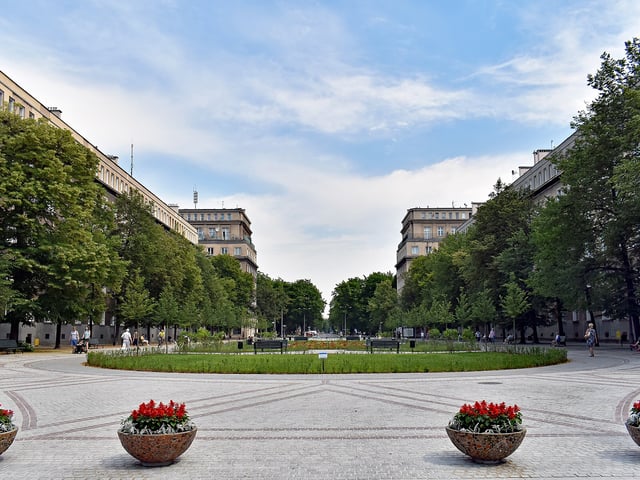 Krakow Nowa Huta
Nowa Huta was built after the Second World War as a model socialist city during the communist period in Poland. Construction began in the late 1940s, when the authorities of the Polish People’s Republic decided to build a large industrial district centered around a massive steelworks.
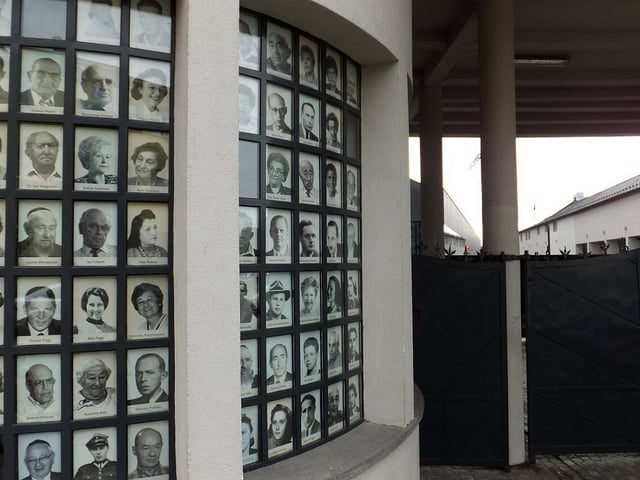 Krakow Oskar Schindler Museum
The Oskar Schindler Museum is located in the former enamel factory owned by the German industrialist Oskar Schindler during the Second World War. Schindler employed Jewish workers in his factory and managed to save more than one thousand people from deportation to Nazi concentration camps.
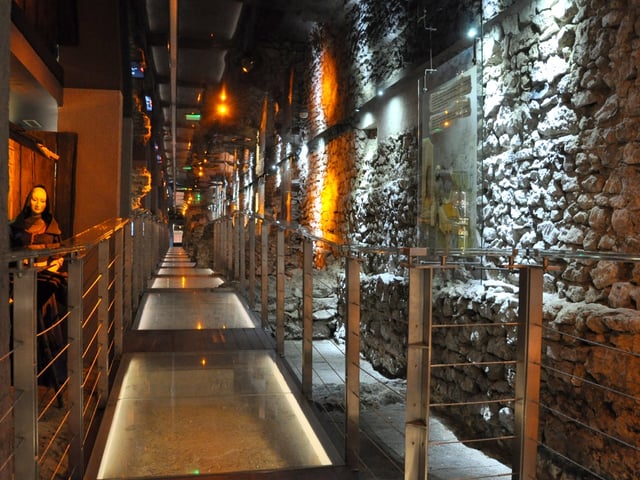 Krakow Rynek Underground Museum
The Rynek Underground Museum is located beneath Kraków’s main market square and reveals the archaeological remains of the medieval city. Excavations carried out in the early twenty first century uncovered streets, buildings, and everyday objects dating back several centuries.
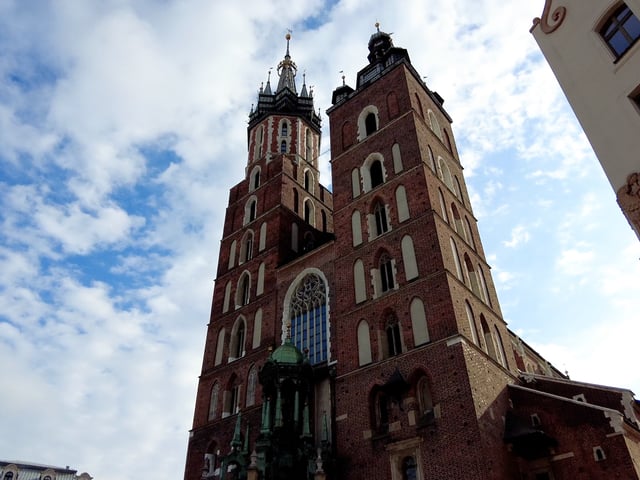 Krakow St. Mary’s Basilica
St. Mary’s Basilica stands on the main square of Kraków and is one of the city’s most recognizable landmarks. The Gothic church was built between the 13th and 15th centuries and became closely connected with the religious life of the city.
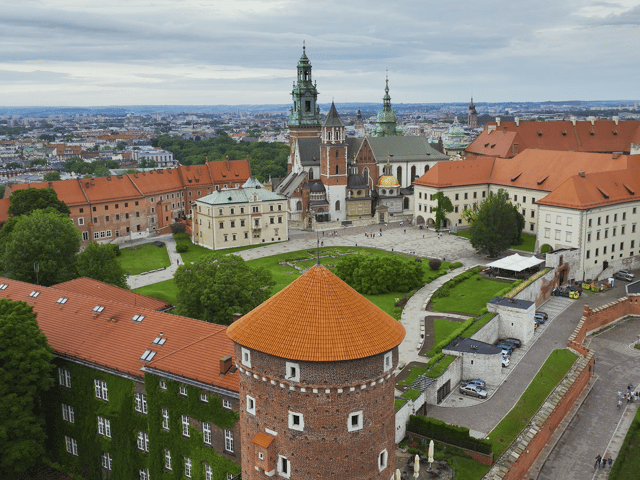 Krakow Wawel Castle
Wawel Castle stands on Wawel Hill above the Vistula River and for centuries served as the main residence of Polish kings. The earliest fortifications on the hill date back to the early Middle Ages, but the castle developed into a royal residence during the reign of the Jagiellonian dynasty in the 15th and 16th centurie
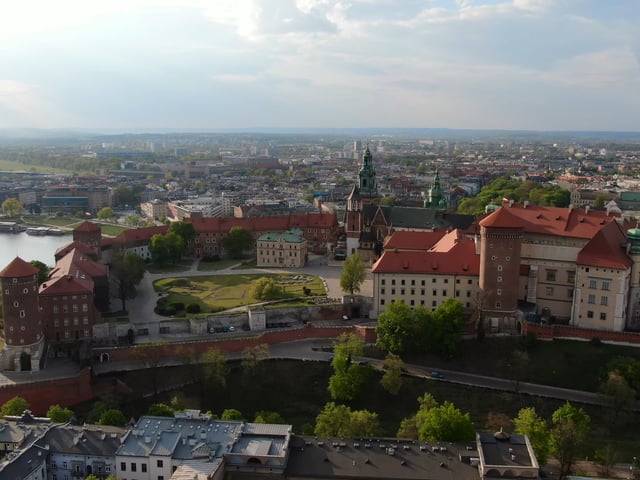 Krakow Wawel Hill
Wawel Hill rises above the Vistula River and has been the political and symbolic heart of Poland for centuries. According to legend it is also the place where the mythical Wawel Dragon once lived.
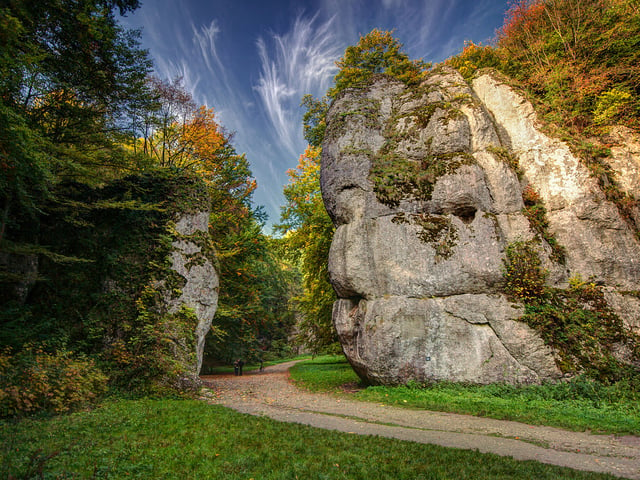 Kraków-Częstochowa Upland Kraków-Częstochowa Upland
The Kraków-Częstochowa Upland is a limestone plateau in southern Poland known for its distinctive rock formations, caves, and medieval castle ruins. The region became strategically important during the Middle Ages when a chain of fortresses was built here to defend the western borders of the Polish Kingdom.
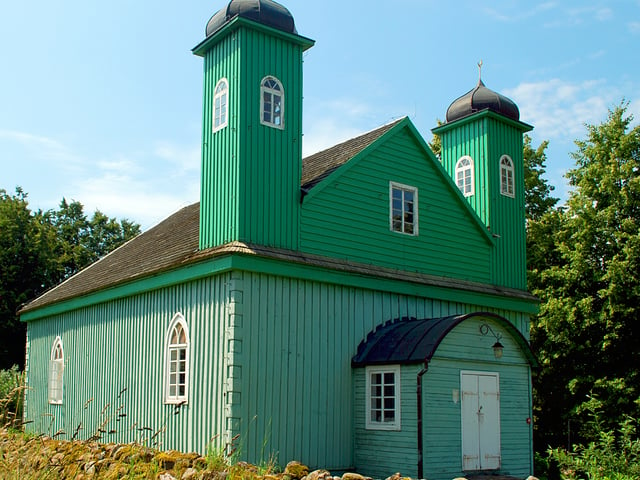 Kruszyniany Kruszyniany Tatar Mosque
The wooden mosque in the village of Kruszyniany is one of the oldest Muslim places of worship in Poland. It was built in the 18th century by Lipka Tatars, a Muslim community that had settled in the Polish–Lithuanian Commonwealth centuries earlier and served in the Polish military.
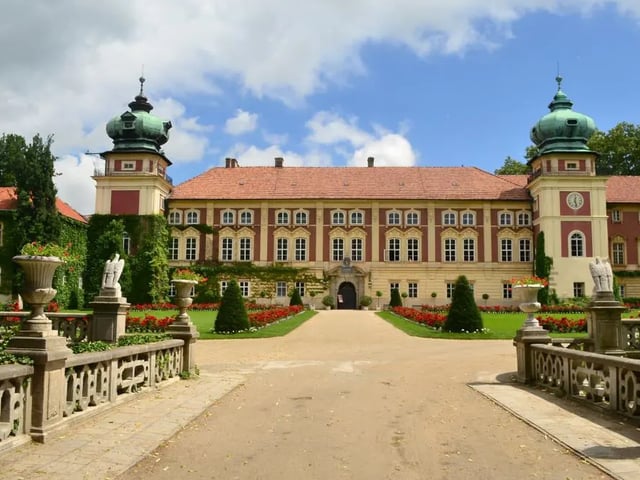 Łańcut Łańcut Castle
Łańcut Castle is one of the most impressive aristocratic residences in Poland. The castle was originally built in the 17th century and later transformed into a luxurious palace by the powerful Lubomirski and Potocki families. Over time the complex became famous for its refined interiors and extensive art collections.
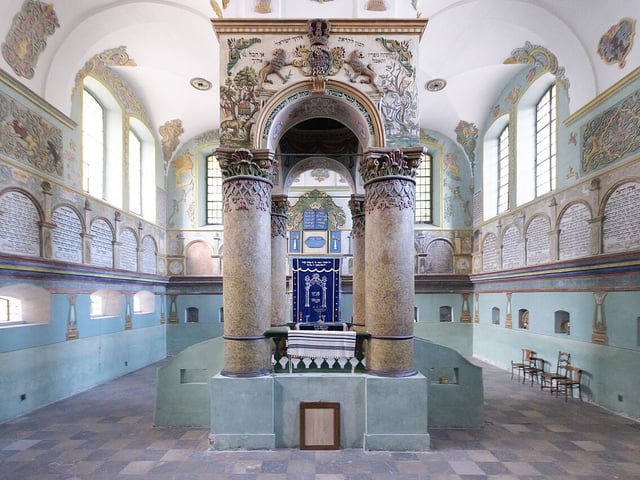 Łańcut Łańcut Synagogue
The synagogue in Łańcut is one of the best preserved examples of Baroque synagogue architecture in Poland. Built in the 18th century, it served as the religious center for a once thriving Jewish community that played an important role in the town’s economic and cultural life.
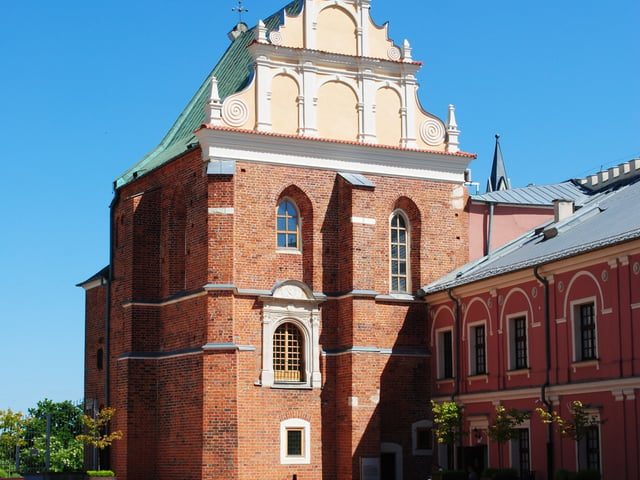 Lublin Holy Trinity Chapel
The Holy Trinity Chapel inside Lublin Castle is one of the most unusual monuments of medieval art in Central Europe. Built in the 14th century as a Roman Catholic chapel, it was later decorated with Byzantine style frescoes commissioned by King Władysław Jagiełło in 1418.
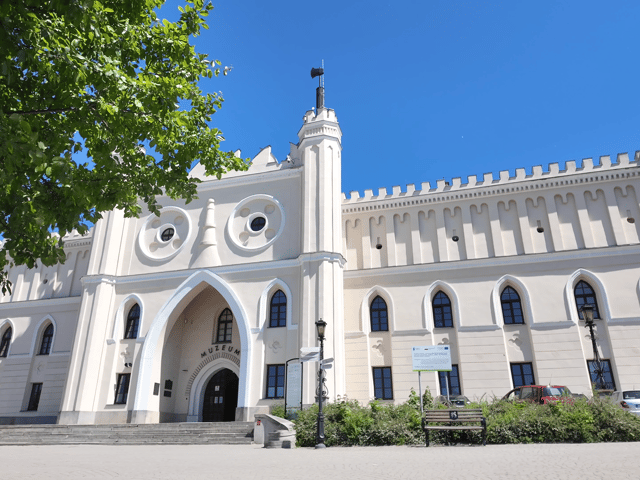 Lublin Lublin Castle
Lublin Castle stands on a hill at the edge of the Old Town and has been an important political and administrative center since the Middle Ages. The original fortress was built in the 12th century to protect the eastern borders of the Polish state.
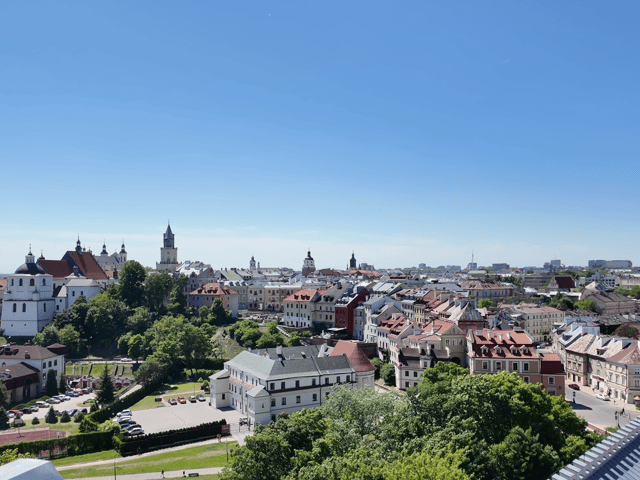 Lublin Lublin Old Town
Lublin’s Old Town reflects the city’s long history as an important political and commercial center in eastern Poland. The city gained particular importance in 1569 when the Union of Lublin was signed here, creating the Polish–Lithuanian Commonwealth.
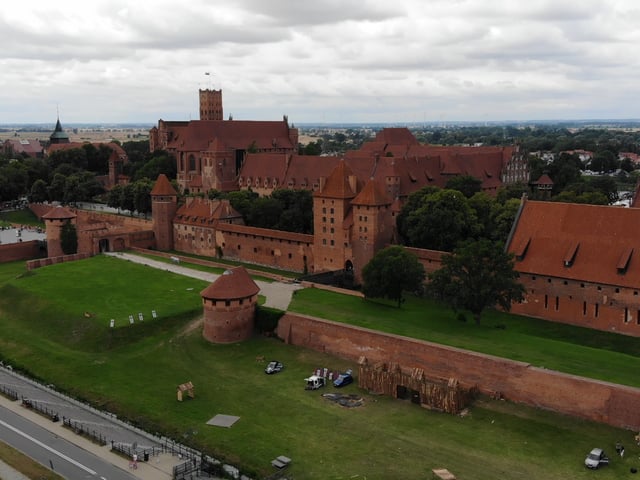 Malbork Malbork Castle
The Teutonic Castle in Malbork is one of the largest and best-preserved examples of Gothic architecture in Europe. Inscribed on the UNESCO World Heritage List
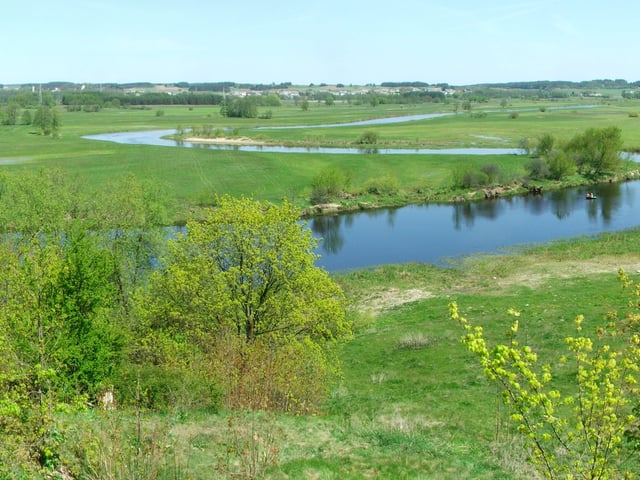 Narew River Boat Ride on the Narew River
A boat ride on the Narew is a slow journey through wetlands, meadows, and quiet villages. Instead of large cities or monuments, the landscape is dominated by open water, reeds, and birdlife. It is one of the best places in Poland to observe traditional river landscapes that have changed very little over time.
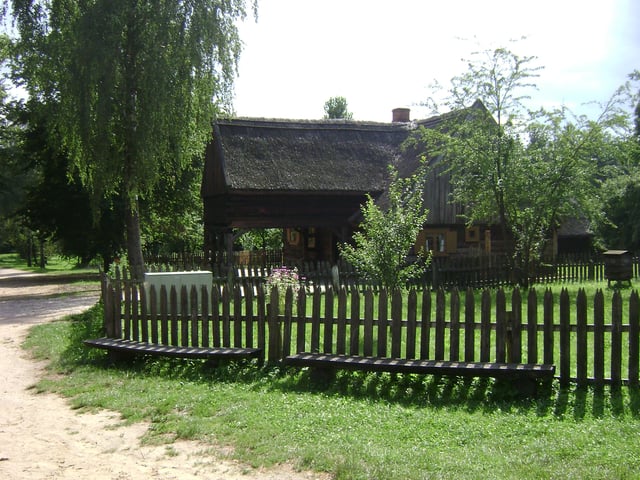 Olsztynek Olsztynek Ethnographic Park
The Ethnographic Park in Olsztynek is one of the oldest open air museums in Poland. The museum was established in the early twentieth century to preserve traditional architecture from the regions of Warmia, Masuria, and surrounding areas that historically formed a borderland between Polish and German cultural influence
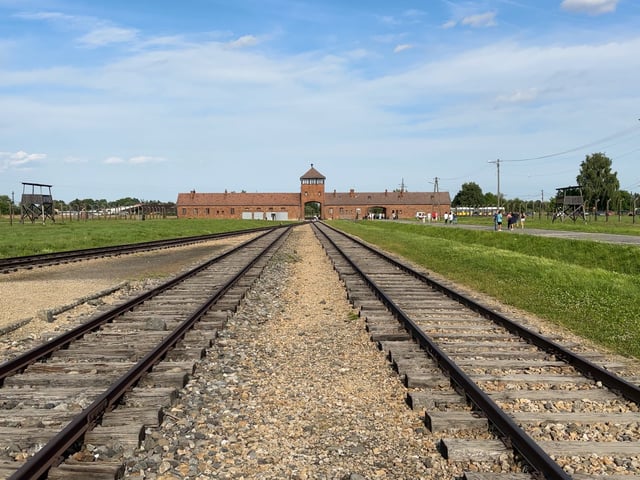 Oświęcim Auschwitz-Birkenau Museum
Auschwitz-Birkenau is the largest Nazi concentration and extermination camp established by Germany during the Second World War. Located near the town of Oświęcim in occupied Poland, the camp became the central site of the Holocaust. More than one million people, were murdered here between 1940 and 1945.
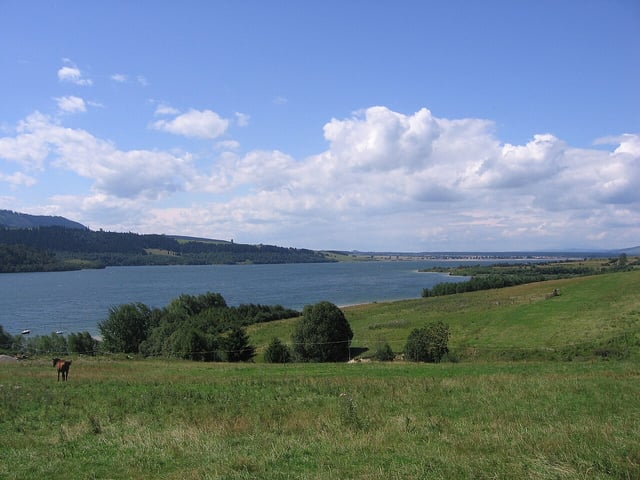 Pieniny Mountains Czorsztyn Lake
Czorsztyn Lake is an artificial reservoir created in the 1990s by the construction of a dam on the Dunajec River. The project was intended to control flooding in the region and produce hydroelectric power.
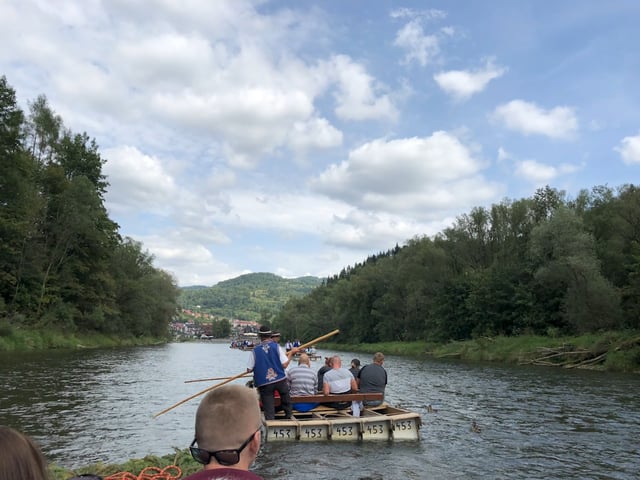 Pieniny Mountains Dunajec River Rafting
Rafting on the Dunajec River is one of the oldest tourist traditions in Poland. The route passes through the Pieniny Mountains, where the river cuts through steep limestone cliffs that form a dramatic natural gorge.
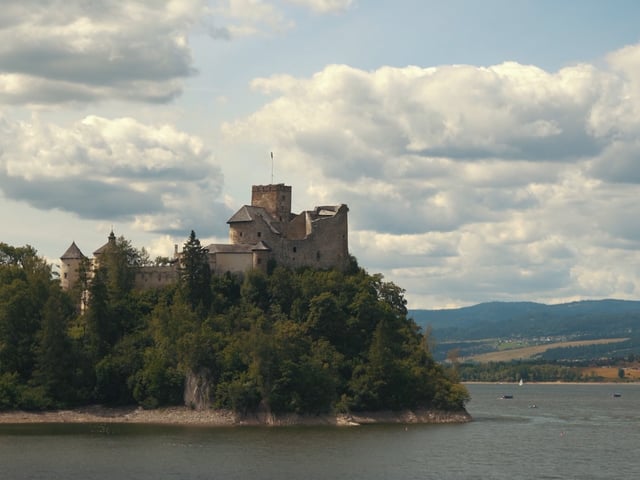 Pieniny Mountains Niedzica Castle
Niedzica Castle stands on a hill above the Dunajec River and dates back to the 14th century. The fortress was originally built by Hungarian nobles to guard an important trade route along the border between the Kingdom of Hungary and Poland.
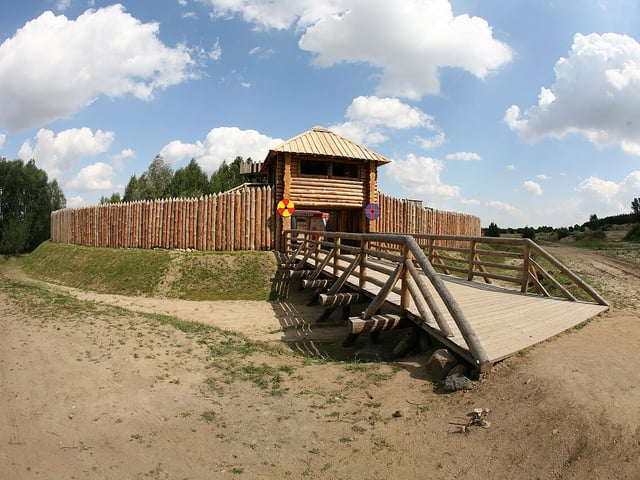 Pobiedziska Gród Pobiedziska
Gród Pobiedziska is a modern reconstruction of an early medieval wooden fortress similar to those used during the first centuries of the Polish state. Such strongholds played an important role in defending territories and served as administrative centers for early rulers.
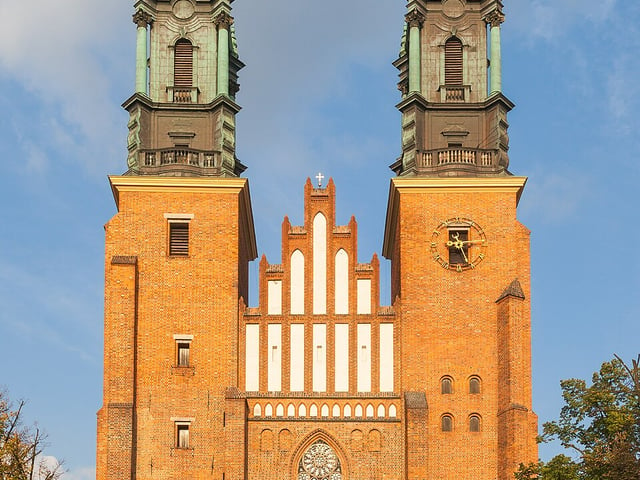 Poznań Poznań Cathedral (Ostrów Tumski)
The cathedral on Ostrów Tumski Island in Poznań is one of the oldest churches in Poland. It is closely connected with the beginnings of the Polish state, as the first historical ruler of Poland, Mieszko I, was baptized in this region in 966, an event considered the symbolic start of Christian Poland.
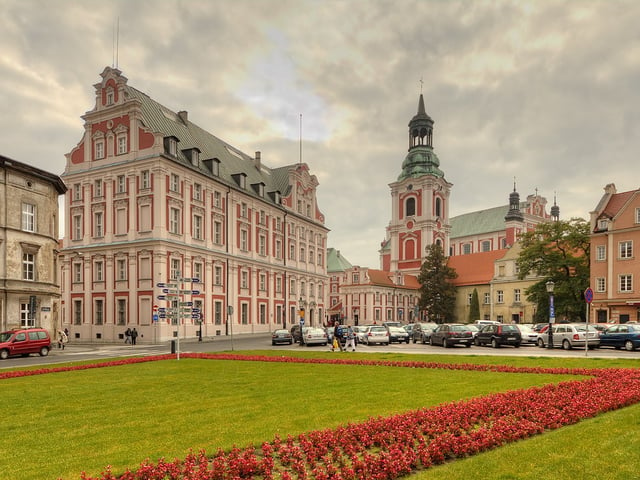 Poznań Poznań Old Town
Poznań is one of the oldest cities in Poland and played an important role in the early formation of the Polish state. The city developed along trade routes connecting Western and Eastern Europe and became an important economic center during the Middle Ages.
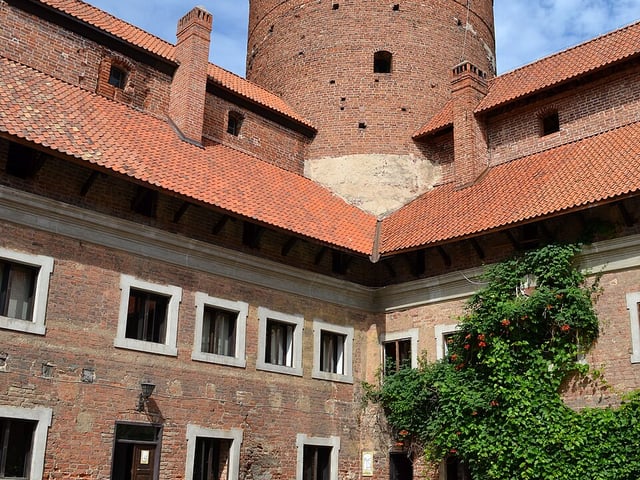 Reszel Reszel Castle
The Gothic castle in Reszel was built in the 14th century by the bishops of Warmia. During the Middle Ages the bishops ruled this region with considerable independence, and the castle served both as a residence and as a defensive stronghold.
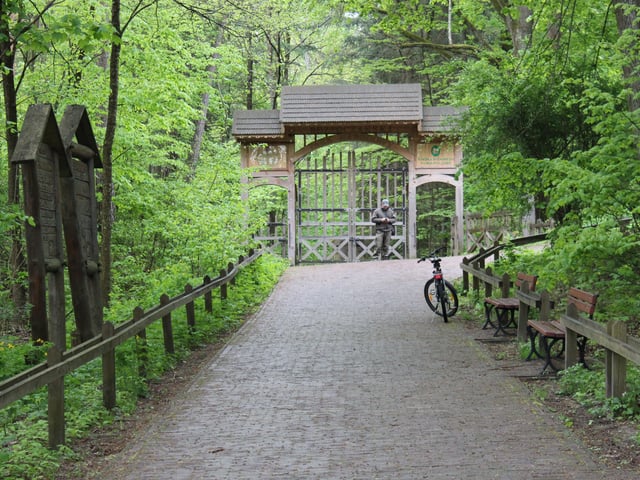 Roztocze Roztocze National Park
Roztocze National Park protects a landscape of gentle hills, forests, and river valleys in southeastern Poland. The region historically formed a natural border between different cultural and political spheres of Central and Eastern Europe.
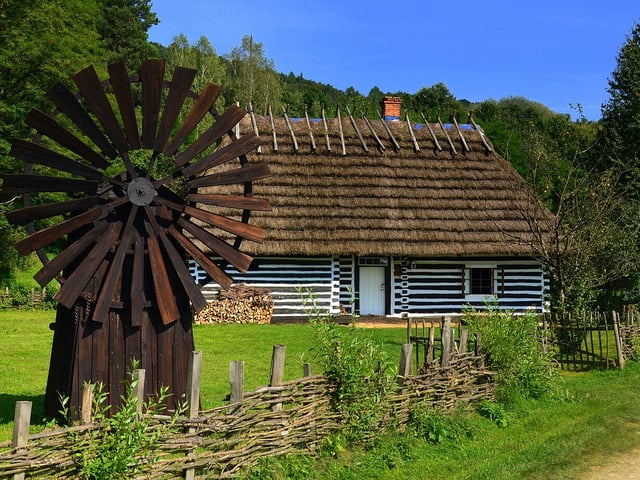 Sanok Open-Air Museum in Sanok
The Open-Air Museum in Sanok is one of the largest ethnographic parks in Poland and one of the most important museums dedicated to traditional rural culture in Central Europe.
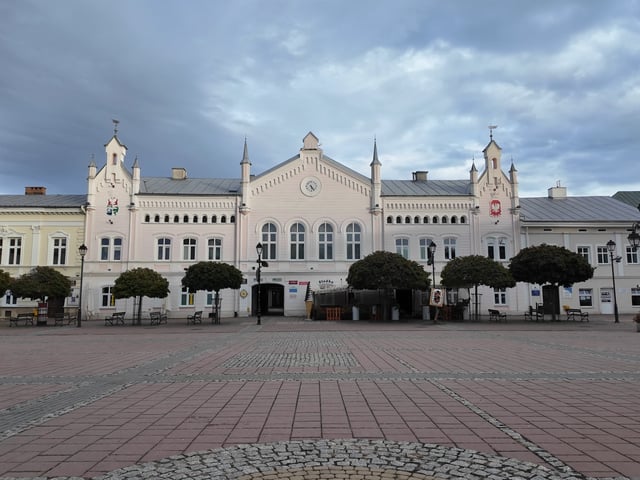 Sanok Sanok Market Square
The historic market square in Sanok reflects the long history of this small town located near the foothills of the Carpathian Mountains. Sanok developed as a regional administrative and trade center during the Middle Ages, particularly after receiving town rights under Polish rule in the 14th century.
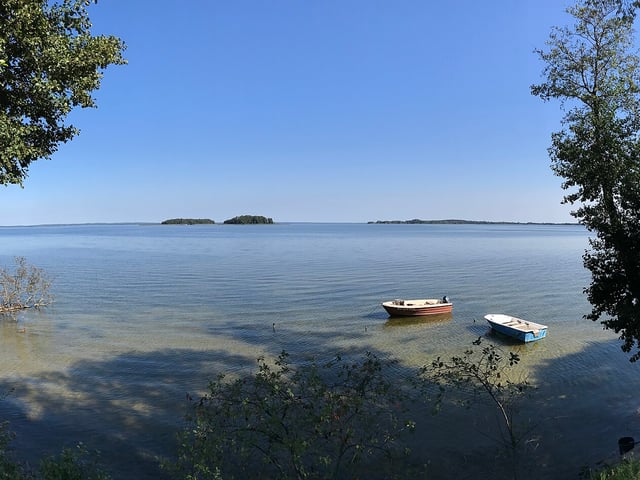 Śniardwy Lake Cruise on Śniardwy Lake
Śniardwy Lake is the largest lake in Poland and lies in the Masurian Lake District, a region known for its vast system of interconnected lakes and forests. For centuries the area remained relatively remote and was shaped by fishing, sailing, and small scale agriculture.
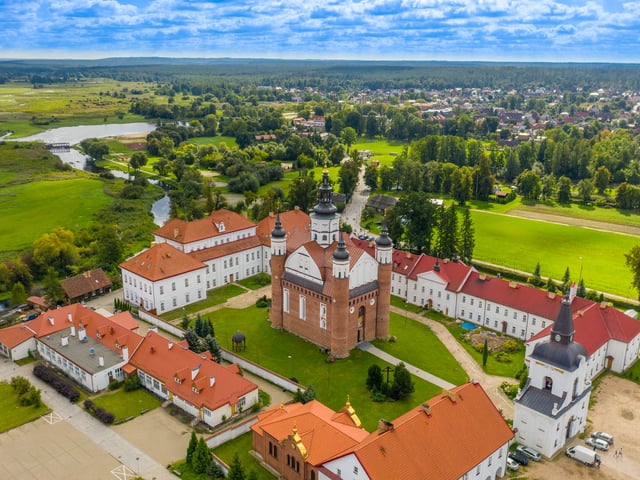 Supraśl Orthodox Monastery in Supraśl
The Orthodox Monastery of the Annunciation in Supraśl was founded at the end of the 15th century and quickly became one of the most important centers of Orthodox Christianity in the Polish–Lithuanian Commonwealth.
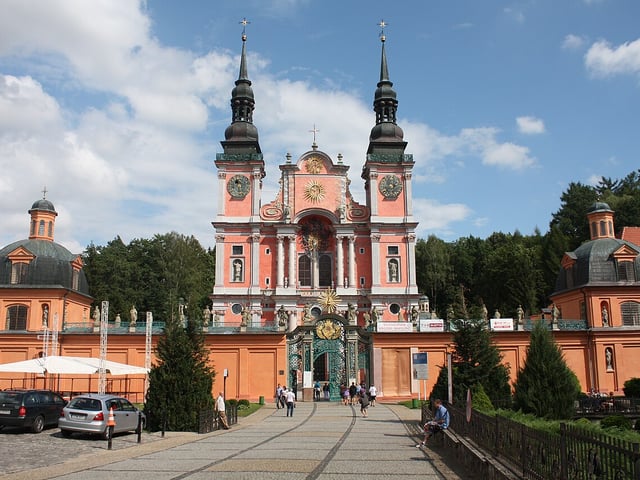 Święta Lipka Święta Lipka Sanctuary
The sanctuary of Święta Lipka is one of the most famous pilgrimage churches in northern Poland. The present Baroque church was built in the 17th century during the Counter Reformation, when the Catholic Church strengthened its presence in the region of Warmia.
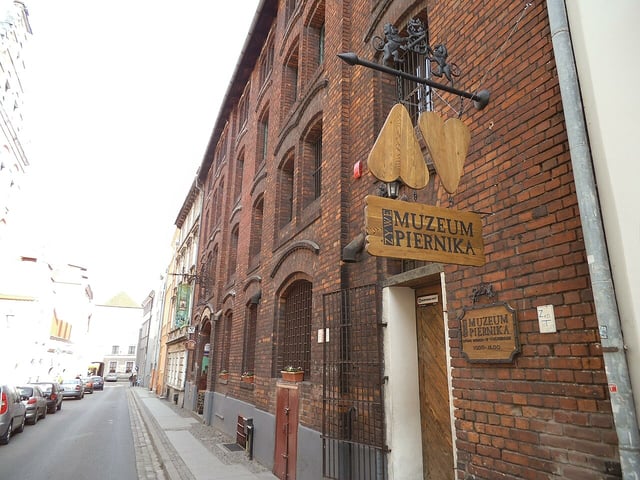 Toruń Gingerbread Museum
Toruń has been famous for gingerbread for several centuries. The tradition dates back to the Middle Ages, when the city’s location on major trade routes allowed merchants to obtain exotic spices such as cinnamon, cloves, and ginger. These ingredients were used to create the distinctive gingerbread.
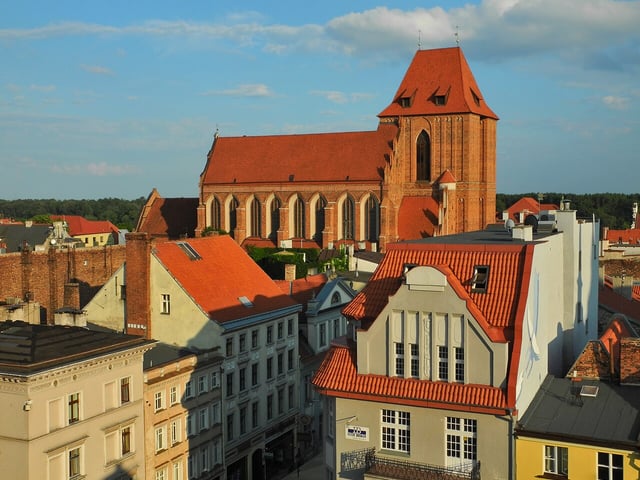 Toruń Toruń Old Town
Toruń is one of the best preserved medieval cities in Central Europe. Founded in the 13th century by the Teutonic Order, it quickly became an important member of the Hanseatic League and a major trading center on the Vistula River. The city later became part of the Polish Kingdom.
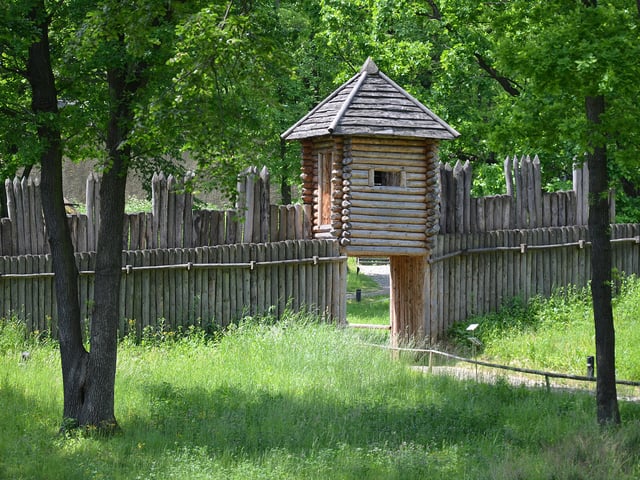 Trzcinica “Carpathian Troy” Archaeological Museum
The archaeological site in Trzcinica, often called “Carpathian Troy,” is one of the most important prehistoric discoveries in Poland. Excavations revealed the remains of fortified settlements dating back nearly four thousand years, including structures connected with the Bronze Age Otomani culture and later Slavic.
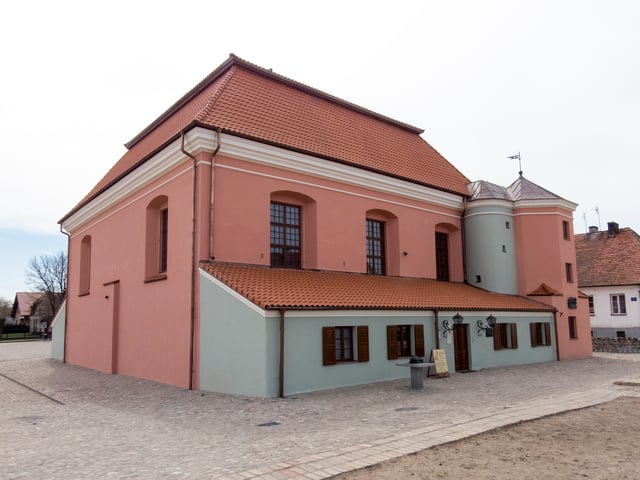 Tykocin Tykocin Synagogue
The synagogue in Tykocin is one of the best preserved Baroque synagogues in Poland. It was built in 1642, during a time when Tykocin was an important town in the Polish-Lithuanian Commonwealth and home to a large Jewish community.
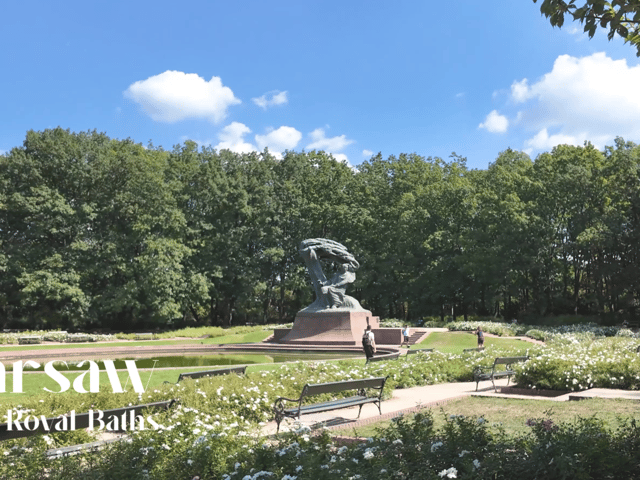 Warsaw Łazienki Royal Park
Łazienki Royal Park is one of the most beautiful parks in Warsaw. Created in the 18th century at the request of King Stanisław August Poniatowski.
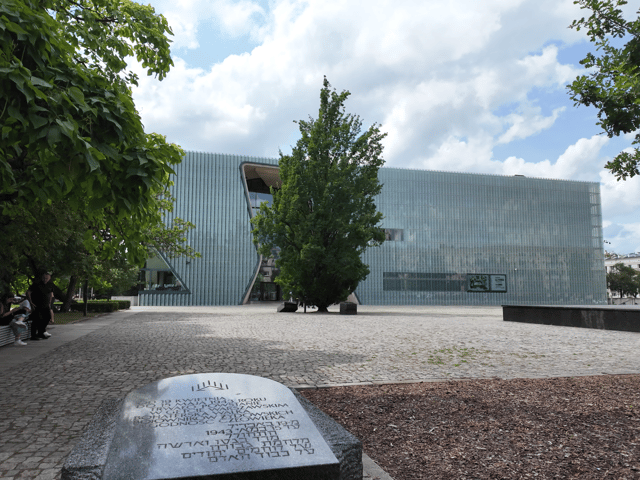 Warsaw POLIN Museum of the History of Polish Jews
The POLIN Museum of the History of Polish Jews tells the story of one thousand years of Jewish life in Poland. It stands in Warsaw’s former Jewish district, on the site of the Warsaw Ghetto, where during the German occupation Jews were imprisoned and later deported to extermination camps during the Second World War.
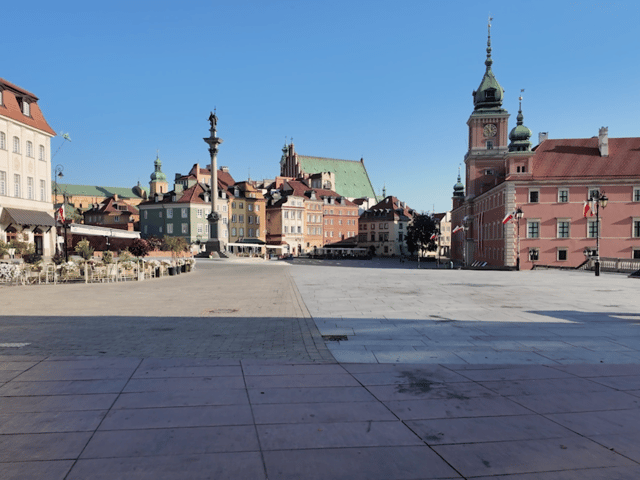 Warsaw Warsaw Old Town
The Old Town was rebuilt during the early years of the Polish People's Republic - a period of Soviet occupation that lasted until 1989. The Old Town was completely destroyed, but using pre-war photographs and engravings, its medieval layout and Baroque architecture were faithfully restored.
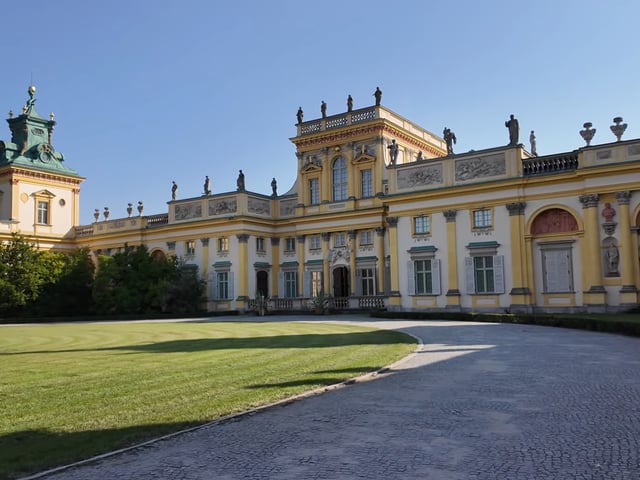 Warsaw Wilanów Palace
Wilanów Palace was built at the end of the 17th century for King Jan III Sobieski, the Polish ruler famous for his victory over the Ottoman army at the Battle of Vienna in 1683.
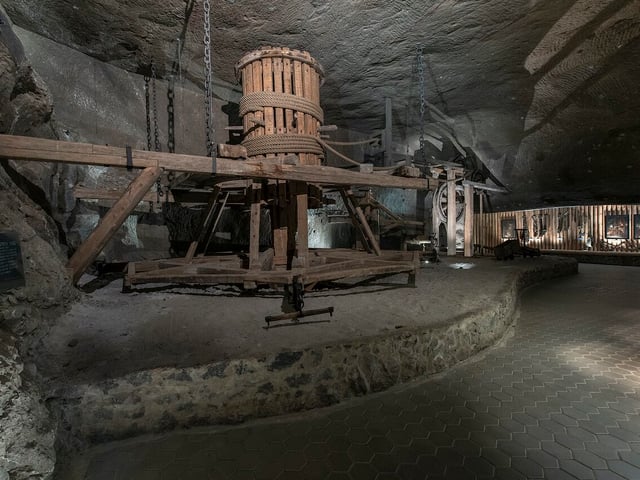 Wieliczka Wieliczka Salt Mine
The Wieliczka Salt Mine near Kraków has been in operation since the 13th century and for many centuries was one of the most important sources of wealth for the Polish Kingdom. Salt was once a highly valuable commodity, and the mine played a crucial role in the economy of medieval Poland.
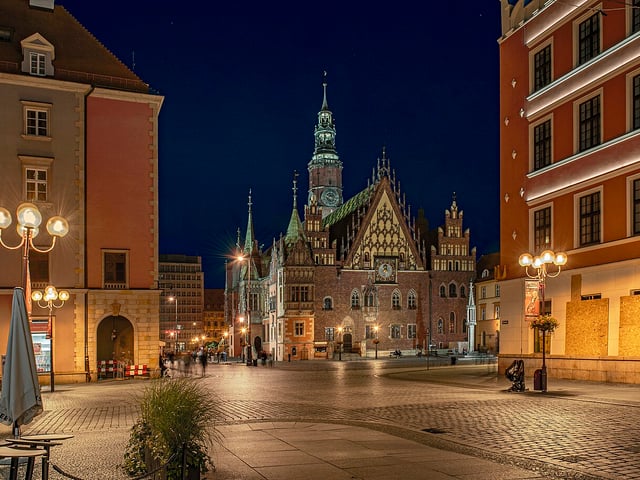 Wrocław Wrocław Old Town
For centuries Wrocław was a crossroads of cultures. It belonged to the Bohemian Crown, then to the Habsburgs and finally to Prussia and Germany, when it was known as Breslau.
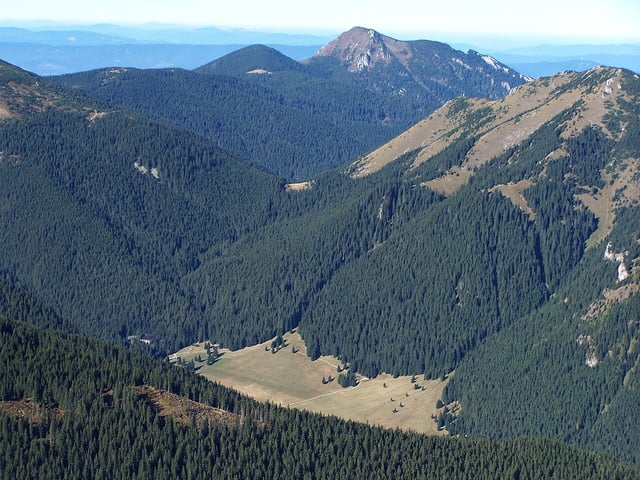 Zakopane Chochołowska Valley
Chochołowska Valley is the largest valley in the Polish part of the Tatra Mountains. For centuries the valley was used for seasonal shepherding and traditional mountain agriculture, activities that shaped the cultural landscape of the region.
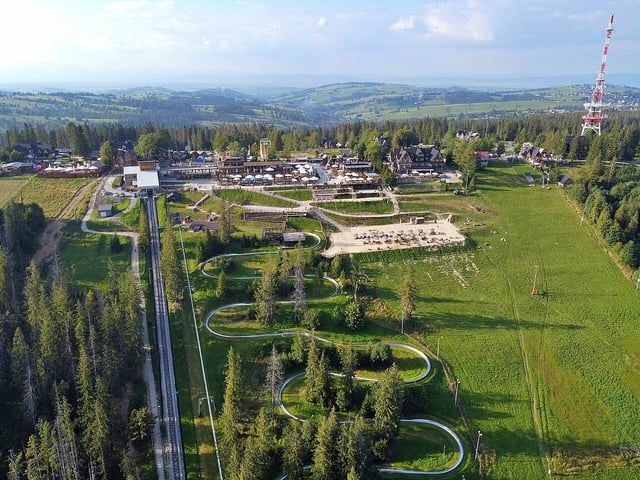 Zakopane Gubałówka
Gubałówka is a mountain ridge overlooking Zakopane and the Tatra Mountains. In the early twentieth century the area became accessible thanks to the construction of a funicular railway, which helped transform Zakopane into a major tourist destination.
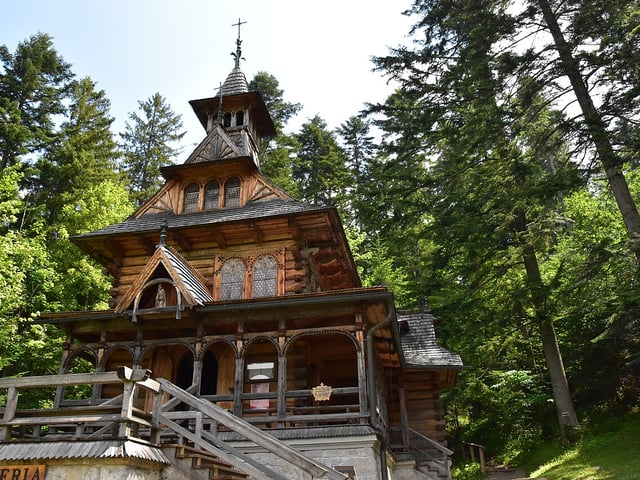 Zakopane Wooden Chapel at Jaszczurówka
The chapel of the Sacred Heart of Jesus in Jaszczurówka is one of the finest examples of the Zakopane architectural style. Designed at the beginning of the 20th century by the Polish architect Stanisław Witkiewicz.
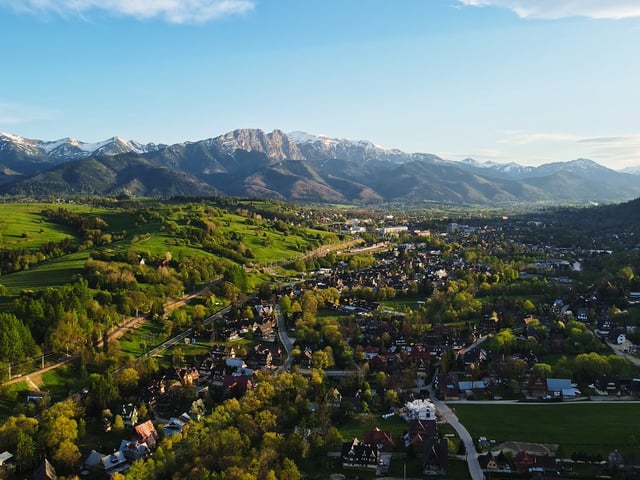 Zakopane Zakopane
Zakopane developed in the 19th century as a mountain resort at the foot of the Tatra Mountains. During this period the town became popular among artists, writers, and intellectuals who were drawn by the landscape and the unique culture of the local highlanders known as the Górale.
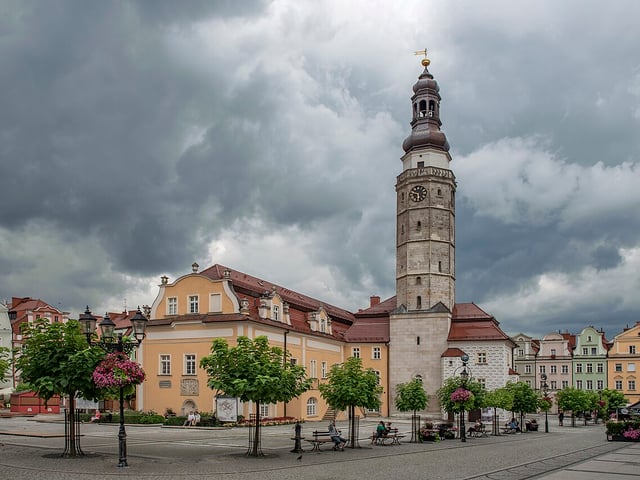 Bolesławiec
, a small town in Lower Silesia, has been famous for its pottery for more than five hundred years. Abundant local clay and the arrival of skilled potters made it a ceramics center already in the Middle Ages, and its potters formed a guild in the early 16th century.
Czech Republic
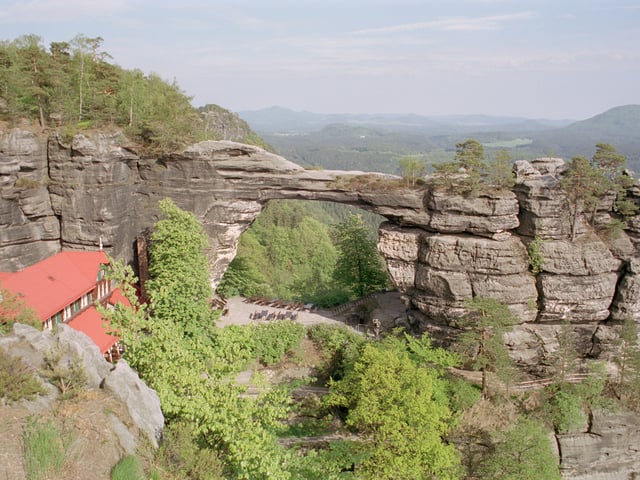 Bohemian Switzerland National Park
The sandstone landscape along the Czech-German border has been shaped over millions of years by wind and water into dramatic rock towers, deep gorges, and natural arches.
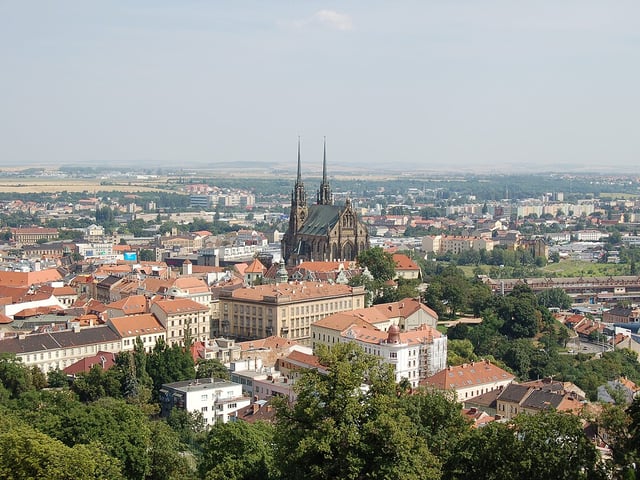 Brno
Brno, the capital of Moravia and the second largest city in the Czech Republic, has long been a meeting point of Czech, Austrian, and Jewish cultures. Its Špilberk Castle, founded in the 13th century, later became one of the most feared prisons of the Habsburg Empire.
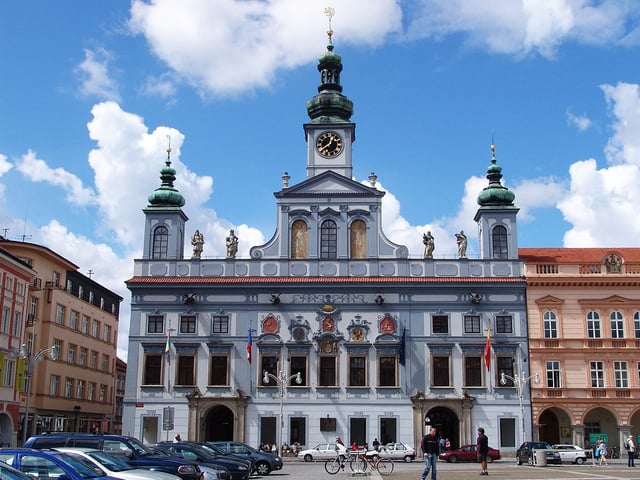 České Budějovice and Budweiser Budvar Brewery
České Budějovice was founded in 1265 by King Přemysl Otakar II as a royal city meant to strengthen the Crown's position in the south of Bohemia. Its vast central square, ringed by arcades and dominated by the Samson Fountain, is one of the largest in Europe.
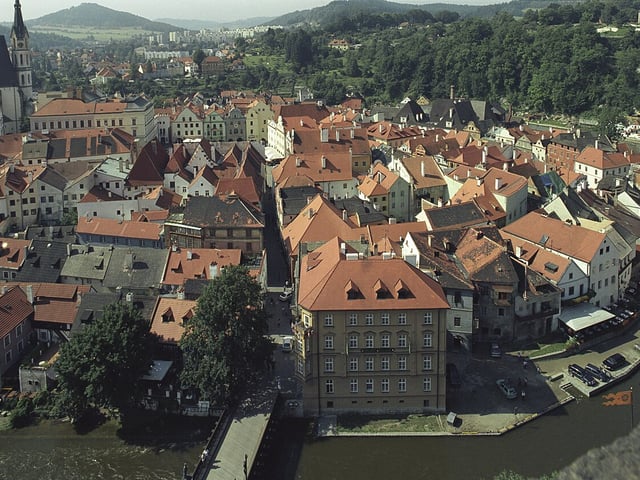 Český Krumlov
Set in a tight loop of the Vltava River, Český Krumlov grew around a 13th-century castle ruled for centuries by powerful noble families, first the Lords of Rosenberg and later the Eggenbergs and Schwarzenbergs.
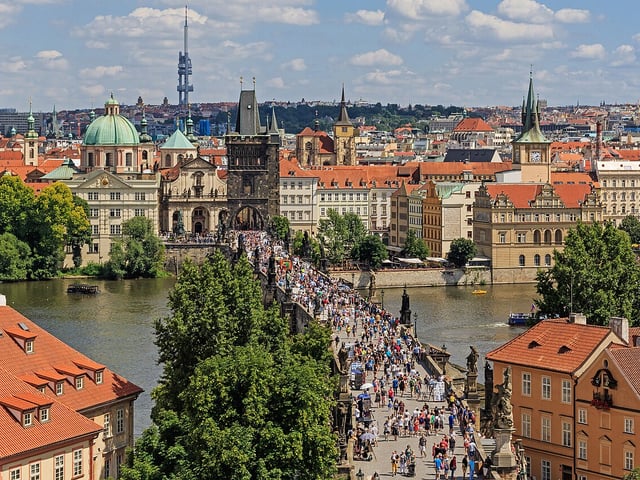 Charles Bridge and Malá Strana
Charles Bridge was commissioned by Charles IV in 1357 after a flood destroyed its predecessor, and for centuries it was the only link between the Old Town and the castle district. Lined with thirty mostly Baroque statues, it became the main artery of royal coronation processions and the symbol of medieval Prague.
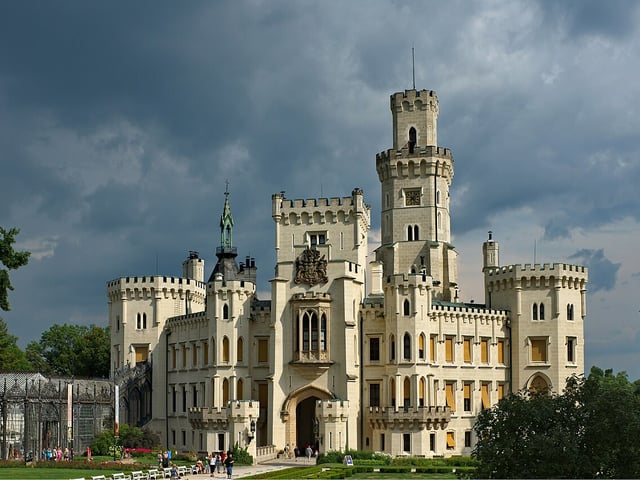 Hluboká Castle
Hluboká began as a Gothic fortress in the 13th century, but its fairy-tale appearance comes from a lavish reconstruction carried out between 1840 and 1871 by the Schwarzenberg family.
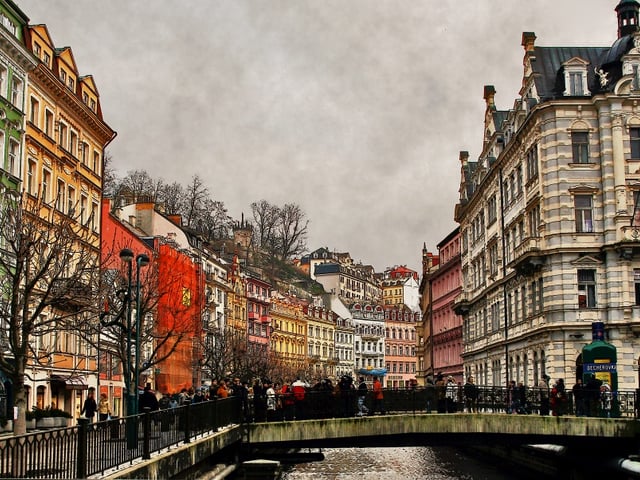 Karlovy Vary
According to legend, Charles IV discovered the first hot spring here in the 14th century while hunting, and he soon granted the settlement city rights and named it after himself.
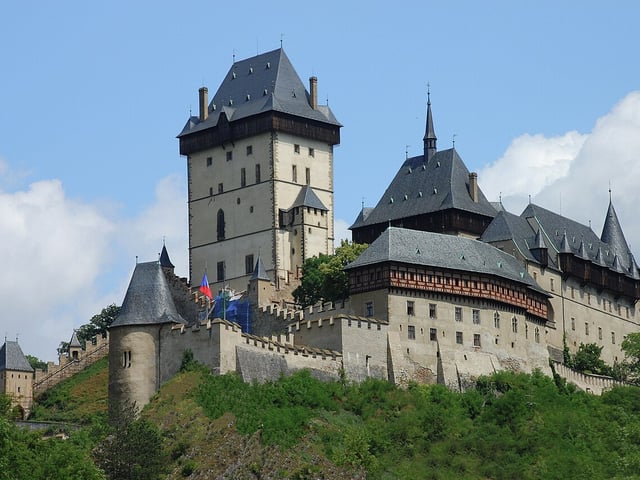 Karlštejn Castle
Karlštejn was founded in 1348 by Charles IV, who envisioned a fortress that would safeguard the imperial crown jewels and the most precious Christian relics collected during his reign. Perched on a rocky hill above the Berounka River, it was designed as both a stronghold and a spiritual symbol of royal power.
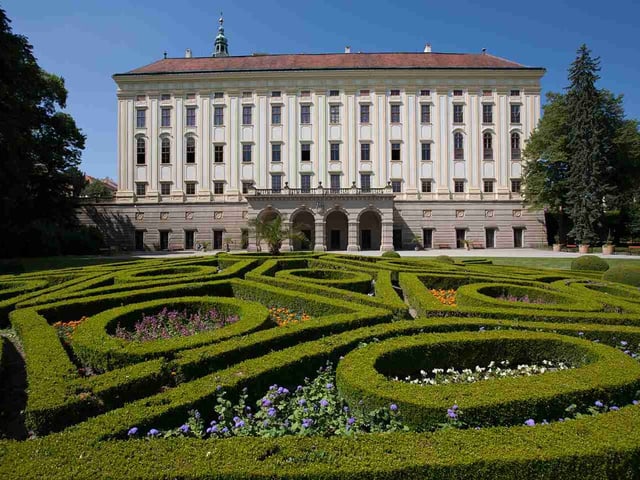 Kroměříž palace
The bishops of Olomouc made Kroměříž their residence in the 13th century, and after the Thirty Years' War they rebuilt their palace as a splendid Baroque seat. In 1848 and 1849 it even hosted a constituent parliament that tried to draft a democratic constitution for the Austrian Empire.
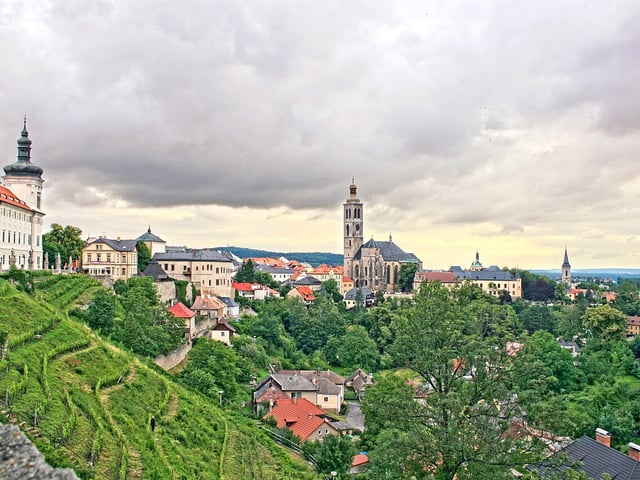 Kutná Hora
In the 13th and 14th centuries, rich silver mines made Kutná Hora the second most important town in the Kingdom of Bohemia, and its royal mint produced the coins that circulated across Central Europe. The wealth of that era is still visible in the Gothic St.
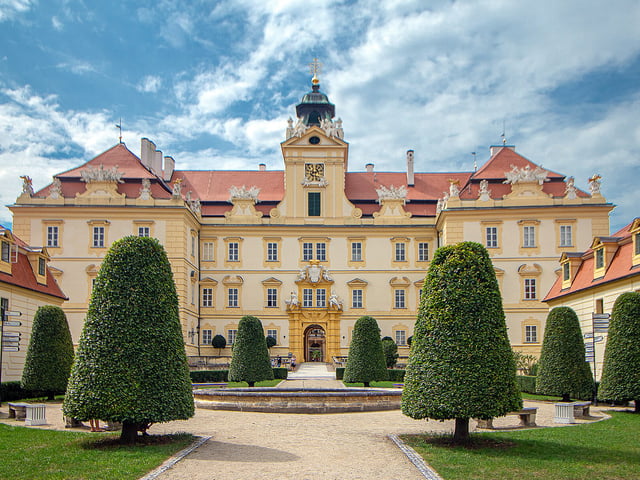 Lednice-Valtice Cultural Landscape
For more than 700 years, the Liechtenstein family ruled the lands of southern Moravia, and between the 17th and 20th centuries they transformed the area into a vast, carefully designed landscape of palaces, parks, ponds, and decorative pavilions.
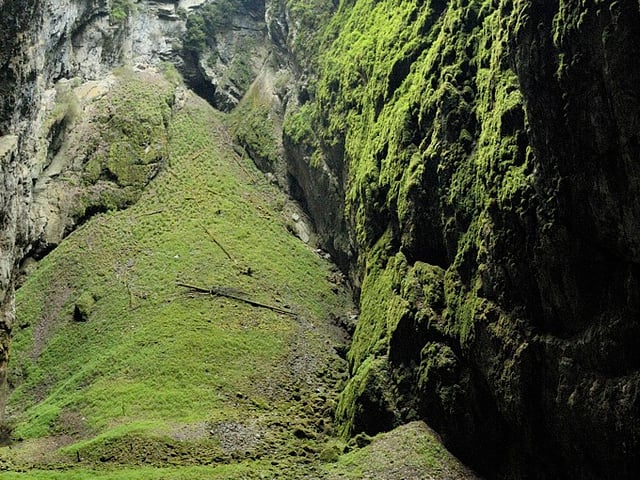 Moravian Karst and Macocha Abyss
The Moravian Karst is the largest cave system in the Czech Republic, formed over millions of years as underground rivers dissolved the limestone.
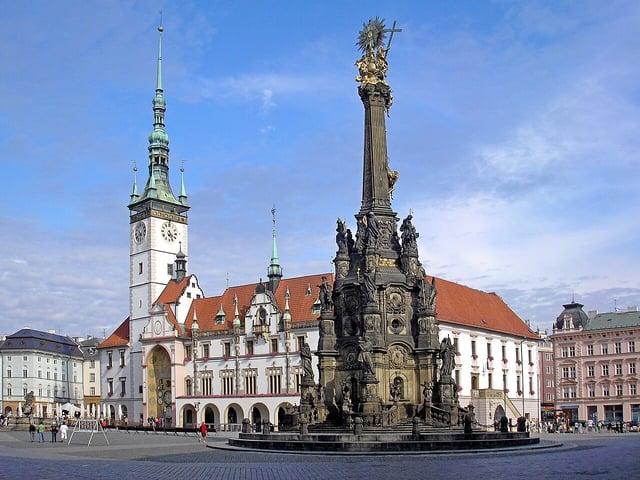 Olomouc
 was the capital of Moravia until the 17th century, when the Swedish occupation during the Thirty Years' War shifted political power to Brno. The city nevertheless retained its importance as a religious and university center, and after the war it was rebuilt in the Baroque style.
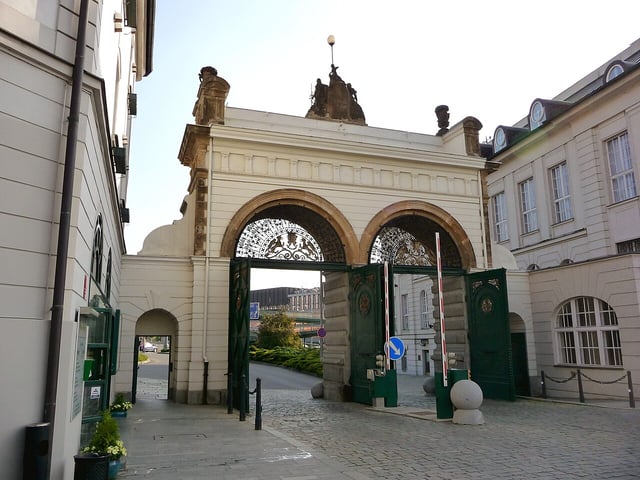 Plzeň and Pilsner Urquell Brewery
Plzeň was founded in 1295 by King Wenceslas II and grew into an important trading town on the road between Prague and Bavaria. In 1842, a Bavarian brewer named Josef Groll produced the first golden lager here, and the style, known as Pilsner, went on to conquer the world.
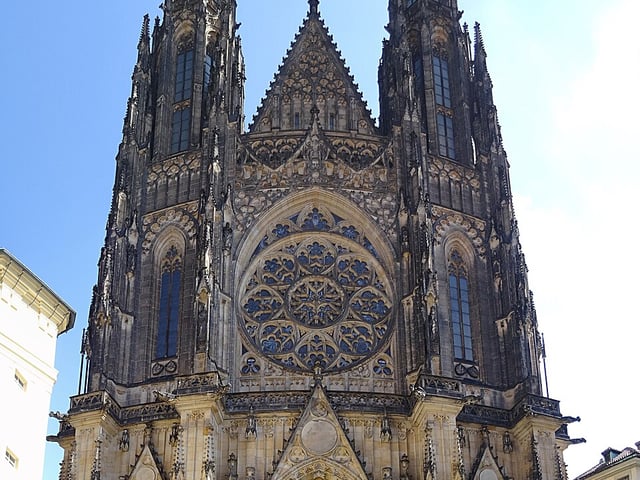 Prague Castle and St. Vitus Cathedral
Founded around 880 by Prince Bořivoj of the Přemyslid dynasty, Prague Castle grew over the centuries into the seat of Bohemian kings, Holy Roman Emperors, and today the Czech presidents. At its heart stands St.
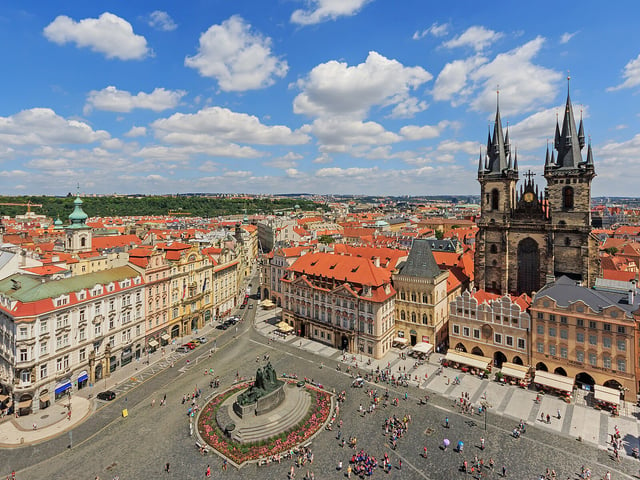 Prague Old Town Square and the Astronomical Clock
Prague's Old Town Square has served as a marketplace and a stage for dramatic events since the 12th century. It was here that the Czech reformer Jan Hus was commemorated after being burned at the stake in 1415, and here that Czech nobles were executed after the defeat of 1620.
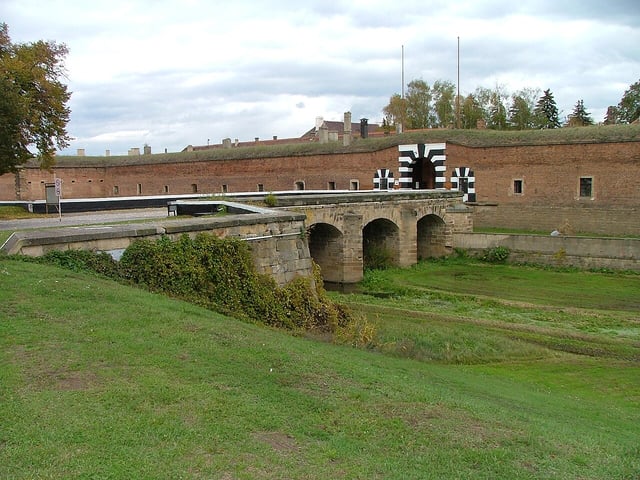 Terezín Memorial
Terezín was built in the 1780s by Emperor Joseph II as a fortress against Prussian attacks and named in honor of his mother, Empress Maria Theresa.
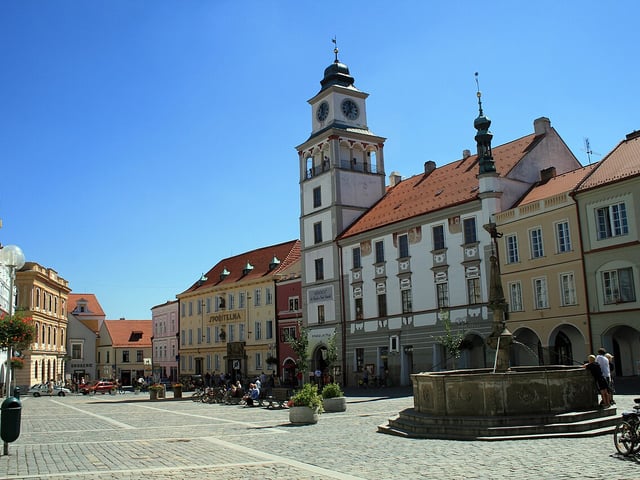 Třeboň
The landscape around Třeboň was reshaped in the 16th century, when the Rožmberk family and their pond master Jakub Krčín of Kolovrat created an elaborate network of man-made ponds for breeding fish.
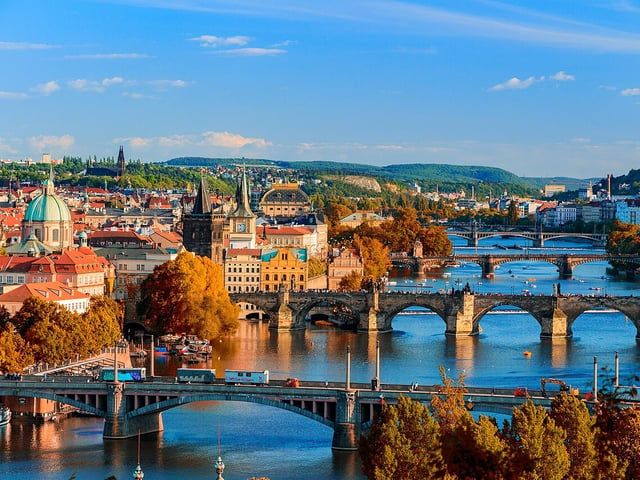 Vltava River Cruise
The Vltava, the longest river in the Czech lands, has shaped the city of Prague since its earliest days, carrying trade, timber, and salt and inspiring Bedřich Smetana's famous symphonic poem of the same name.
Lithuania
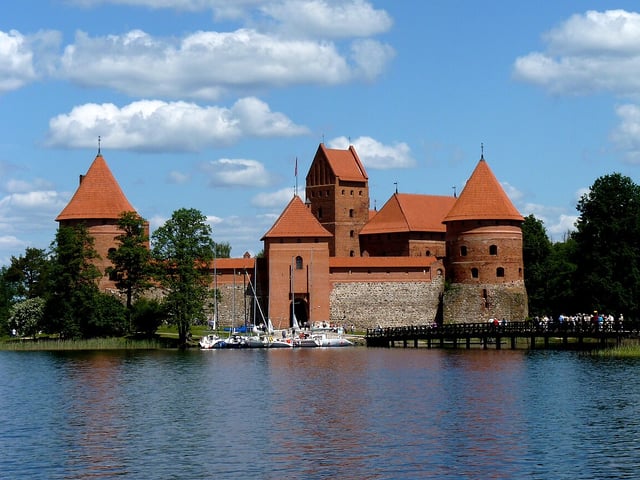 Trakai
Troki, on the shore of Lake Galvė, was one of the main residences of the rulers of the Grand Duchy of Lithuania in the 14th century. Grand Duke Kęstutis and his son Vytautas the Great built a mighty brick castle on an island in the lake, which served as both a stronghold and a ceremonial court.
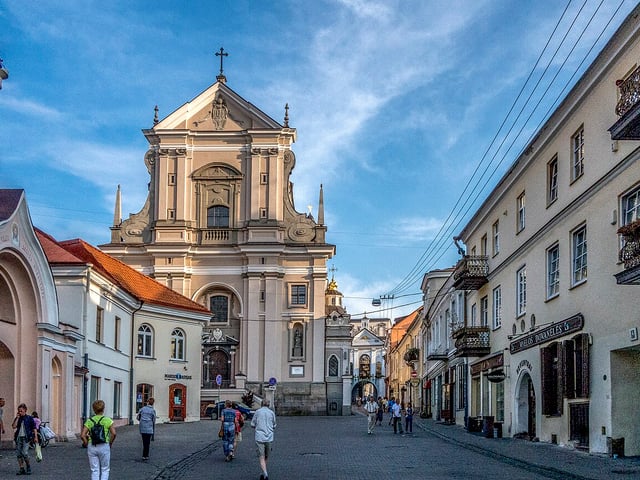 Vilnius Old Town
Vilnius, today the capital of Lithuania, was first mentioned in 1323 by Grand Duke Gediminas, who according to legend founded it after dreaming of an iron wolf howling on a hill.
Slovakia
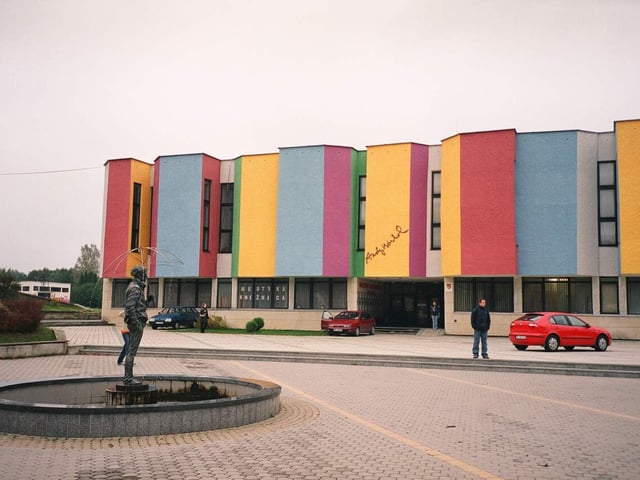 Andy Warhol Museum of Modern Art in Medzilaborce
Andy Warhol, one of the most famous figures of American pop art, was born in Pittsburgh in 1928 to a family of Rusyn immigrants from the village of Miková in what is now eastern Slovakia.
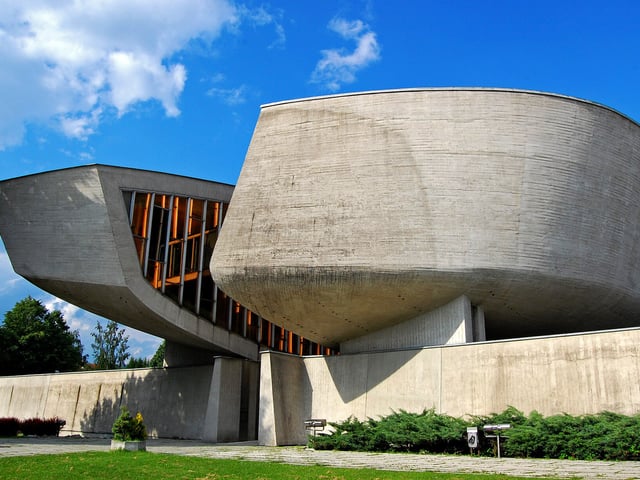 Banská Bystrica and the Museum of the Slovak National Uprising
On August 29, 1944, Banská Bystrica became the center of the Slovak National Uprising, an armed rebellion against the Nazi-aligned Slovak State and the German occupation. Although the German army crushed the revolt in October of that year, it remains one of the most important events in modern Slovak history.
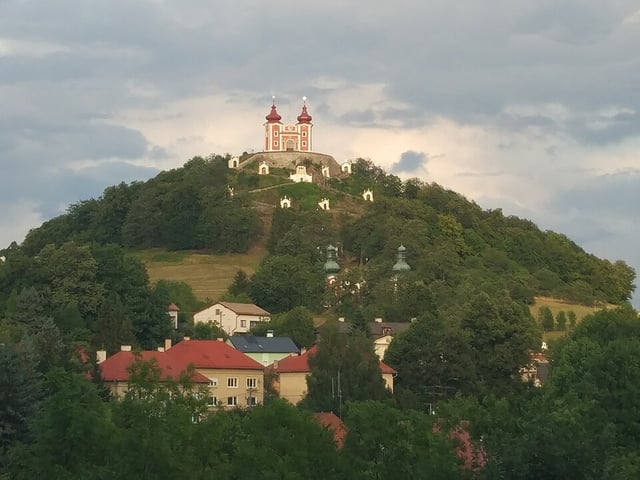 Banská Štiavnica
 grew rich thanks to the silver and gold mines in the surrounding hills, and by the 18th century it was one of the most important mining towns in the Kingdom of Hungary.
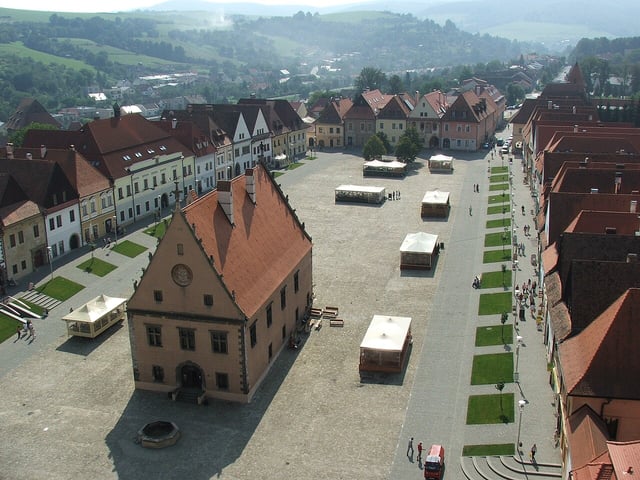 Bardejov
 was granted the status of a royal free town in the 14th century and prospered thanks to the linen trade with Poland, which connected it to cities such as Kraków. The wealth of its merchants is visible in the Gothic Basilica of St.
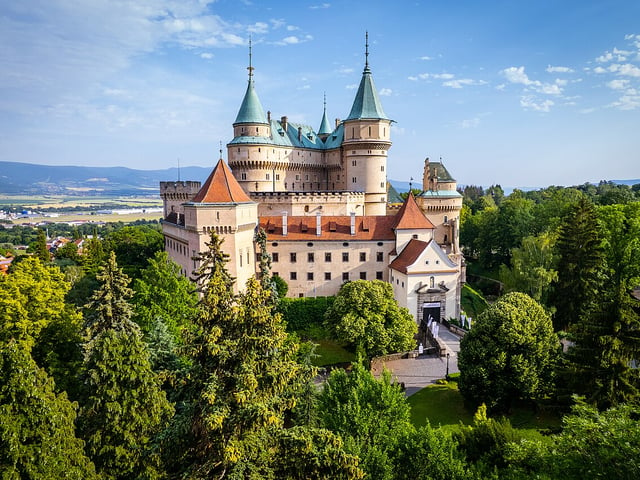 Bojnice Castle
Bojnice began as a wooden fortress in the 12th century, and over the centuries it was passed from one noble family to the next.
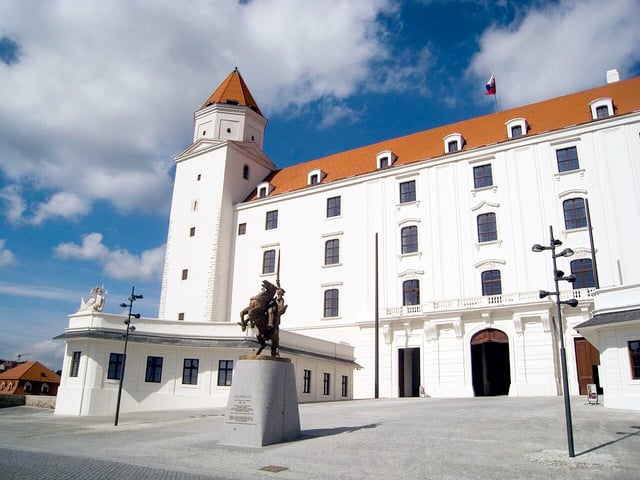 Bratislava Castle
The hill above the Danube has been fortified since prehistoric times, and a stronghold stood here already in the era of the Great Moravian Empire. The present building owes its elegant look to Empress Maria Theresa, who had it rebuilt as a royal residence in the 18th century.
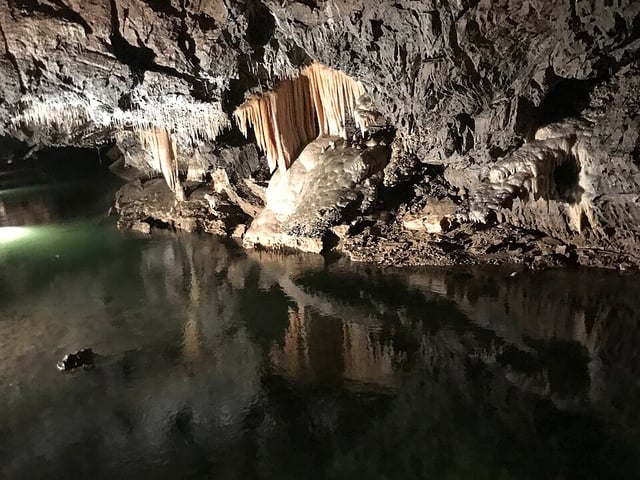 Demänovská Cave of Liberty
The Demänovská Cave of Liberty was discovered in 1921 by Alois Král and soon opened to visitors, becoming one of the most famous natural attractions in Slovakia. It is part of the longest cave system in the country, which stretches for more than forty kilometers beneath the northern slopes of the Low Tatras.
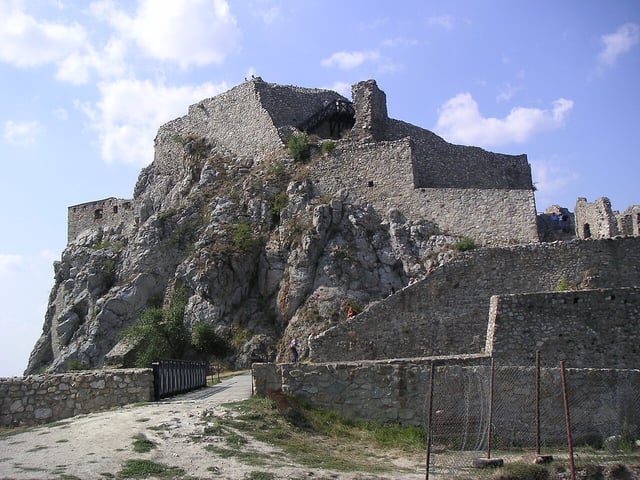 Devín Castle
Devín stands on a steep rock at the meeting point of the Danube and Morava rivers, a strategic spot that has attracted settlers since Celtic and Roman times. In the 9th century it was an important fortress of the Great Moravian Empire, and in 1809 Napoleon's troops blew up the castle.
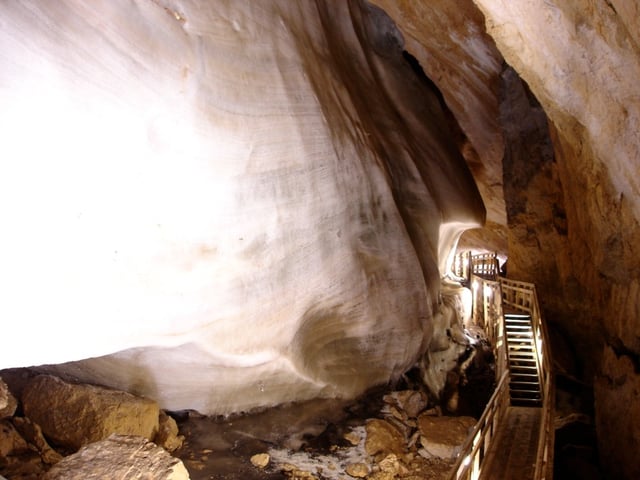 Dobšinská Ice Cave
Discovered in 1870 by the mineralogist Eugen Ruffinyi, the Dobšinská Ice Cave was opened to the public just a year later and was among the first caves in Europe to be lit with electric light, in 1887. It belongs to the UNESCO-listed Caves of Aggtelek Karst and Slovak Karst.
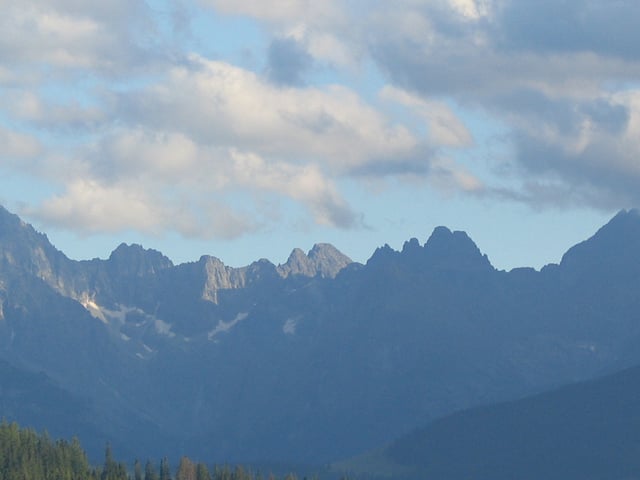 High Tatras
The High Tatras are the highest part of the Carpathian Mountains, with the peak of Gerlachovský štít rising to 2,655 meters, and despite their modest size they have a truly alpine character with sharp granite peaks and glacial lakes.
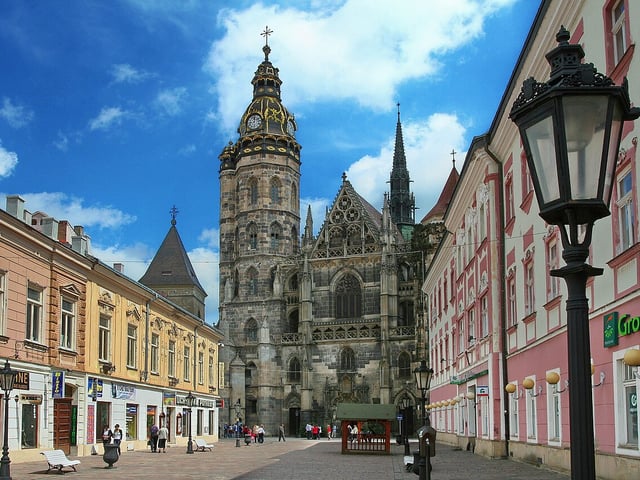 Košice
 was one of the most important cities of the medieval Kingdom of Hungary and in 1369 became the first city in Europe to receive its own coat of arms. Its great landmark is the Cathedral of St.
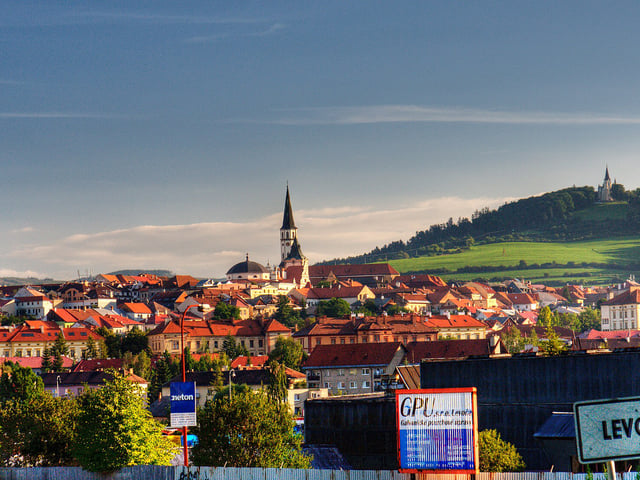 Levoča
 was founded in the 13th century by German settlers, the Spiš Saxons, after the Mongol invasion devastated the region. The town grew wealthy thanks to trade and was protected by extensive walls, which still surround its historic core.
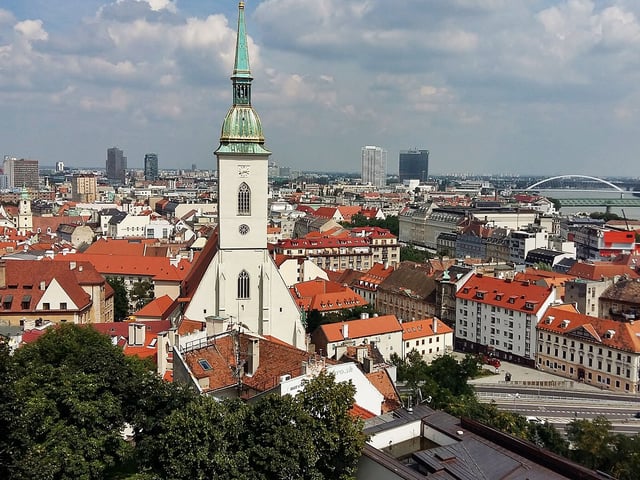 Old Town of Bratislava
For nearly three centuries, from 1536 to 1830, Bratislava, then known as Pressburg, served as the coronation city of the Hungarian kings, and eleven monarchs were crowned in St. Martin's Cathedral.
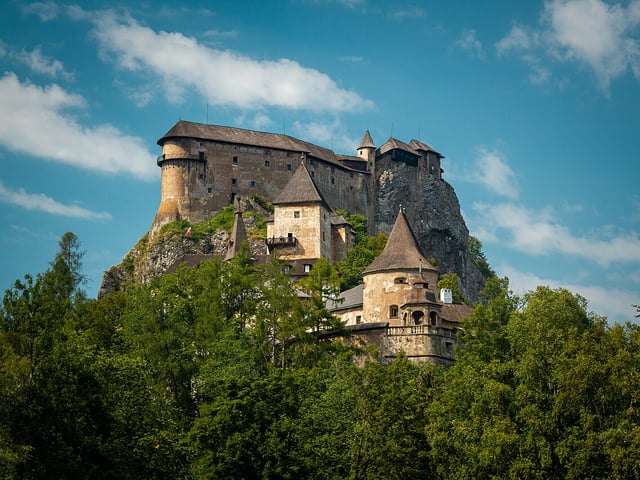 Orava Castle
 rises about 100 meters above the Orava River on a dramatic rocky ridge.
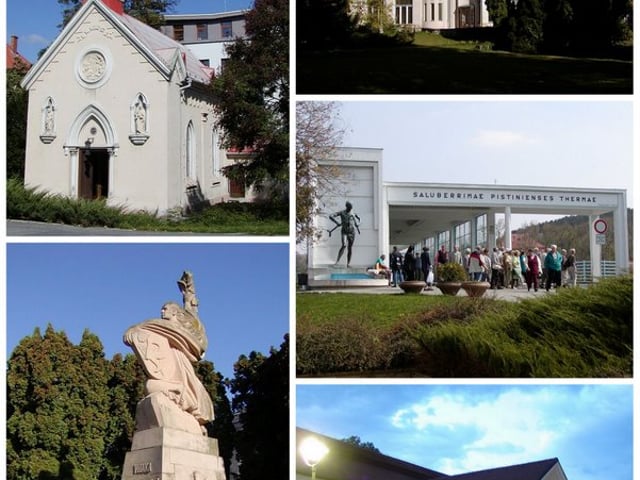 Piešťany Spa
The thermal springs of Piešťany, with water reaching about 67 degrees Celsius, have been used for treating rheumatic illnesses for centuries. By the 19th century the town had become one of the best known spa destinations of the Habsburg Empire, visited by aristocrats seeking relief from joint and muscle pain.
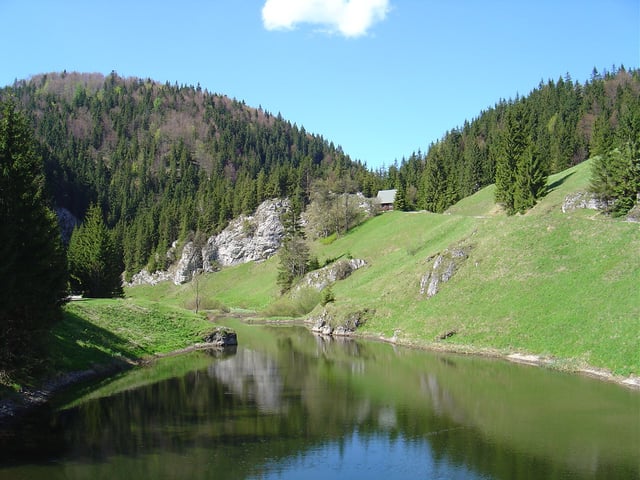 Slovak Paradise
The Slovak Paradise is a national park formed by countless gorges, canyons, and waterfalls that the Hornád River and its tributaries carved into the limestone over millions of years.
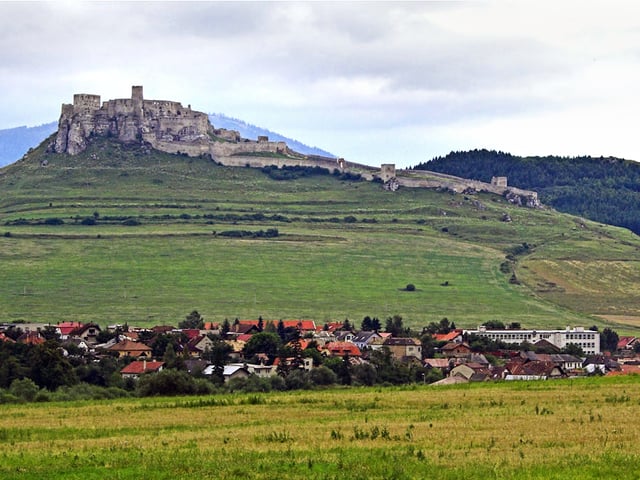 Spiš Castle
, first mentioned in 1209, is one of the largest castle complexes in Central Europe and was inscribed on the UNESCO World Heritage List together with the nearby town of Spišské Podhradie and the cathedral of Spišská Kapitula.
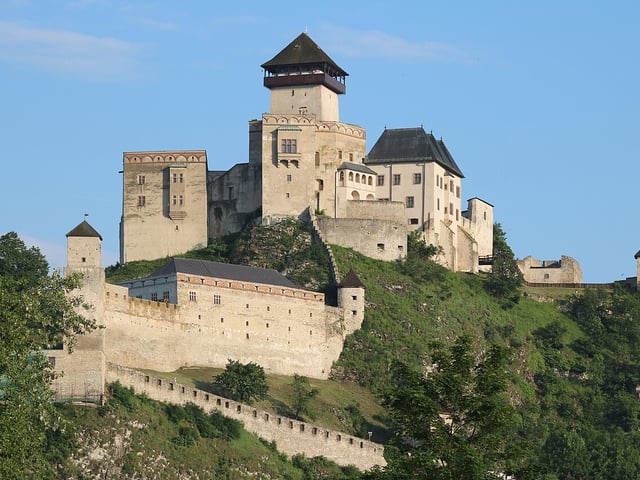 Trenčín Castle
 towers above the Váh River on a rocky outcrop. Its oldest historical record is a Roman inscription carved into the rock in 179 AD, commemorating a victory of the Roman legion during the Marcomannic Wars, the northernmost evidence of Roman presence in this part of Central Europe.
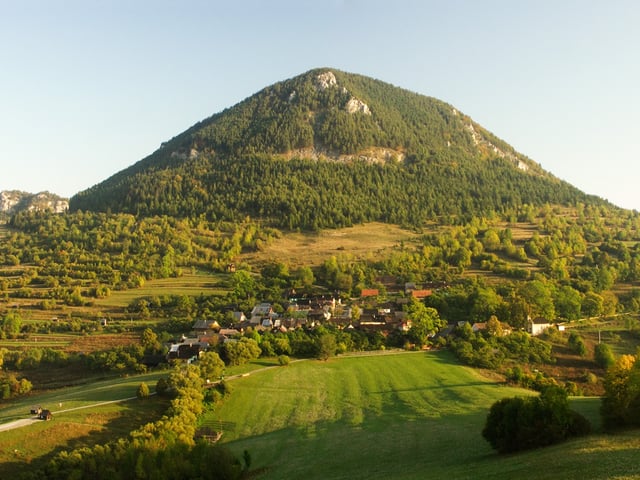 Vlkolínec
First mentioned in written sources in 1376, Vlkolínec is one of the best-preserved traditional mountain villages in Central Europe.
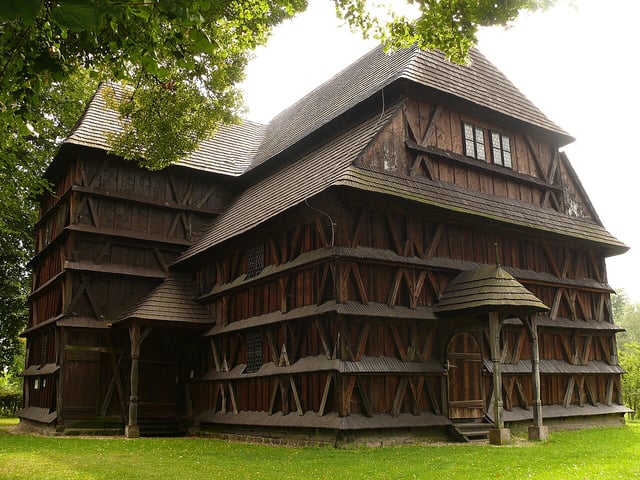 Wooden Churches of the Slovak Carpathians
Between the 16th and 18th centuries, villagers of the Carpathian region built remarkable wooden churches for Catholic, Lutheran, Greek Catholic, and Orthodox communities, each reflecting the traditions of its faith.