

Photo 1 of 1
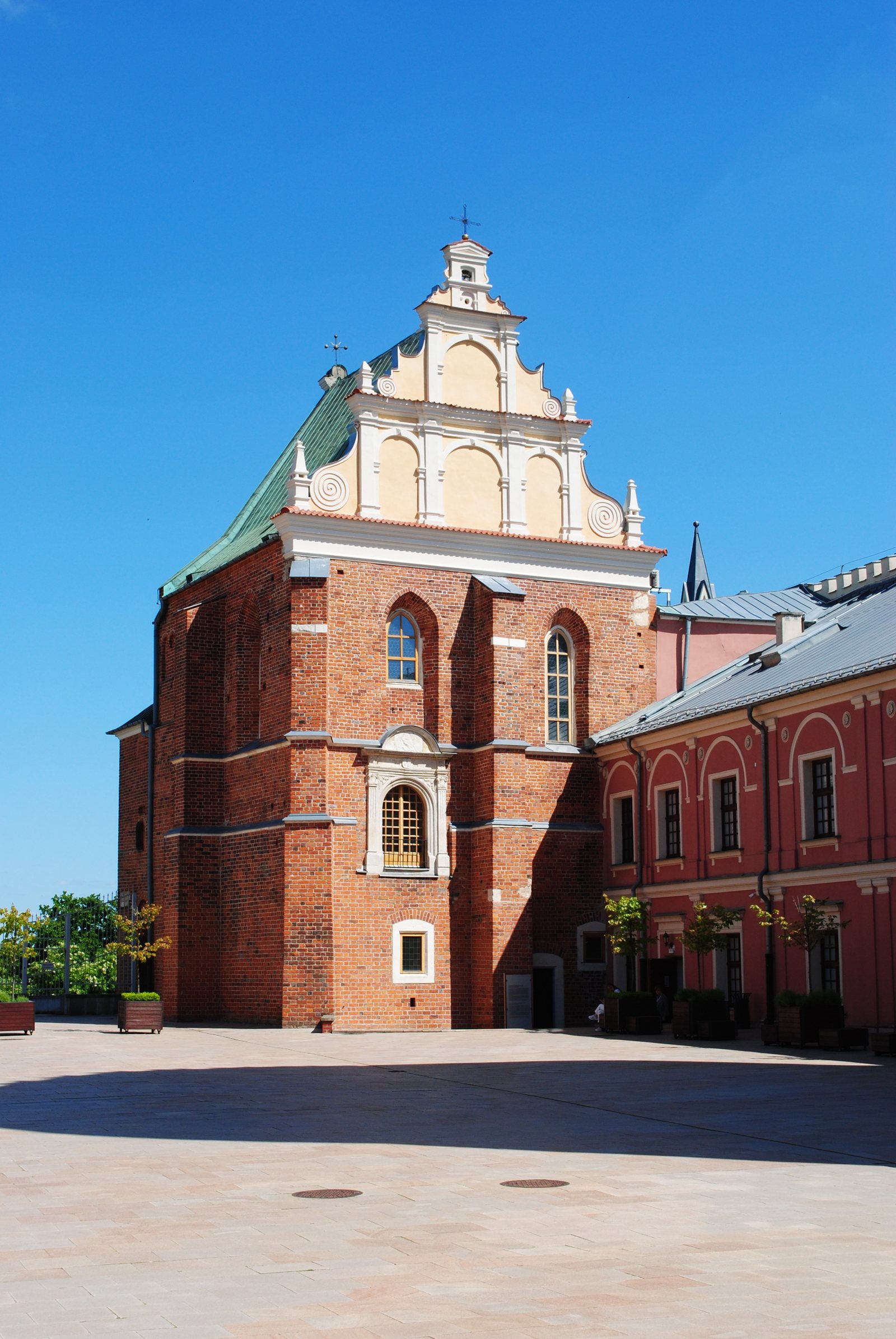
Holy Trinity Chapel
- Lublin, Poland
- About 30 min
- Historical
- Religious
The Holy Trinity Chapel inside Lublin Castle is one of the most unusual monuments of medieval art in Central Europe. Built in the 14th century as a Roman Catholic chapel, it was later decorated with Byzantine style frescoes commissioned by King Władysław Jagiełło in 1418. This combination reflects the cultural diversity of the Polish–Lithuanian state, where Western and Eastern traditions met.
Inside the chapel nearly every surface is covered with colorful medieval paintings depicting biblical scenes, saints, and royal patrons. The frescoes were rediscovered and restored in the nineteenth and twentieth centuries, revealing one of the most important collections of medieval wall painting in Poland.
Plan a journey around Holy Trinity Chapel
Tell us what else you'd like to see. Your Tour Manager plans a private route around this place, at your pace, and looks after every detail.
More to see around Lublin
 Lublin Old Town Lublin
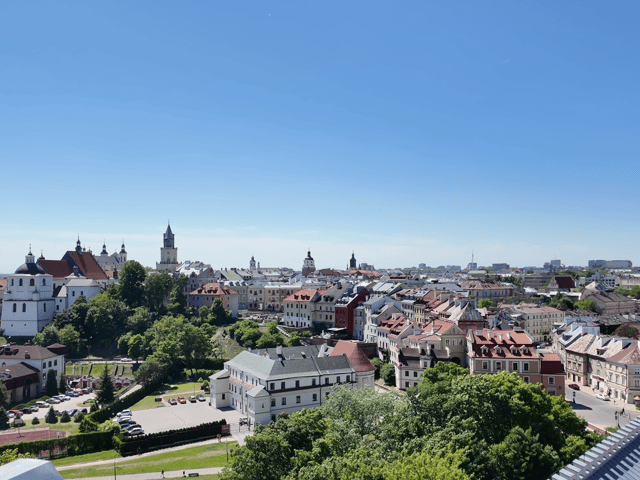
Lublin’s Old Town reflects the city’s long history as an important political and commercial center in eastern Poland. The city gained particular importance in 1569 when the Union of Lublin was signed here, creating the Polish–Lithuanian Commonwealth.
 Lublin Castle Lublin
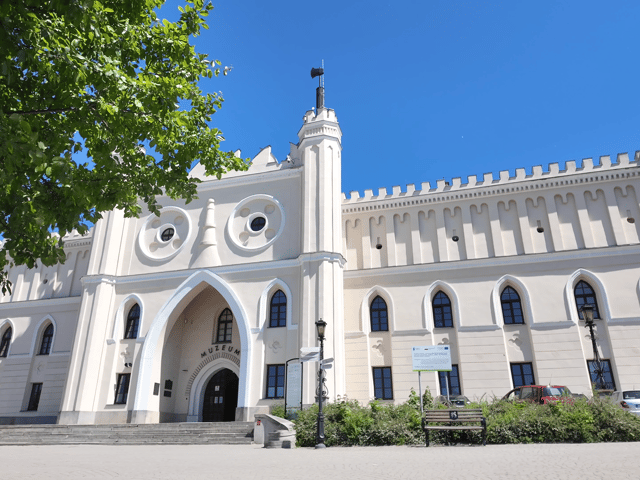
Lublin Castle stands on a hill at the edge of the Old Town and has been an important political and administrative center since the Middle Ages. The original fortress was built in the 12th century to protect the eastern borders of the Polish state.
 Kozłówka Palace (Zamoyski Residence) Kozłówka
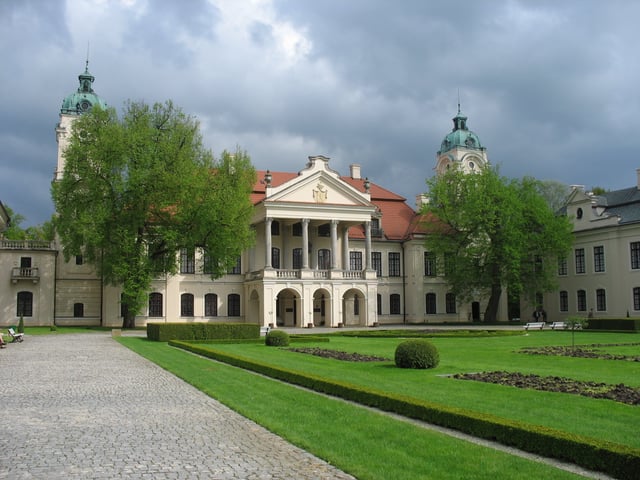
The palace in Kozłówka was built in the 18th century and later became the residence of the aristocratic Zamoyski family, one of the most influential noble families in Poland.
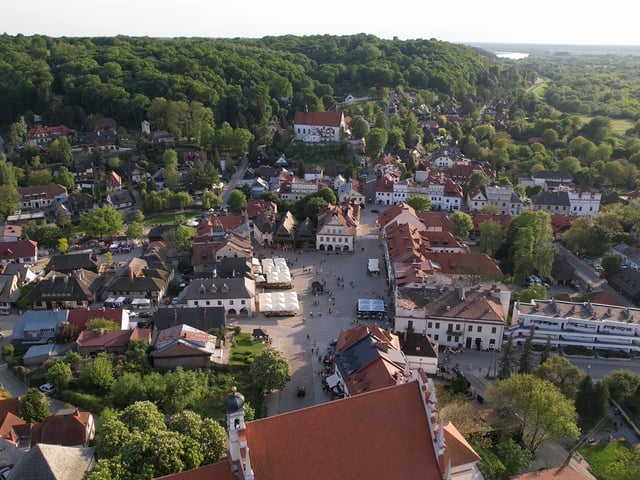 Kazimierz Dolny Kazimierz Dolny
Kazimierz Dolny is one of the most picturesque towns in Poland, located on the banks of the Vistula River. During the 16th and 17th centuries the town prospered as an important trading port where grain from the interior of the Polish–Lithuanian Commonwealth was shipped down the river toward the Baltic Sea.
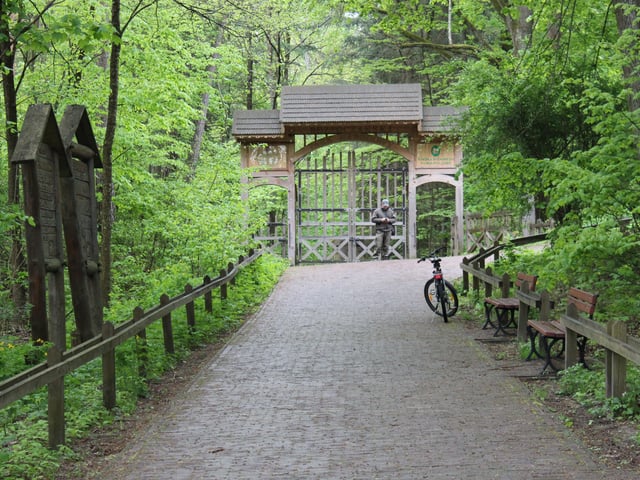 Roztocze National Park Roztocze
Roztocze National Park protects a landscape of gentle hills, forests, and river valleys in southeastern Poland. The region historically formed a natural border between different cultural and political spheres of Central and Eastern Europe.
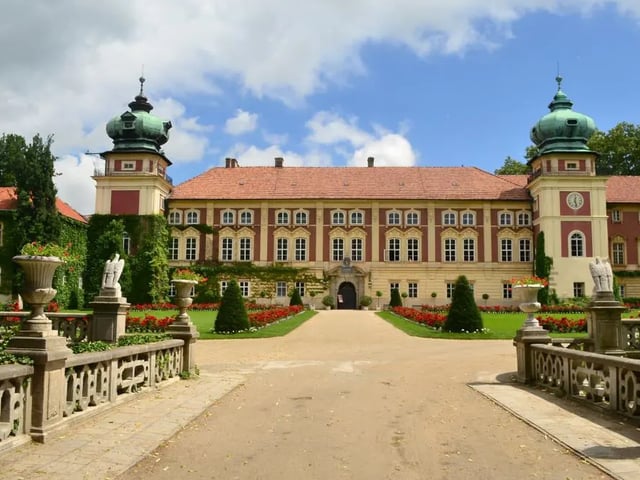 Łańcut Castle Łańcut
Łańcut Castle is one of the most impressive aristocratic residences in Poland. The castle was originally built in the 17th century and later transformed into a luxurious palace by the powerful Lubomirski and Potocki families. Over time the complex became famous for its refined interiors and extensive art collections.