
Photo 1 of 2
Terezín Memorial
- Czech Republic
- About 2 hours
- Historical
- WWII
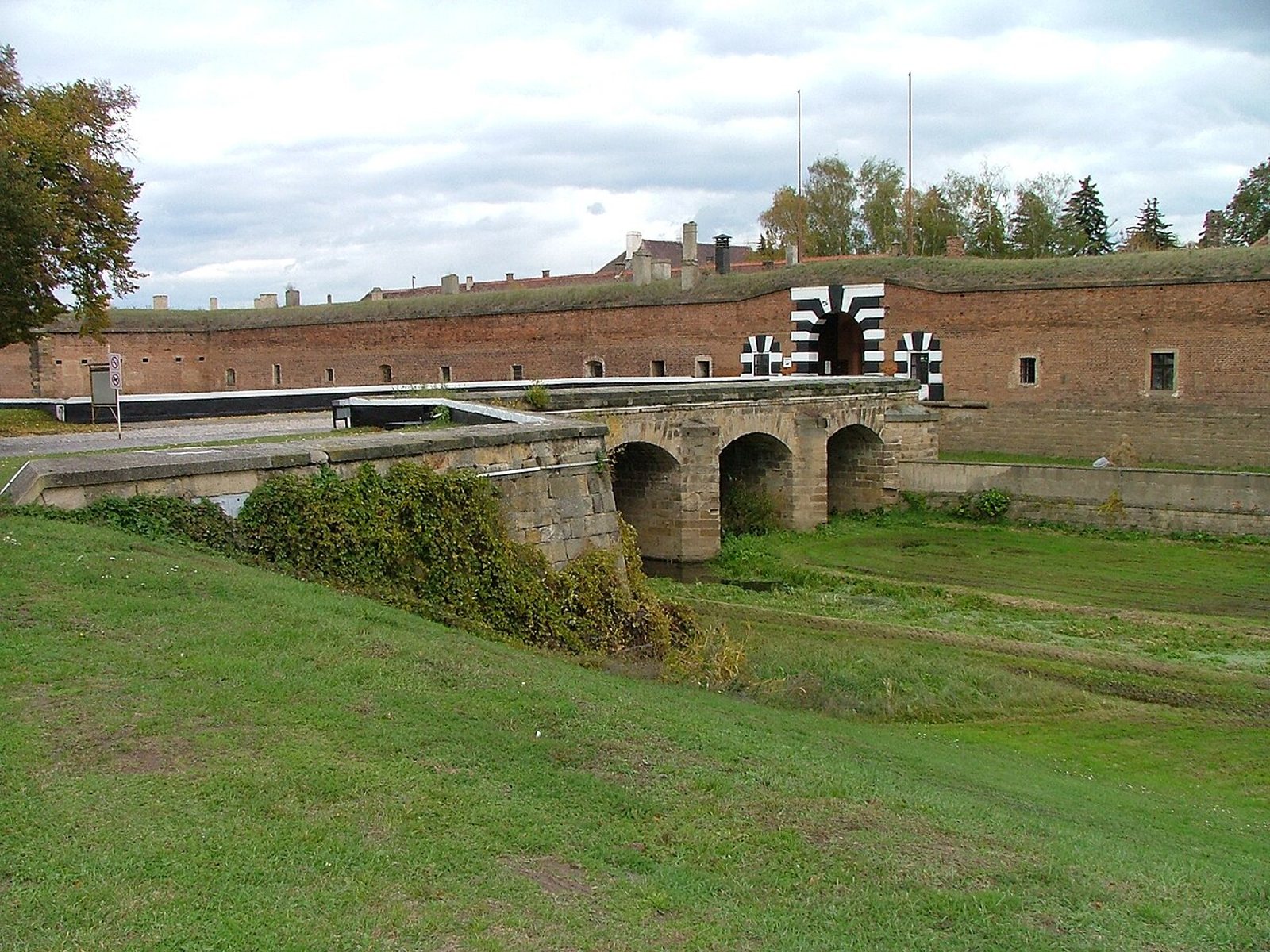
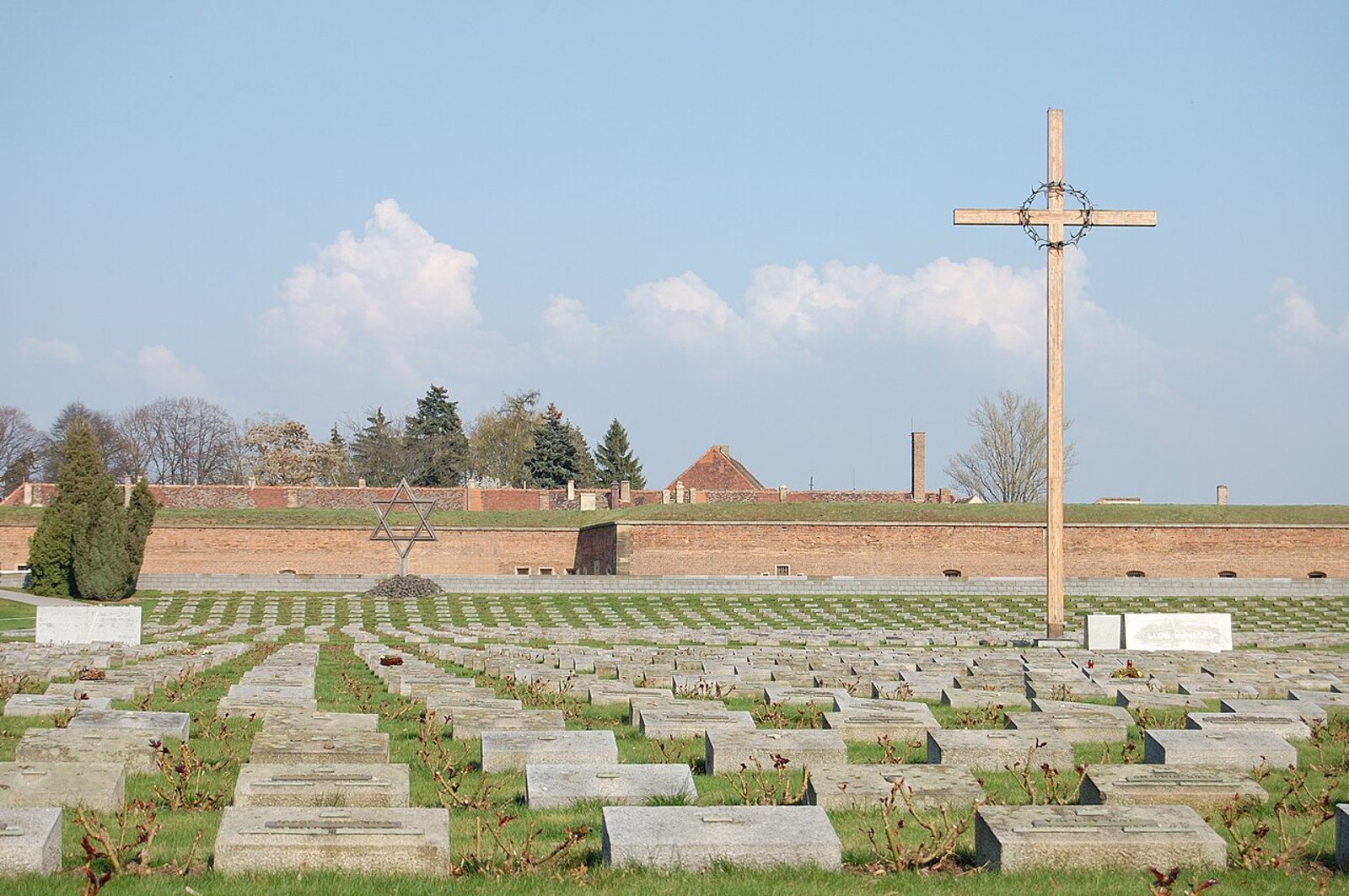
Terezín was built in the 1780s by Emperor Joseph II as a fortress against Prussian attacks and named in honor of his mother, Empress Maria Theresa. During the Second World War, the Nazis turned the Small Fortress into a Gestapo prison and the walled garrison town into a ghetto, through which well over a hundred thousand Jews passed. Tens of thousands died there, and many more were deported to extermination camps in the east.
Today the Terezín Memorial preserves the barracks, prison cells, and exhibitions that tell the story of those who suffered here, including the children and artists whose work survives. A visit is a serious and emotional experience, but also an important one for anyone who wants to understand the history of Central Europe.
Plan a journey around Terezín Memorial
Tell us what else you'd like to see. Your Tour Manager plans a private route around this place, at your pace, and looks after every detail.
More places nearby
 Bohemian Switzerland National Park Czech Republic
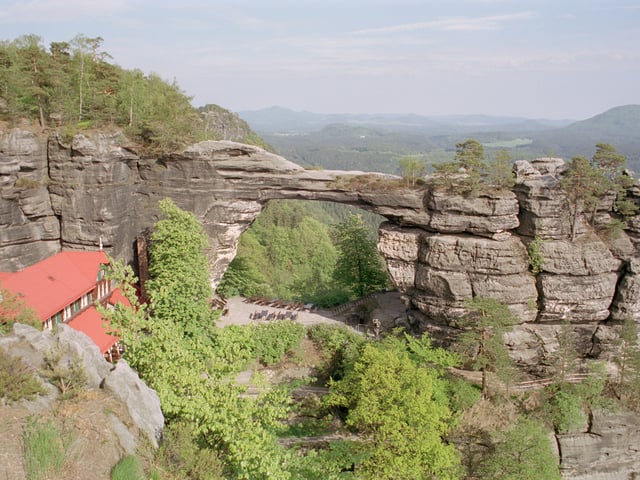
The sandstone landscape along the Czech-German border has been shaped over millions of years by wind and water into dramatic rock towers, deep gorges, and natural arches.
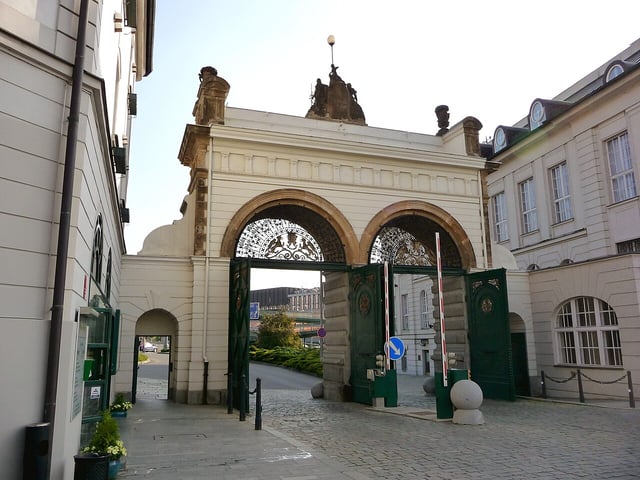 Plzeň and Pilsner Urquell Brewery Czech Republic
Plzeň was founded in 1295 by King Wenceslas II and grew into an important trading town on the road between Prague and Bavaria. In 1842, a Bavarian brewer named Josef Groll produced the first golden lager here, and the style, known as Pilsner, went on to conquer the world.
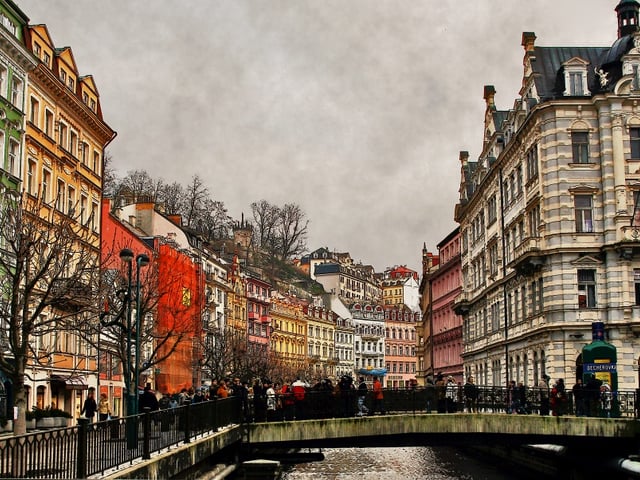 Karlovy Vary Czech Republic
According to legend, Charles IV discovered the first hot spring here in the 14th century while hunting, and he soon granted the settlement city rights and named it after himself.
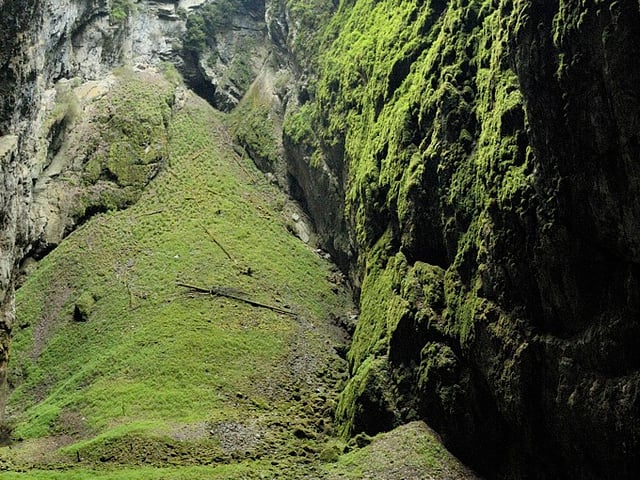 Moravian Karst and Macocha Abyss Czech Republic
The Moravian Karst is the largest cave system in the Czech Republic, formed over millions of years as underground rivers dissolved the limestone.
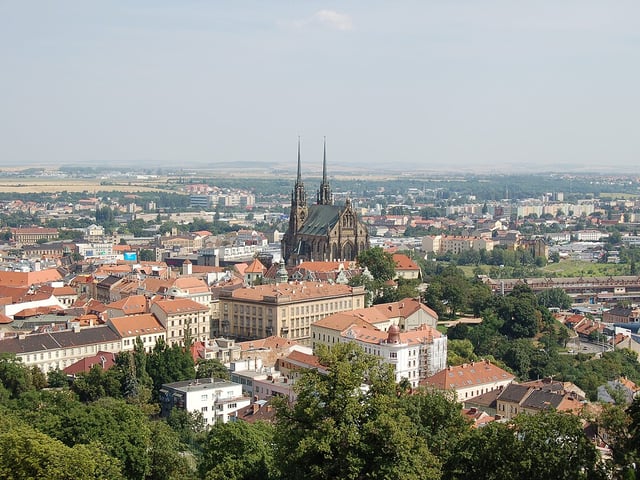 Brno Czech Republic
Brno, the capital of Moravia and the second largest city in the Czech Republic, has long been a meeting point of Czech, Austrian, and Jewish cultures. Its Špilberk Castle, founded in the 13th century, later became one of the most feared prisons of the Habsburg Empire.
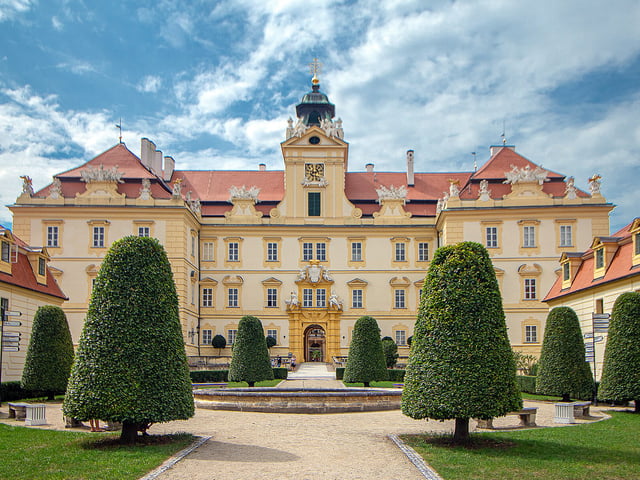 Lednice-Valtice Cultural Landscape Czech Republic
For more than 700 years, the Liechtenstein family ruled the lands of southern Moravia, and between the 17th and 20th centuries they transformed the area into a vast, carefully designed landscape of palaces, parks, ponds, and decorative pavilions.